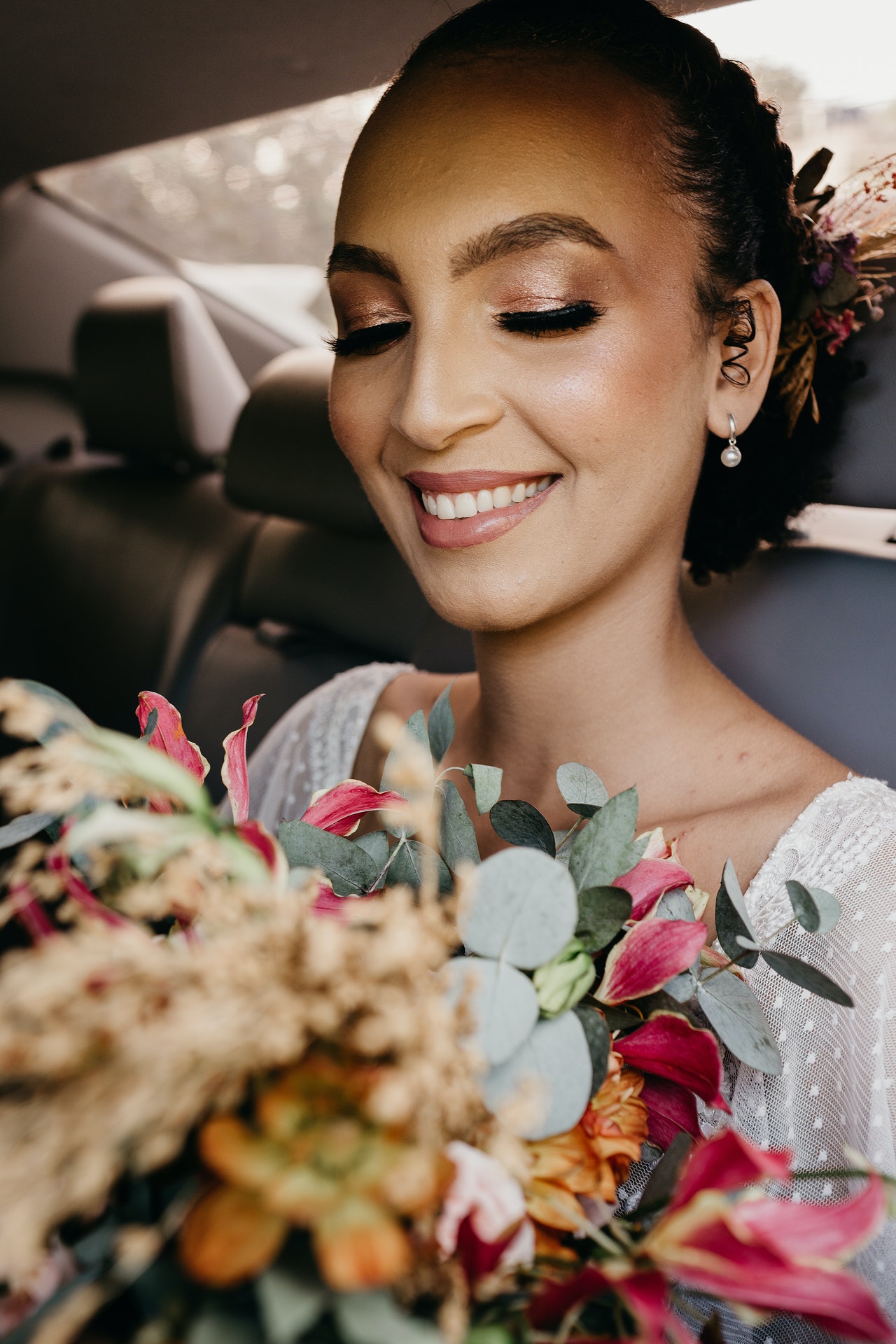
Bridal makeup is the specialisation that defines the careers of a large proportion of Canada’s working makeup artists. The demand is consistent, the work is emotionally significant and personally rewarding, and the income potential for a well-established bridal MUA with a full wedding season is among the most attractive in the beauty industry.
But bridal makeup is also one of the most technically and professionally demanding specialisations a makeup artist can pursue. The stakes are high — a bride’s wedding day photographs are permanent, and the makeup she wears in those images will be looked at for decades. This guide covers what a bridal makeup artist course actually teaches, what Canadian brides expect from their MUA, how bridal pricing and packages work, and how to build a thriving wedding season from the ground up.
What a Bridal Makeup Artist Course Covers
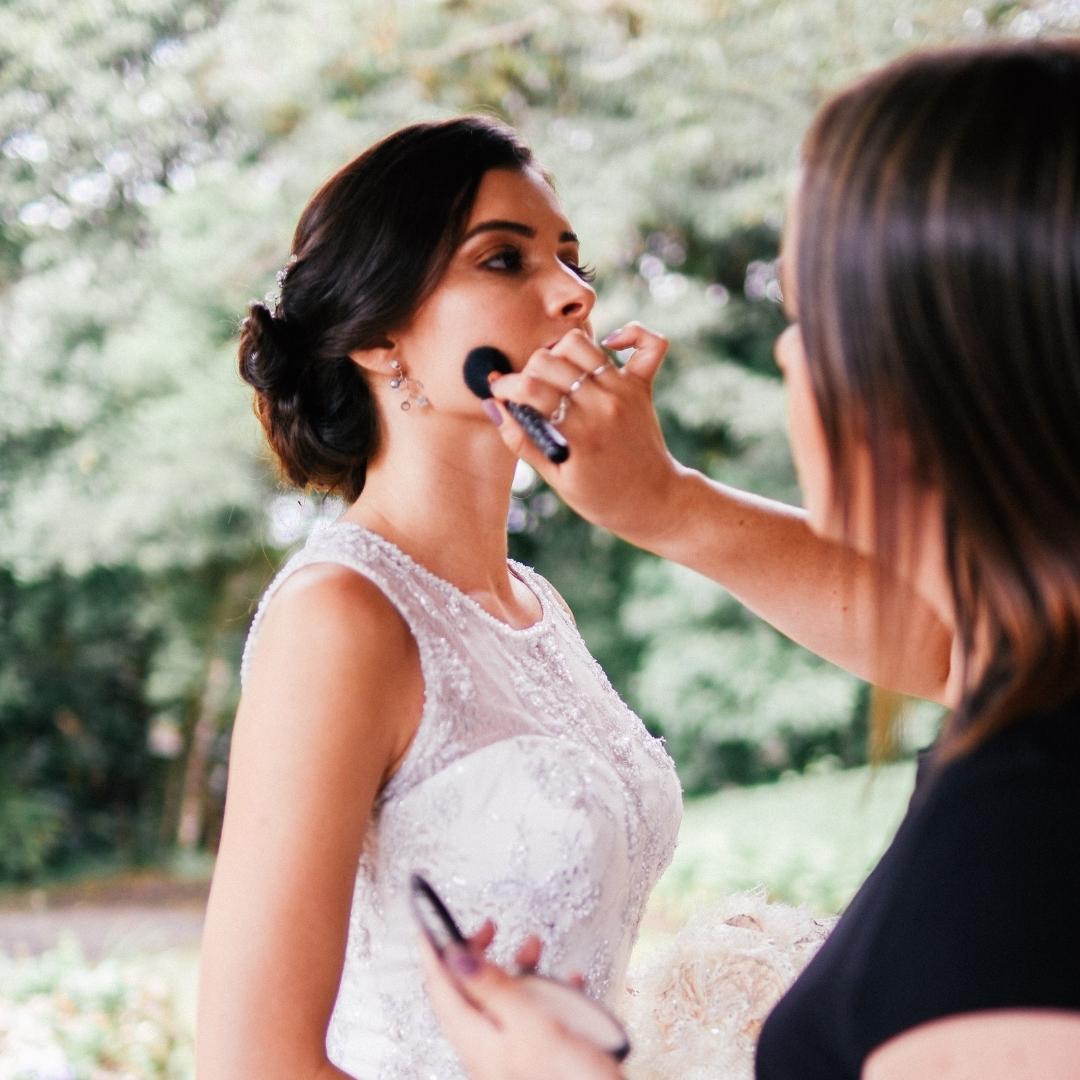
A quality bridal makeup artist course goes well beyond basic application technique. Bridal makeup has specific requirements that distinguish it meaningfully from everyday or evening makeup: it must look flawless in person and photograph equally well across all lighting conditions, from bright outdoor noon light to dim church interiors and flash-heavy reception venues. It must last for eight to twelve hours without significant touch-up — tears, sweat, humidity, and embraces all test the longevity of bridal work in ways that regular event makeup does not face.
The technical curriculum of a bridal course covers skin preparation and priming, foundation matching and application for long wear, colour correcting for various skin concerns, setting techniques that lock makeup in place without flashback in photography, eye looks ranging from natural and romantic to dramatic and editorial, contouring and highlighting appropriate for photography, and lip techniques with specific attention to long-wear formulations.
Critically, a quality bridal course also teaches the consultation process specific to bridal bookings — understanding the bride’s vision through mood boards and reference images, managing expectations around what makeup can and cannot do, selecting looks that complement the wedding’s overall aesthetic, and navigating the group dynamics of bridal party bookings where multiple clients with different preferences need to be served in a single booking.
The Bridal Trial: Why It Matters
The bridal trial — a separate appointment booked weeks or months before the wedding day — is an essential part of professional bridal makeup service and distinguishes experienced bridal MUAs from general makeup artists offering wedding day bookings without this step.
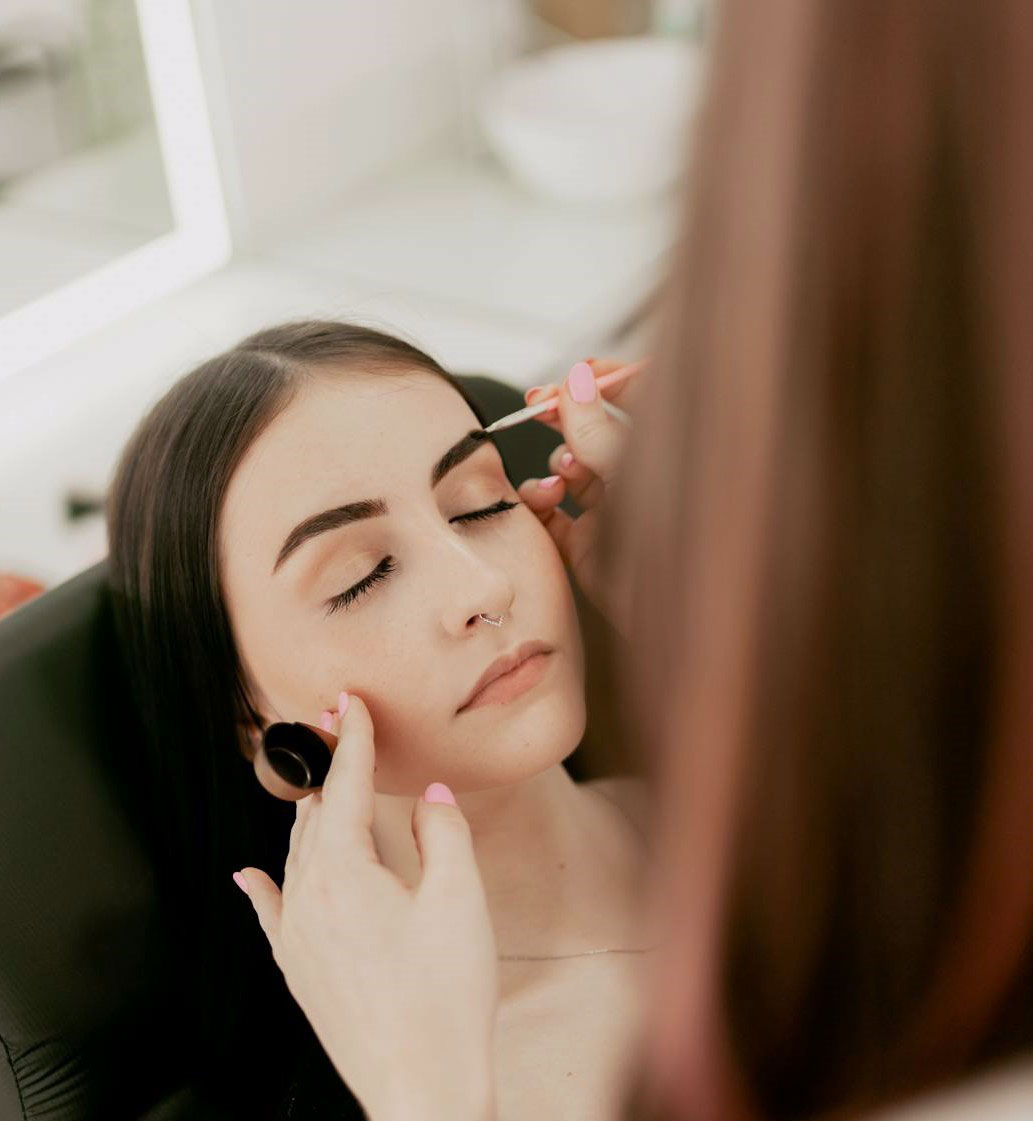
During the trial, you recreate the intended wedding day look under conditions that approximate the wedding: the bride’s hair is styled appropriately, her dress (or a similar silhouette) is on. You take reference photographs under various lighting conditions to assess how the makeup reads on camera. Both you and the bride use the trial to identify what works, what needs adjustment, and what the exact plan for the wedding morning will be.
Brides who book with MUAs who offer trials are significantly more likely to rebook for future events, refer friends and family, and leave positive reviews. The trial is not a formality — it is a professional service that protects both parties and produces better outcomes on the day.
Bridal Package Structure and Pricing
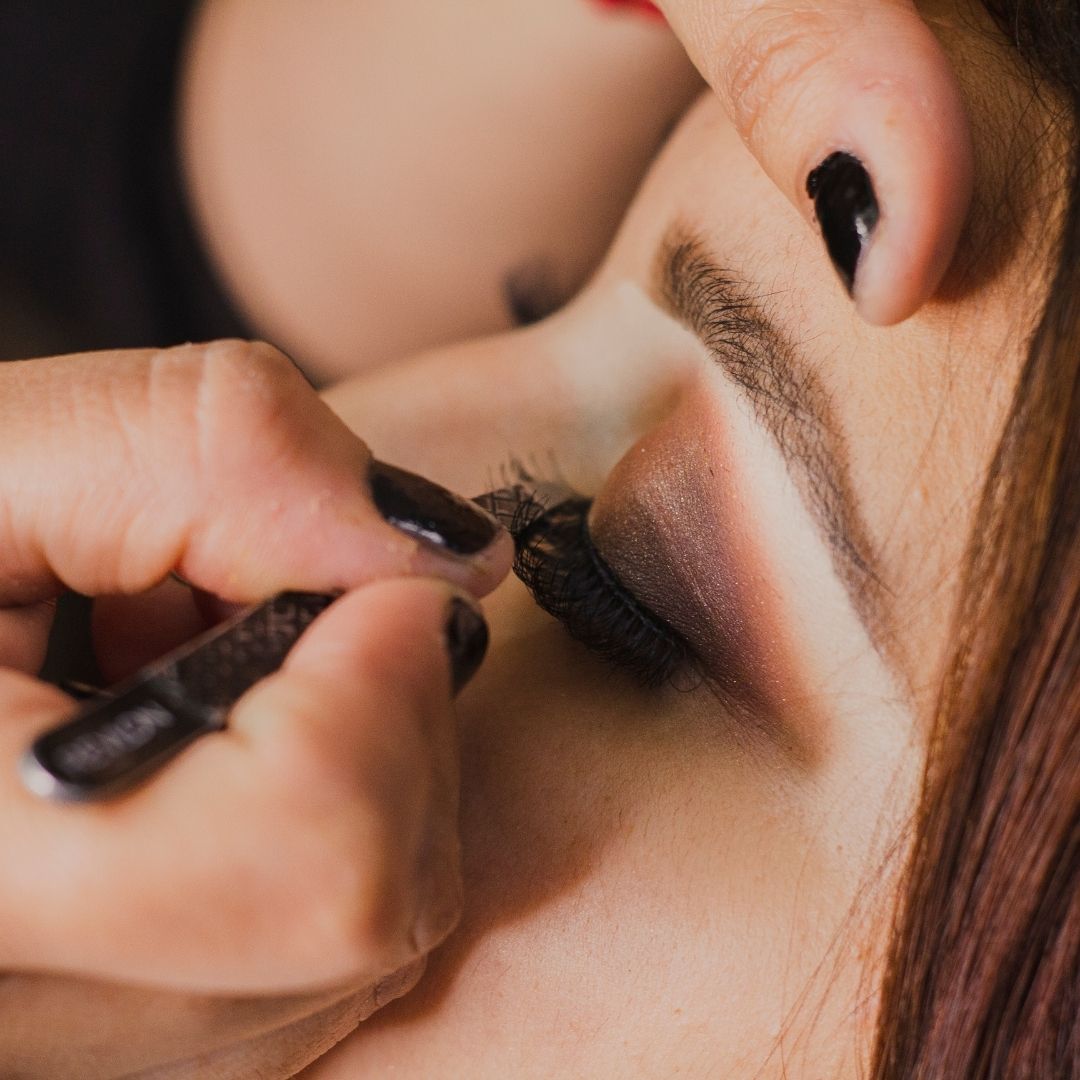
Most professional bridal MUAs in Canada offer packages that bundle the trial, bride’s wedding day makeup, and bridal party services. A standard package structure might include: trial + bride only; trial + bride + bridesmaid price per person; or a full party package that is priced at a day rate for a specified number of people.
In major Canadian markets, standard bridal package pricing (trial + bride) starts at $350 to $500. Adding bridesmaid services at $80 to $120 per person is standard. A bride with four bridesmaids represents a full package value of $700 to $1,000 or more from a single booking. Fully booked wedding seasons in the GTA represent $25,000 to $45,000 or more in seasonal bridal revenue alone — not including trial appointments, hair extensions, or off-season bookings.
Building a Bridal Client Pipeline
Bridal clients begin their makeup artist search between six months and two years before their wedding date. This long lead time means your marketing needs to be consistently active throughout the year, not just when you have capacity. Brides who enquire and find your calendar full will not wait — they will book someone else.
The most effective channels for bridal MUA marketing in Canada are Instagram (primarily), wedding planning platforms (The Knot Canada, WeddingWire Canada, and Zola have established Canadian audiences), styled shoot participation, and relationships with wedding planners, photographers, and venues who can refer clients. A strong relationship with even two or three reliable referral partners — photographers who recommend you to every client asking about makeup, wedding planners who include you on their vendor lists — can generate a substantial fraction of your wedding season bookings.
What Brides Actually Want: Managing Expectations
The most common client management challenge in bridal work is managing the gap between what a bride has seen on Pinterest and what is achievable given her skin type, features, and the practical constraints of a wedding morning with multiple people to serve in a limited time.
The consultation and trial process is your opportunity to manage these expectations professionally. Reference images are starting points for conversation, not instructions. Your job is to understand what the bride loves about her reference images — is it the skin finish? The eye shape? The lip colour? — and then translate that into a look that actually works for her specific features, in her specific setting, and lasts through her specific wedding day timeline.
Our Makeup Artist course includes dedicated bridal makeup modules covering all of the above. For a broader view of makeup career options and earnings, read our makeup artist salary guide. And for inspiration on the looks currently defining Canadian bridal aesthetics, our wedding makeup ideas guide covers five complete bridal looks with professional commentary.