Facial treatments are among the most consistently demanded services in Canada’s beauty industry. Unlike trend-driven treatments that fluctuate with fashion cycles, facials occupy a fundamental place in client wellness and skin health routines — demand is stable, client retention is high, and the service lends itself naturally to recurring appointments. For beauty professionals looking to build a reliable, income-generating service offering, facial training is one of the most sound investments available.
This guide covers what a professional facial course in Canada actually teaches, with particular focus on the skin analysis component that separates true professional practice from surface-level application, how facial careers work across different settings, and what income looks like for qualified facial therapists in Canada.
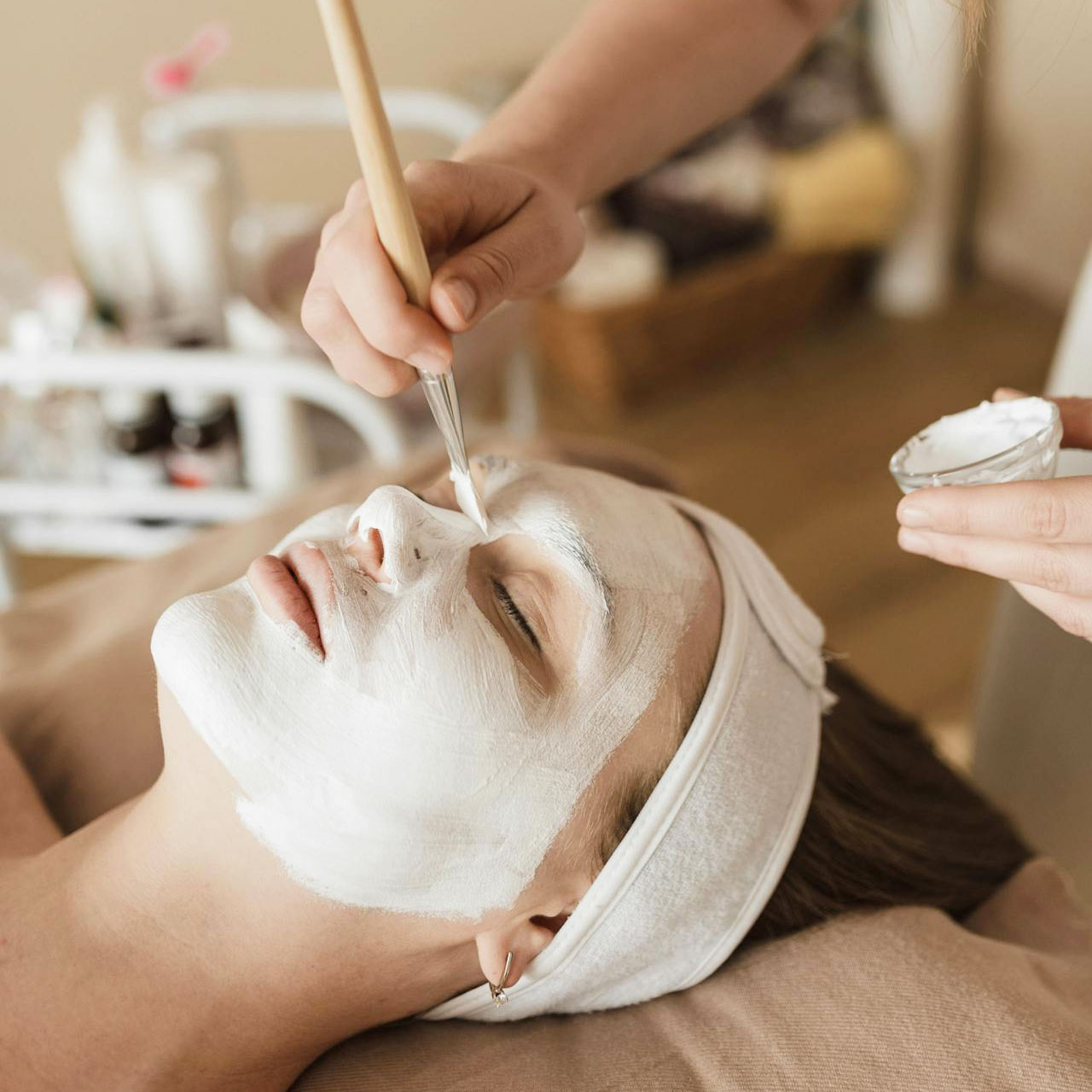
What a Professional Facial Course Covers
A comprehensive facial course is built around two core competencies: understanding the skin you are working on, and delivering safe, effective treatments tailored to that skin’s specific needs. Neither skill exists in isolation — the ability to assess is only useful if paired with technical treatment skill, and technical skill without assessment produces generic results that fail to address the client’s actual concerns.
The foundational module of any quality facial course is skin anatomy and physiology: the structures of the skin, the function of each layer, the mechanisms of common skin conditions (acne, dehydration, hyperpigmentation, sensitivity, premature ageing), and the factors that influence skin health from internal biology to environmental exposure. This is not background reading — it is the framework that all treatment decisions depend on.
Skin analysis training — how to visually and tactilely assess a client’s skin type, condition, and concerns — is one of the most differentiated skills a facial therapist develops. Understanding the difference between dehydrated oily skin and simply oily skin, for example, is critical: the products used and the treatment protocol are meaningfully different, and applying the wrong approach produces poor outcomes and unhappy clients.
The Skin Analysis Process
Professional skin analysis typically begins before any products are applied, on freshly cleansed skin. The facial therapist assesses oil production, hydration levels, texture, visible pores, sensitivity indicators, pigmentation, and any breakout activity. Magnification tools (a loupe or magnifying lamp) allow detailed assessment of skin texture and pore condition that is not visible to the naked eye.
During analysis, the therapist is also conducting a consultation — understanding the client’s skincare history, current product use, lifestyle factors (stress, diet, sleep, sun exposure), and what their primary skin concern is. A client who presents with breakouts but is using a highly stripping cleaner may need routine correction as much as treatment; a client with dehydration lines may be ageing prematurely from sun exposure or insufficient moisturisation.
The analysis informs the treatment plan: which products are appropriate, which techniques will be used, which add-on services might be recommended, and what home care advice should be given post-treatment. A therapist who skips proper analysis applies a generic treatment that may or may not benefit the specific client — the difference between professional service and an expensive cleanse.
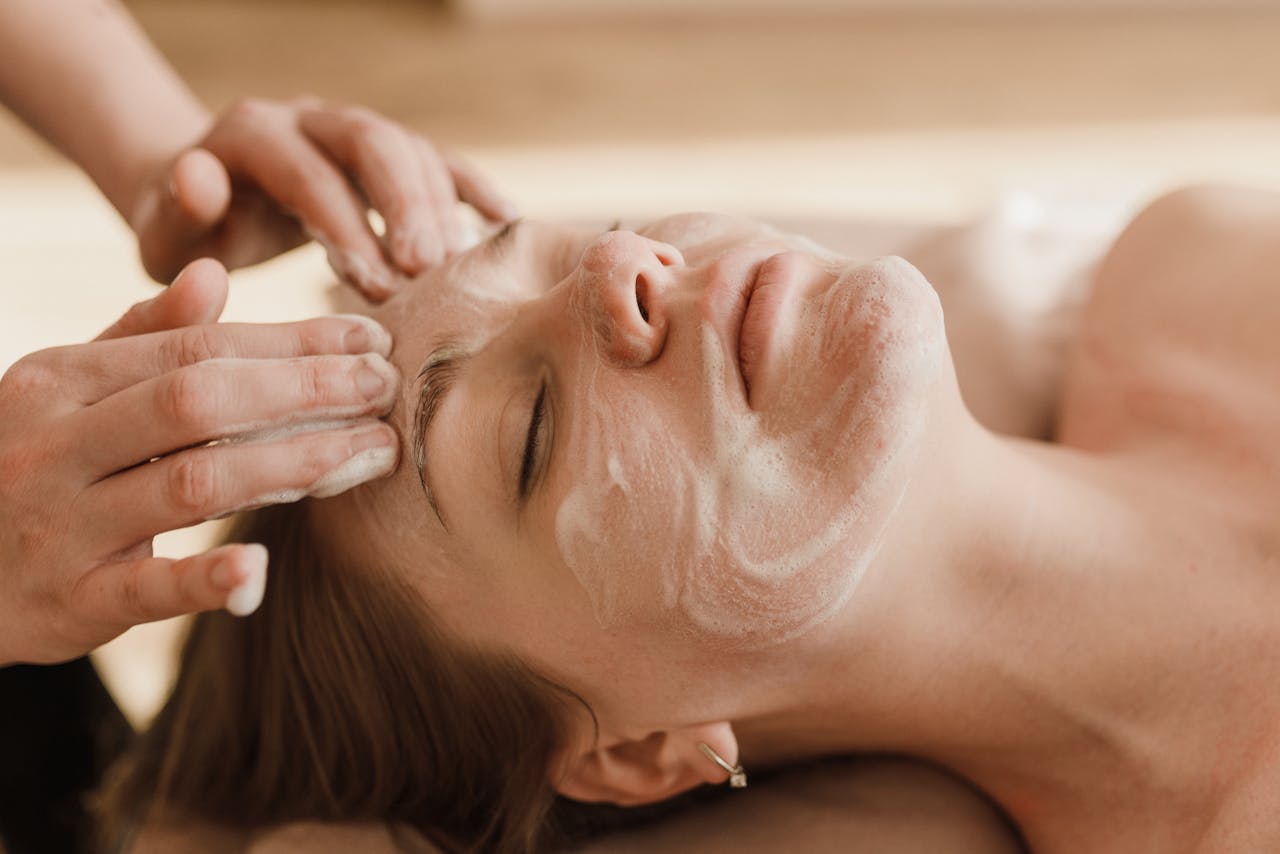
Facial Treatment Techniques and Technologies
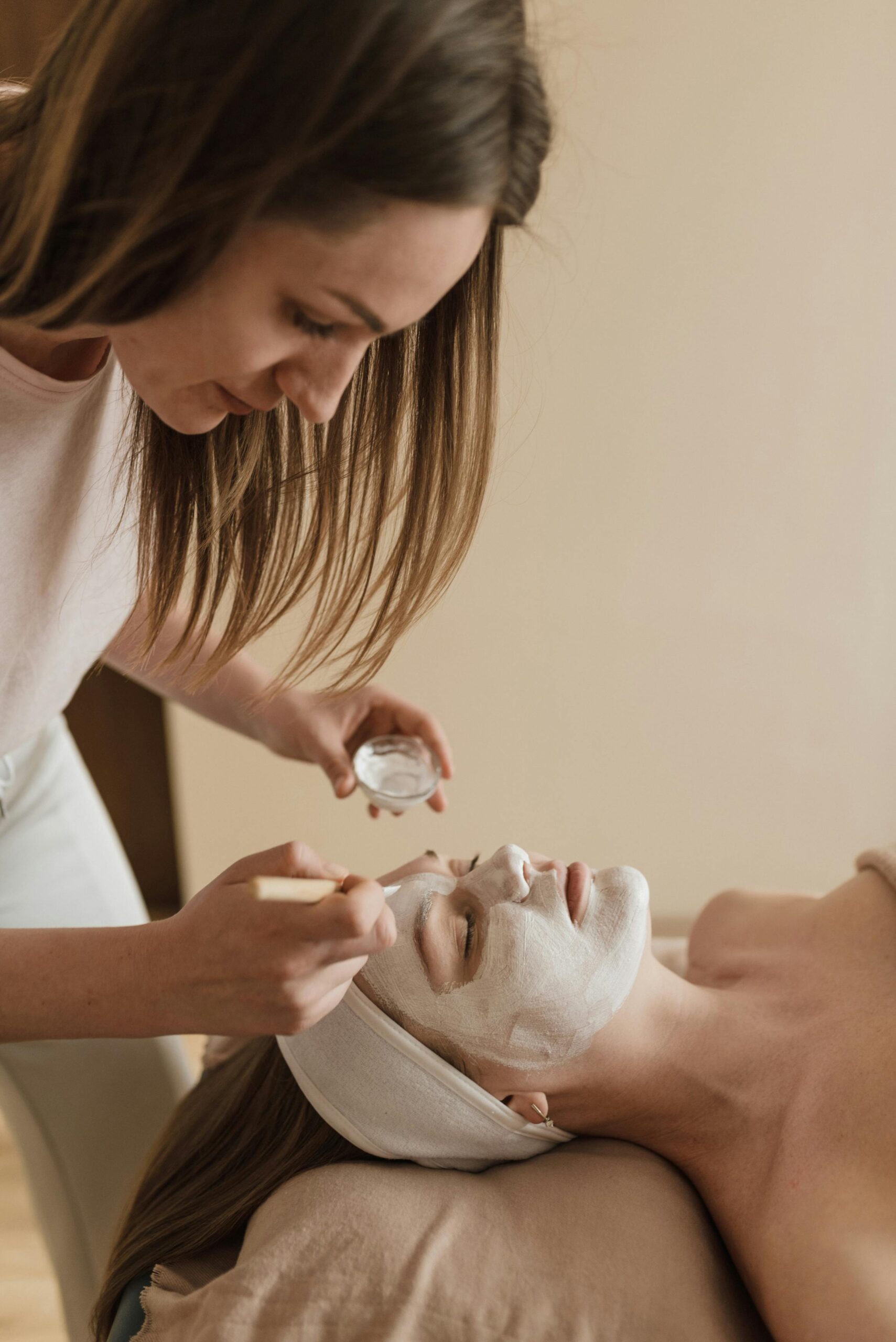
A comprehensive facial course covers manual techniques — cleansing, exfoliation (mechanical and chemical), extractions, massage, masking, and finishing — alongside an introduction to technology-assisted treatments that have become increasingly standard in professional facial service menus.
LED light therapy has become one of the most widely offered technology-based facial treatments in Canada. Red LED is primarily used for anti-ageing and collagen stimulation; blue LED for its antibacterial effect in acne treatment; near-infrared for deeper tissue healing. The treatment requires no post-treatment recovery and can be layered onto any facial service, making it an accessible upgrade option that meaningfully increases appointment value.
Dermaplaning — physical exfoliation using a sterile scalpel-grade blade across the skin surface — removes dead skin cell accumulation and fine vellus hair, producing an immediately visible luminosity and smoothness that clients find striking. It pairs exceptionally well with other facial treatments and with makeup application, as products apply and adhere more effectively to the prepared skin surface.
Career Paths After a Facial Course
Qualified facial therapists in Canada work across several settings. Day spas and skincare clinics offer employed positions with consistent client flow and access to advanced equipment. Medical spas and dermatologist practices offer roles at the more clinical end of the facial spectrum, often involving LED therapy, chemical peels, and microdermabrasion alongside manual treatments.
Many facial therapists work from private studios or home treatment rooms, building an intimate, personalised client experience that commands premium pricing — particularly in markets where large spas feel impersonal or inaccessible. A facial therapist with a loyal client base of 30 to 50 regular clients, each booking monthly, can generate a very comfortable full-time income from a single-chair studio.
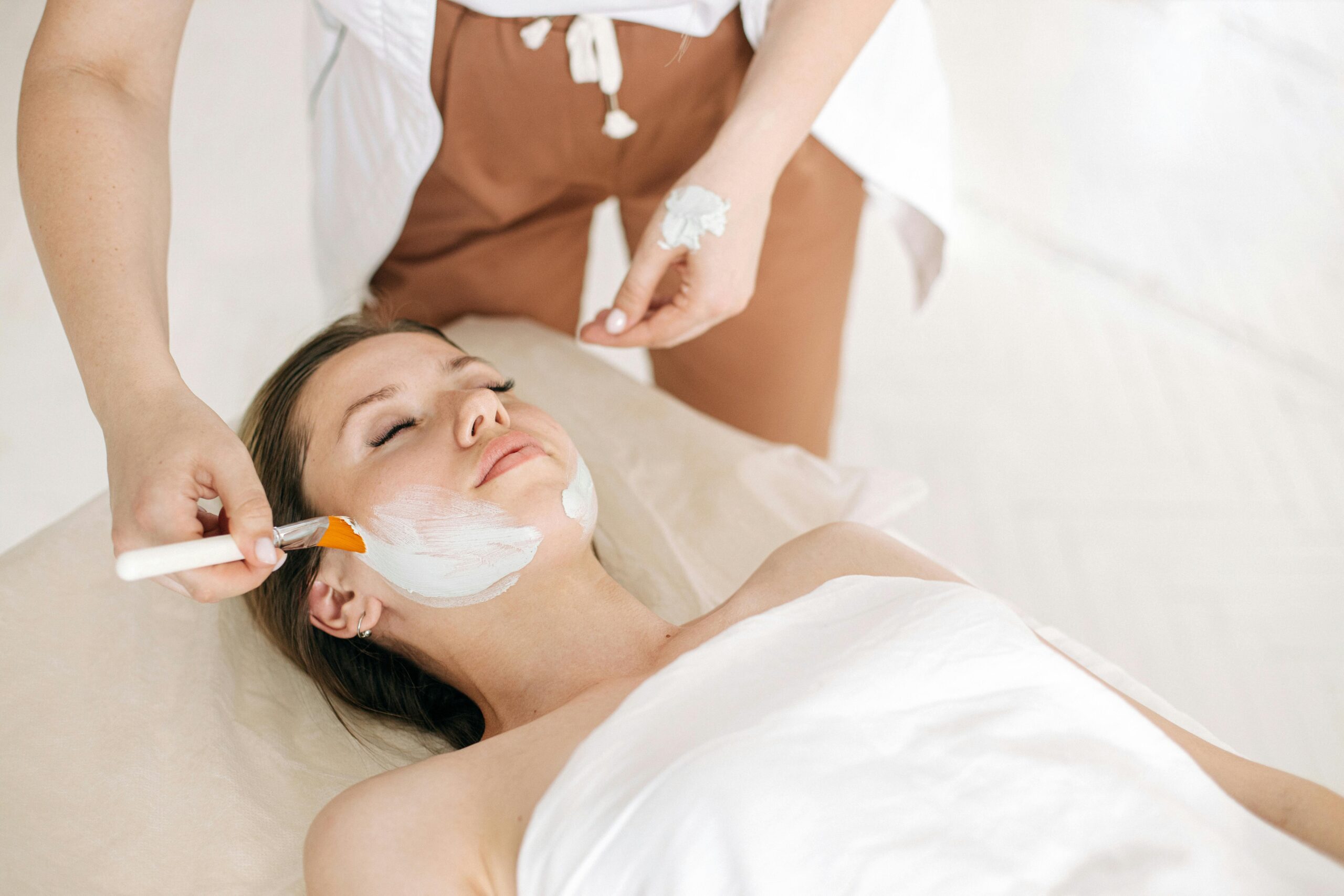
What Facial Therapists Earn in Canada
Employed facial therapists in Canadian spas and clinics typically earn between $35,000 and $52,000 annually, with tips adding meaningfully to client-facing roles. Self-employed therapists with established books can earn $55,000 to $80,000 depending on pricing, treatment frequency, and add-on service menu.
Premium facial services — particularly LED therapy, dermaplaning, and advanced chemical exfoliation — command significantly higher prices than basic facials. Building a menu that includes these treatments positions a facial therapist to achieve higher average booking values and stronger hourly income than general facial services alone would produce.
Our Certificate in Facials covers skin analysis, treatment protocols, and business training in a comprehensive online curriculum. For context on high-demand individual treatments, our guides on dermaplaning and LED light therapy provide excellent background reading.