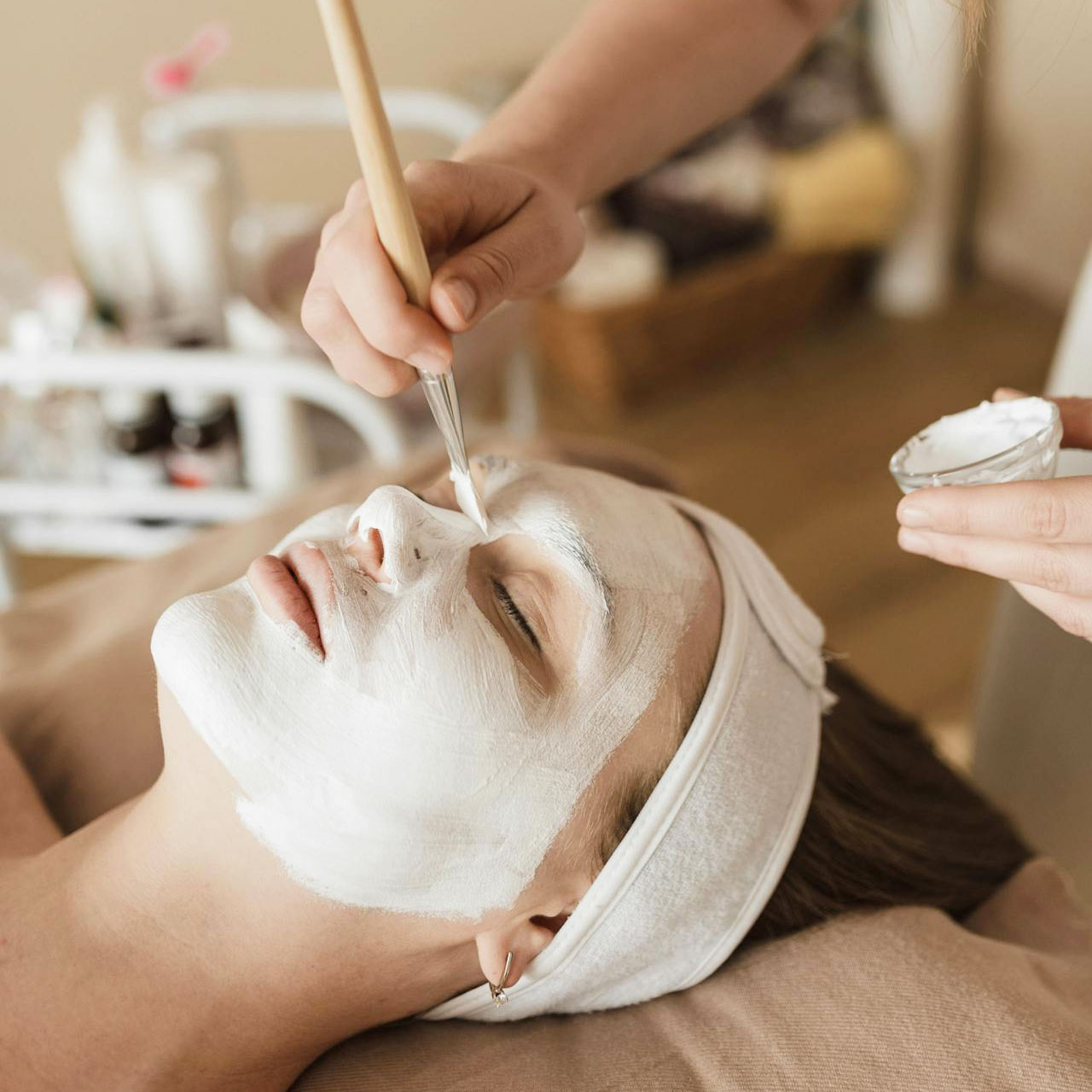
Dermaplaning has surged in popularity as clients discover this manual exfoliation technique that removes dead skin cells and vellus hair (peach fuzz) for incredibly smooth, glowing skin. The treatment delivers immediately visible results that clients love—making it one of the most satisfying services to perform and receive.
Understanding dermaplaning technique, benefits, and client suitability allows you to offer this high-demand service confidently. The treatment’s dramatic before-and-after potential and minimal downtime make it a standout addition to any facial menu. According to industry data, skincare treatments including dermaplaning continue growing in popularity across Canadian salons.
At Canadian Beauty School, our beauty courses teach fundamental skincare techniques that support advanced facial services like dermaplaning.
What Is Dermaplaning?
The Treatment Explained
Dermaplaning is a manual exfoliation technique using a sterile surgical blade (usually a #10 blade) to gently scrape the skin’s surface. This removes the top layer of dead skin cells (stratum corneum) along with fine vellus hair, revealing smoother, brighter skin underneath.
What It Is: Manual exfoliation using a blade, removes dead skin cells, removes vellus hair (peach fuzz), creates smooth canvas, no chemicals involved.
What It Isn’t: Shaving (different angle, pressure, blade), painful or uncomfortable, a treatment that causes hair to grow back thicker.
How Dermaplaning Works
A sterile blade is held at a 45-degree angle to the skin and stroked in short, feathering motions. The blade gently scrapes away dead skin cells and fine hairs without cutting or damaging healthy skin.
Immediate Results: Smoother skin texture, brighter and more radiant complexion, softer skin feel, better makeup application, and enhanced product absorption.
Benefits of Dermaplaning
For Client Skin
Immediate Benefits: Instantly smoother texture, brighter and more even complexion, soft, baby-smooth feel, and radiant glow.
Ongoing Benefits: Improved product penetration, better makeup application and wear, stimulated cell turnover, reduced appearance of fine lines, and clearer, more refined skin.
Client Experience
Why Clients Love It: Visible immediate results, no downtime, relaxing treatment, no chemicals or irritation, and smooth makeup application afterward.
Common Myths Debunked
“Hair grows back thicker”: False. Vellus hair is not affected by cutting—it grows back the same texture and colour. This myth confuses vellus hair with terminal hair.
“It’s the same as shaving”: False. Dermaplaning uses a different blade, angle, and technique. It’s a professional exfoliation treatment, not hair removal.
“It hurts”: False. When performed correctly, dermaplaning feels like gentle scratching. Most clients find it relaxing.
Client Suitability
Ideal Candidates
Dermaplaning works well for clients wanting smoother skin texture, those with dull or dry skin, clients preparing for special events, those wanting better makeup application, and clients who can’t tolerate chemical exfoliation.
Contraindications
Do Not Dermaplane: Active acne or pustules, inflamed rosacea, eczema or psoriasis flares, sunburned skin, recent chemical peels or laser treatments, blood thinning medications, and active cold sores.
Proceed with Caution: Sensitive skin (lighter pressure), mild acne (avoid affected areas), and very oily skin (may not hold blade grip well).
Consultation Essentials
Assess skin condition before treatment. Ask about recent treatments, skin conditions, and medications. Explain the process and set realistic expectations. Ensure client understands aftercare requirements.
Dermaplaning Technique
Preparation
Cleanse skin thoroughly to remove all makeup and debris. Ensure skin is completely dry—moisture prevents proper blade contact. Position client comfortably with good lighting on the treatment area.
Application Method
Skin Tension: Use non-dominant hand to hold skin taut. Proper tension is essential for safe, effective treatment.
Blade Angle: Hold blade at 45-degree angle to skin surface. Too steep risks nicks; too shallow won’t exfoliate effectively.
Stroke Pattern: Use short, feathering strokes (approximately 1-2cm). Work systematically across each facial zone. Wipe blade frequently to remove debris.
Pressure: Light, consistent pressure. Let the blade do the work—forcing causes irritation or cuts.
Direction: Work in direction of hair growth for most areas. Adjust angle for facial contours.
Treatment Zones
Forehead: Horizontal strokes, working downward from hairline.
Cheeks: Downward and outward strokes following facial contours.
Chin and Jawline: Careful attention to curves; adjust angle as needed.
Upper Lip: Gentle strokes; sensitive area requiring light pressure.
Nose: Very light strokes if treating; many technicians avoid this area.
Post-Treatment
Apply soothing serum or hydrating treatment. Follow with appropriate moisturiser. Apply SPF for daytime appointments. Provide aftercare instructions.
Aftercare Guidelines
Client Instructions
Immediate Aftercare (24-48 hours): Avoid direct sun exposure, skip active ingredients (retinol, acids, vitamin C), no makeup for several hours if possible, avoid excessive sweating, and don’t touch face unnecessarily.
Ongoing Care: Use gentle, hydrating products for a few days, apply SPF religiously, avoid harsh exfoliation for one week, and stay hydrated.
Managing Expectations
Explain that slight redness immediately post-treatment is normal and subsides within hours. Skin may feel slightly sensitive for a day or two. Full smoothness and glow develops over 24-48 hours. Results last 3-4 weeks before regrowth and buildup return.
Pricing Dermaplaning Services
Canadian Market Rates
| Service | Price Range (CAD) |
|---|---|
| Dermaplaning Standalone | $75-$125 |
| Dermaplaning + Facial | $130-$195 |
| Dermaplaning + Chemical Peel | $145-$210 |
| Monthly Dermaplaning Package (3 sessions) | $195-$320 |
Prices vary by province and city, with higher rates typical in major urban centres like Toronto, Vancouver, and Calgary.
Service Combinations
Dermaplaning pairs well with hydrating facials (enhanced product absorption), chemical peels (deeper penetration after exfoliation), LED therapy (better light penetration), and sheet masks (increased efficacy).
Safety Considerations
Blade Safety
Always use sterile, single-use blades. Never reuse blades between clients. Dispose of blades properly in sharps container. Handle blades with care—they are surgical instruments.
Hygiene Protocols
Sanitise hands and wear gloves. Cleanse treatment area thoroughly. Use clean implements and products. Follow proper sanitation protocols between clients.
When to Stop
If you notice excessive redness or irritation, any bleeding, client discomfort, or skin conditions you missed in consultation, stop the treatment and assess before continuing.
Building Dermaplaning Expertise
Training Requirements
Dermaplaning requires proper training for safety and efficacy. Learn correct blade handling, pressure, and angles. Understand contraindications and complications. Practice extensively before charging clients.
Skill Development
Start with training on practice materials. Progress to supervised treatments on models. Build confidence before offering to paying clients. Continue education as techniques evolve.
At Canadian Beauty School, our beauty courses provide skincare foundations that support advanced treatments. Strong fundamentals ensure safe, effective dermaplaning.
Ready to offer the smooth skin treatment clients love? Our beauty courses teach skincare fundamentals that support advanced techniques like dermaplaning. Build your expertise in skin analysis, treatment protocols, and client care. Explore our courses today and expand your service menu.