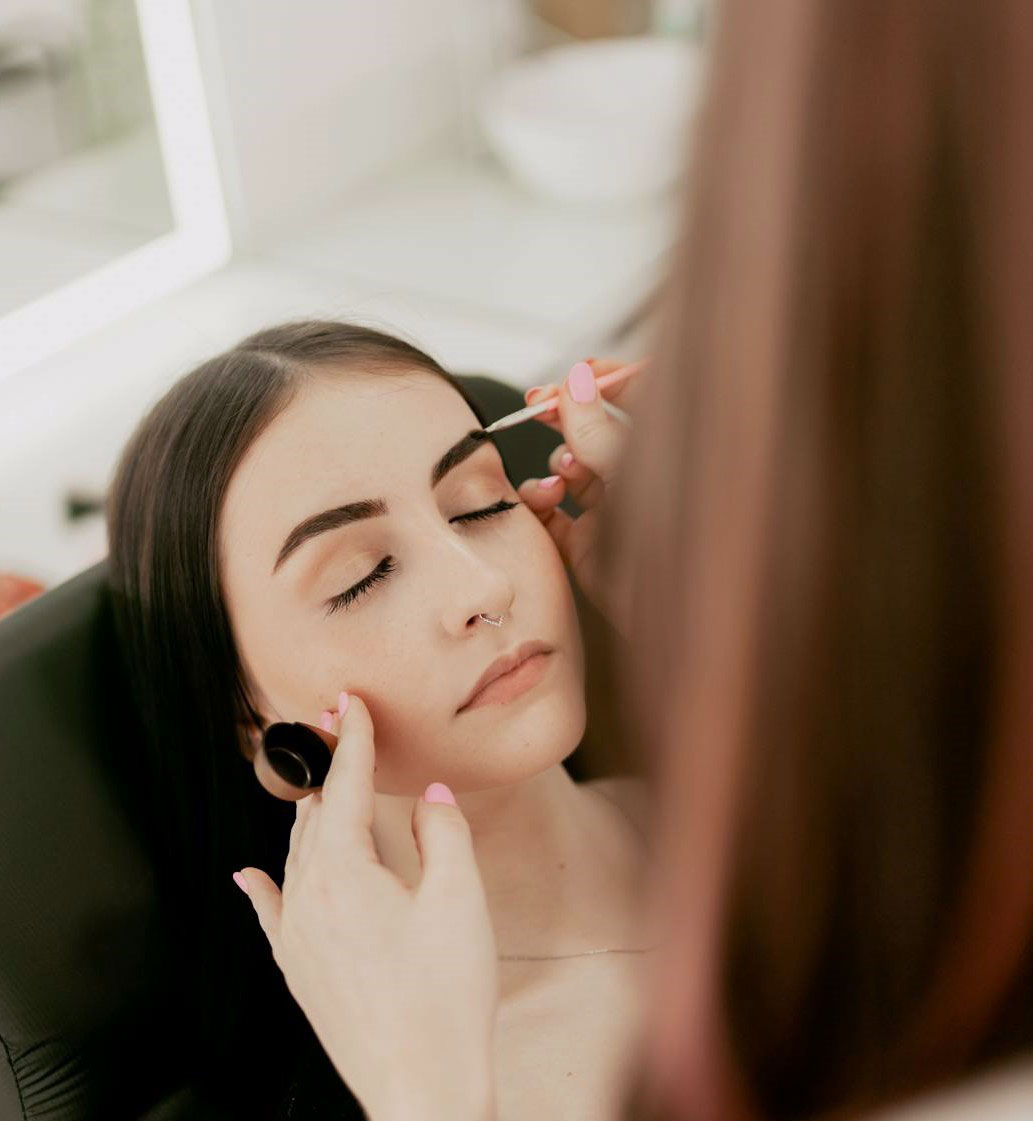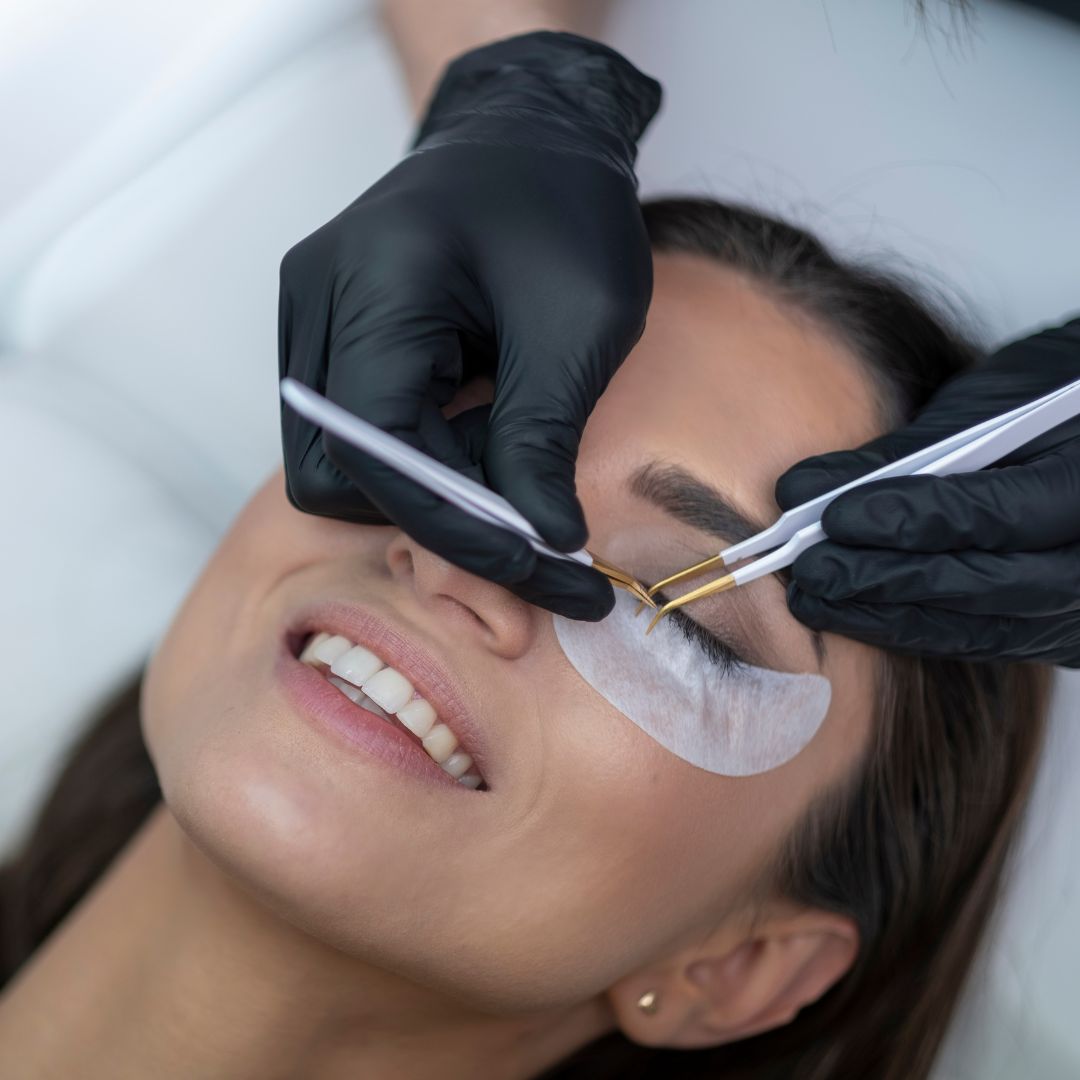
Becoming a lash technician in Canada is one of the most accessible routes into the beauty industry. Unlike cosmetology programs that take one to two years and cost tens of thousands of dollars, lash tech training can be completed online at your own pace, with a full professional kit included. The result is a certification and a practical skillset that allows you to start taking paying clients in a relatively short timeframe.
That said, accessible does not mean effortless. Building a sustainable lash career — one where clients rebook consistently, refer friends, and pay professional rates — requires the right training, a clear business foundation, and a genuine commitment to continuous improvement. This guide walks you through every step from first decision to first paying client.
Step 1: Understand Your Specialisation Options
The term ‘lash technician’ covers a wider range of services than many beginners realise. Before enrolling in any course, it is worth understanding the main lash treatments available — both so you can choose the right training and so you can communicate your services clearly to future clients.
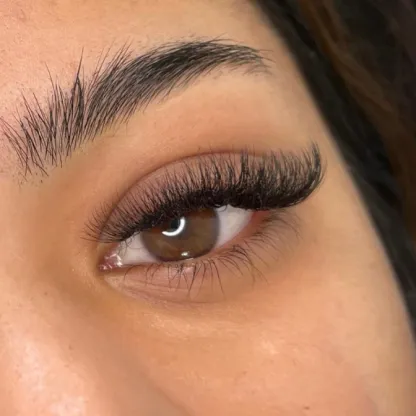
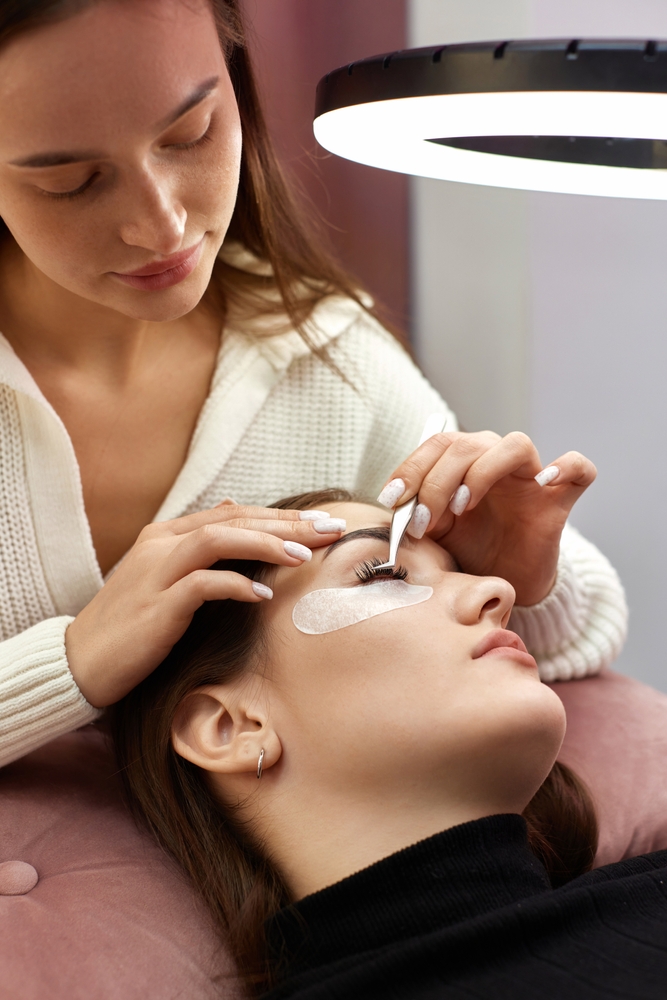
Lash extensions involve applying individual synthetic fibres to the natural lashes to add length, curl, and fullness. They require infill appointments every two to three weeks as natural lashes shed. Classic, volume, and hybrid are the main application styles, each with a different look and price point.
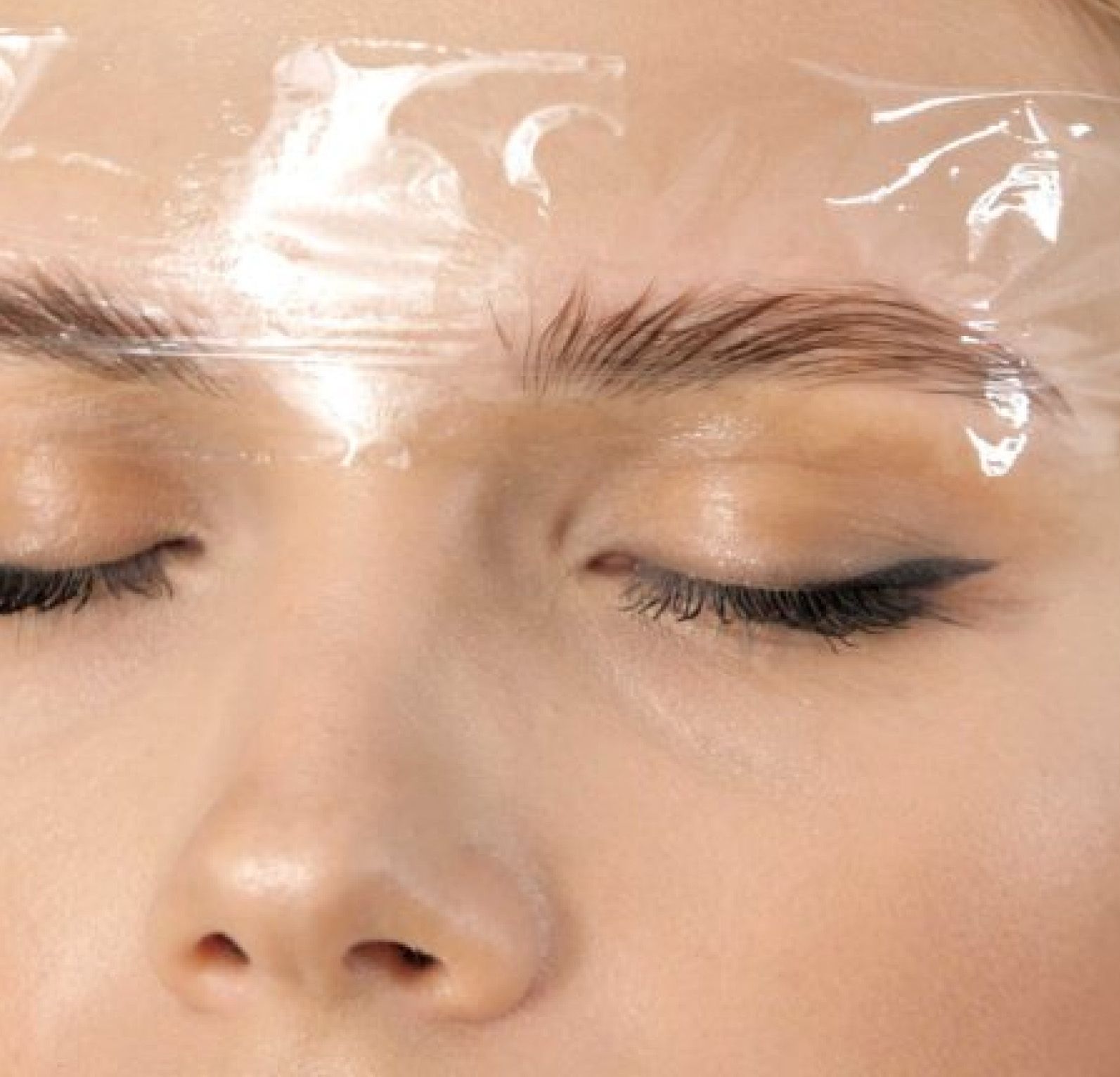
Lash lift and tint is a chemical treatment that curls and darkens the natural lashes from within, without adding any extensions. It is a lower-maintenance option that many clients strongly prefer. As our article on lash lift vs lash extensions explains, the two techniques serve quite different client needs and are not in direct competition — offering both significantly broadens your potential client base.
Many successful lash technicians offer both services, giving them the flexibility to match client needs and price their menu at multiple levels. Starting with a comprehensive foundational course that includes both extension and lift techniques is the most efficient approach.
Step 2: Choose the Right Lash Tech Course
Choosing your lash tech course is the most important decision you will make at this stage. The quality of your training directly determines your technical skill, your understanding of safety, your business knowledge, and ultimately your client outcomes.
When evaluating programs, prioritise the following criteria. Does the course cover the full range of application techniques — classic, volume, and hybrid — or only one style? Is a professional kit included, or do you need to source equipment separately? Does the program include real tutor support from experienced practitioners, not just pre-recorded video content? Does the curriculum include client management and business training alongside the technical modules? And does the certification come with any standing or recognition?
Online lash tech courses have become the preferred option for most Canadian students precisely because of the flexibility they offer. You can study around your existing work or family commitments, at a pace that suits how you learn. The practical component is developed through guided self-practice using your included professional kit.
Step 3: Assemble Your Professional Kit
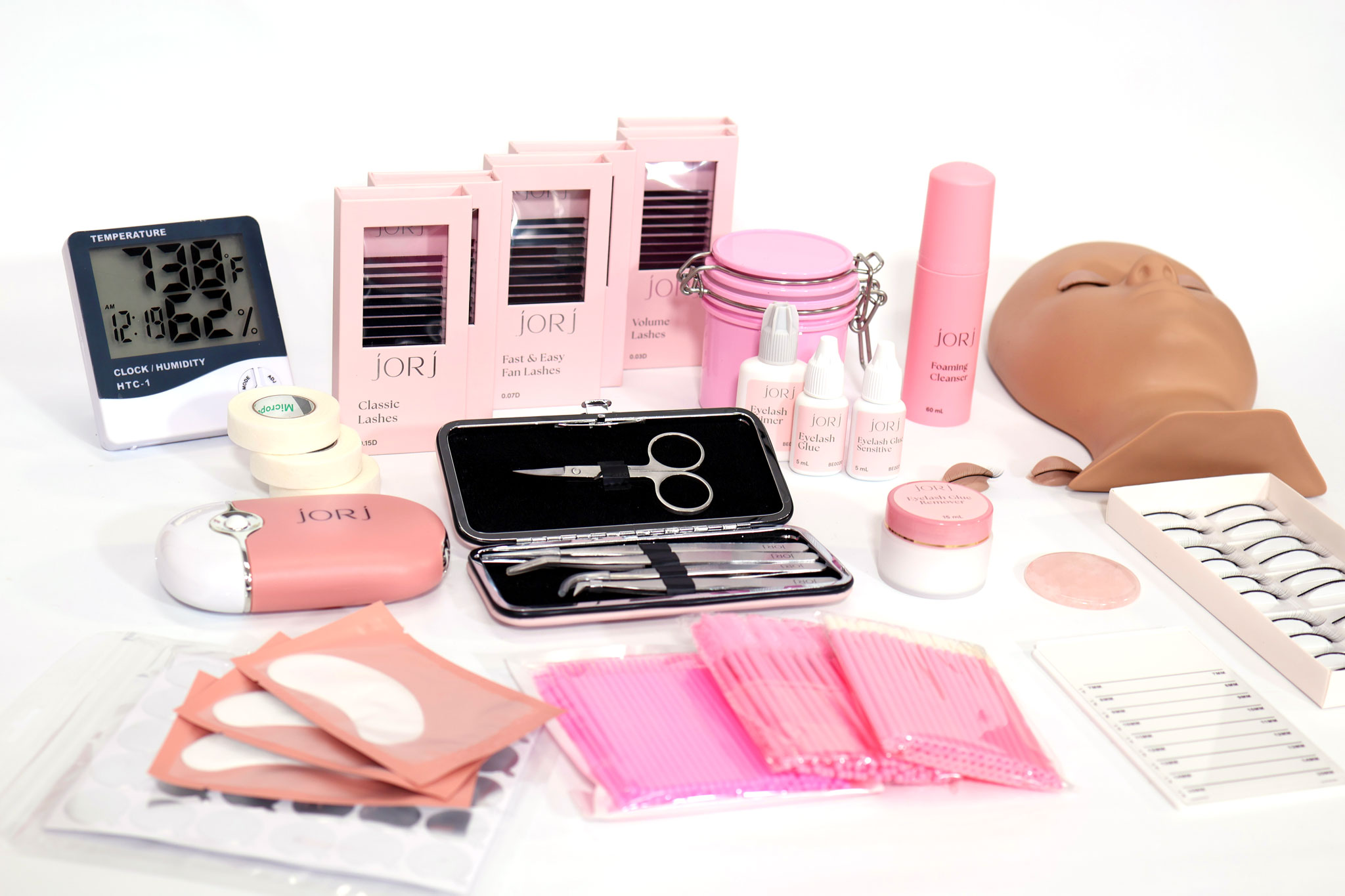
A quality lash tech course includes a complete professional kit. This typically covers mannequin heads for practice, assorted extension trays in different lengths and curls, straight and curved tweezers, lash adhesive and primer, under-eye patches, lash cleansers, micro-wands, and lash mapping templates.
Having a well-organised, properly maintained kit from the beginning builds good professional habits and makes your practice sessions more productive. As your career develops, you will refine your product preferences — discovering the adhesive that suits your application speed, the extension fibres your clients most consistently prefer, and the tweezers that feel most precise in your hands. Starting with a well-specified beginner kit means you have everything required without being overwhelmed by too many choices before you have developed the experience to evaluate them.
Step 4: Invest in Your Practice Hours
No matter how strong the theoretical component of your course, practical hours are where lash technicians are genuinely made. The difference between a beginner and a capable practitioner is measurable in the hours spent at the lash table, and there are no shortcuts.
Before taking paying clients, aim to complete a minimum of ten to fifteen full sets on live models. Start with classic extensions on patient, willing models — friends, family members, or people recruited through local social media groups who understand they are part of your learning process. Work through the full protocol for each appointment: consultation, eye patch placement, isolation, application, and aftercare instructions.
During this phase, photograph your work at the end of every session. Track your progress honestly over time. Your photo library from the practice phase becomes the foundation of your portfolio, and watching your application quality improve over thirty to forty sets is one of the most motivating experiences of early training.
Step 5: Build Your Portfolio and Online Presence
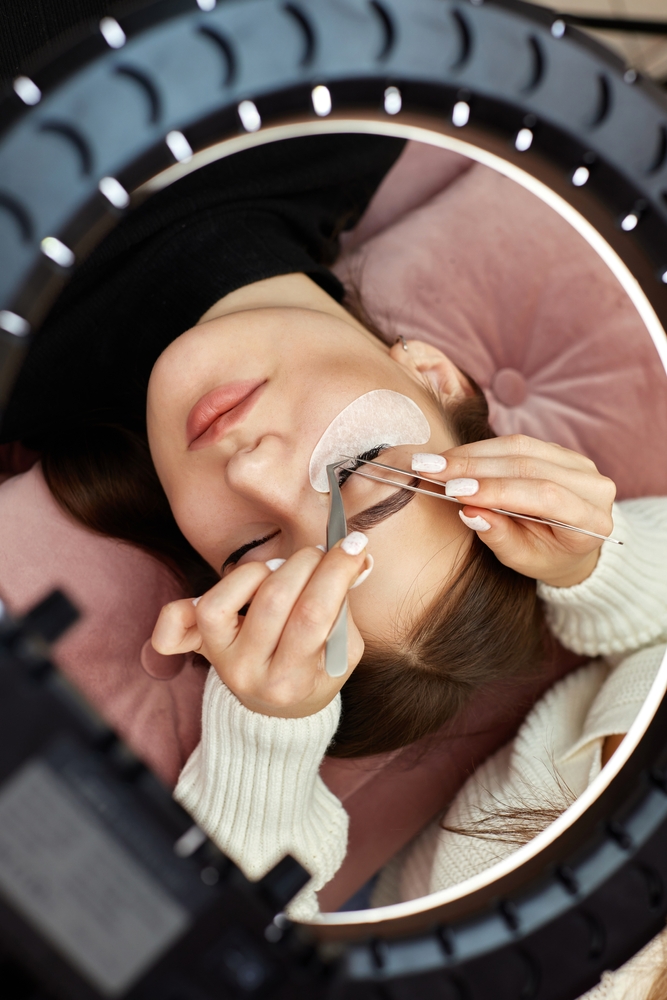
In the lash industry, your portfolio is your most powerful marketing asset. Before you open bookings to paying clients, build a collection of at least fifteen to twenty high-quality photographs showing your completed work. These should be close-up images taken in good natural light, showing the lash line clearly against the eye. Include a mix of styles — naturals, hybrids, and volume sets — to demonstrate range.
Instagram remains the dominant platform for lash technicians across Canada. A consistent grid showing different styles, with before-and-after images, and short Reels showing the application process or the finished result of a lash lift, builds trust with prospective clients before they ever make contact. Your bio should clearly state your location, your services, and how to book.
Setting up a Google Business Profile early is also worth your time. Many clients searching for a lash technician in their area will find you through Google Maps before they discover your social media. A complete profile with photos, services listed, and pricing takes less than an hour to configure and provides consistent organic reach at no cost.
If in doubt, consider a digital marketing course for small business to build your skills and build your business.
Step 6: Set Your Prices Correctly from the Start
Pricing is one of the most common stumbling blocks for newly qualified lash technicians. The temptation to set prices very low to attract initial clients is understandable, but it creates real and lasting problems: it signals lower quality to the market, attracts clients who are price-motivated rather than results-motivated, and is very difficult to reverse without losing those clients entirely.
Research the standard rates in your specific market — look at what trained, certified lash technicians in your city are charging for classic, hybrid, and volume sets. Position your introductory pricing at a modest discount to reflect that you are newly qualified, but within a clearly professional range. A discount of fifteen to twenty-five per cent for your first three months, after which you move to market rates, is a sustainable approach that allows you to build a portfolio without permanently undervaluing your work.
Step 7: Keep Learning After You Graduate
The lash industry evolves quickly. New techniques, adhesive technologies, and styling trends emerge regularly, and the technicians who stay current maintain both their competitive edge and their genuine enthusiasm for the craft. Our post on 2026 lash trends covers the techniques and styles already gaining traction in Canadian salons — including wet-look sets, natural wispy styles, and custom lash mapping approaches that are reshaping client expectations.
Once you have established yourself with classic applications, consider adding volume and mega volume to your service menu. Advanced lash mapping — designing bespoke sets tailored to each client’s eye shape, bone structure, and lifestyle — can significantly differentiate your work from less experienced competitors and command meaningfully higher prices.
Our Certificate in Eyelash Extensions equips you with the full foundational skillset described in this guide, supported by experienced tutors and a comprehensive professional kit. If you are ready to take the first step toward your lash career, it is the most complete starting point available online in Canada.