The beauty education landscape has transformed dramatically over the past decade. Where aspiring nail technicians, lash artists, or estheticians once had only one option—attending physical beauty schools or colleges—they now face a choice between traditional in-person training and increasingly sophisticated online programs.
This choice isn’t trivial. Your training format affects not just your learning experience, but your timeline to earning, financial investment, work-life balance during studies, and ultimately how well you’re prepared for your beauty career.
For Canadian students, this decision carries additional considerations including vast geographic distances, diverse climates making winter commutes challenging, and varying availability of quality in-person programs across provinces.
This comprehensive guide explores in-person versus online beauty education, examining advantages and limitations of each format, helping you determine which approach best suits your circumstances, learning style, and career goals.

The Evolution of Beauty Education
Understanding how beauty education has evolved helps contextualize the current landscape and options available.
Traditional Beauty School Model
For decades, beauty education followed a consistent model. Students attended physical beauty colleges or vocational schools, following fixed schedules with mandatory attendance, learning through demonstrations followed by supervised practice, and completing set hours (often 200-1,000+) before graduation.
This system worked well for full-time students able to commit to structured schedules and regular campus attendance. It struggled to serve people balancing work, family, or living in communities without local beauty schools.
Digital Transformation
The COVID-19 pandemic accelerated existing trends toward online education across all fields, including beauty training. According to UNESCO’s research on education transformation, digital learning has fundamentally changed how professional skills are taught globally. What began as emergency adaptations evolved into sophisticated online learning platforms with high-quality video instruction, remote tutor support, practical assessment methods, and comprehensive curricula rivaling traditional programs.
Today’s quality online beauty courses aren’t poor substitutes for in-person training—they’re legitimate, comprehensive alternatives with distinct advantages for many students whilst maintaining educational rigor.
In-Person Beauty Training: The Traditional Path
Let’s start by examining traditional in-person beauty education, understanding its strengths and limitations.
How In-Person Training Works
Traditional beauty colleges operate physical campuses in major Canadian cities including Toronto, Vancouver, Calgary, Montreal, and others. Students attend scheduled classes typically 2-5 days weekly for several hours per session.
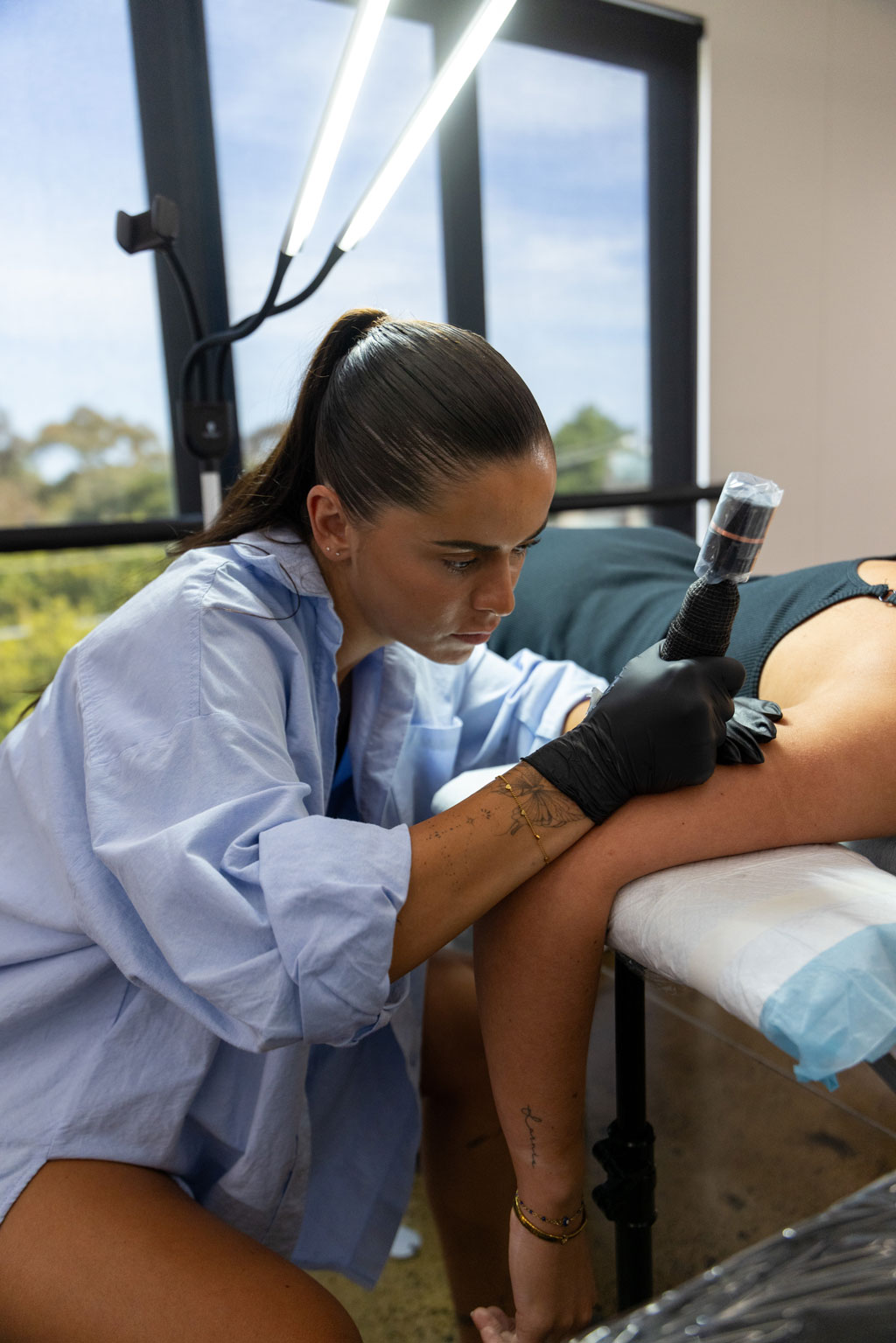
Instruction combines theoretical lessons in classrooms with practical sessions in mock salon environments where students practice on mannequins, fellow students, and eventually volunteer models under instructor supervision.
Programs typically run 6-18 months depending on intensity and breadth. Full-time students might complete training in 6-9 months whilst part-time evening or weekend programs extend to 12-18 months.
Advantages of In-Person Training
Immediate Instructor Feedback: The primary advantage of physical attendance is real-time instructor observation and correction during practical work. When learning new techniques like acrylic application or lash extensions, immediate feedback helps you correct mistakes before they become ingrained habits.
Instructors can observe your hand positioning, pressure application, and technique execution in ways that are challenging remotely, providing instant corrections improving your learning curve.
Structured Schedule and Accountability: Fixed class schedules create external accountability. If you struggle with self-directed learning or procrastination, mandatory attendance forces consistent progress.
The routine of regular class times helps some students maintain focus and momentum throughout training, preventing the “start-stop” patterns that derail some self-paced learners.
Hands-On Equipment Access: Beauty schools provide access to professional equipment students might not own initially including hydraulic chairs and treatment beds, professional sterilization equipment, diverse product lines for experimentation, and specialized tools for various techniques.
This equipment access allows practice with professional-grade tools from day one rather than starting with budget alternatives.
Peer Learning and Networking: Physical classrooms create communities. You’ll build relationships with fellow students who become practice partners, future colleagues or referral sources, accountability partners encouraging your progress, and social connections making the learning experience more enjoyable.
Many beauty professionals maintain friendships and professional networks from their training days, creating ongoing support systems throughout their careers.
Industry Connections: Established beauty schools often have relationships with local salons, spas, and industry suppliers. These connections can facilitate job placements after graduation, discounted product purchases, and introductions to potential employers or mentors.
Limitations of In-Person Training
Geographic Restrictions: In-person training requires living near a beauty school. If you’re in smaller Canadian communities, indigenous reserves, or rural areas without local schools, attending means relocating or commuting significant distances—often impossible for people with families, jobs, or financial constraints.
Even in major cities, specific programs might not be available locally, limiting your options.
Fixed Schedule Demands: Mandatory class attendance creates scheduling inflexibility. If you’re working full-time, have childcare responsibilities, or irregular schedules, fitting fixed class times into your life becomes extremely challenging.
Part-time evening or weekend programs help but remain less flexible than self-paced online alternatives.
Higher Costs: In-person programs typically cost more than online alternatives. Tuition for college-based beauty programs often runs $5,000-$12,000+ compared to $1,500-$4,000 for comprehensive online courses.
Additional costs include commuting expenses (particularly significant in Canadian winters), parking fees at urban campuses, time away from work if studying during business hours, and potentially childcare during class times.
Weather and Commuting Challenges: Canadian winters make commuting challenging and sometimes impossible. Snowstorms, extreme cold, and icy conditions create attendance difficulties particularly in prairie provinces and northern regions.
Missing classes due to weather disrupts learning continuity and can extend program timelines.
One-Size-Fits-All Pacing: Traditional programs move at fixed paces regardless of individual student needs. If you grasp concepts quickly, you must wait for classmates to catch up. If you need extra time on challenging topics, the class moves forward anyway.
This standardized pacing doesn’t optimize anyone’s learning, creating frustration for both fast and slow learners.
Online Beauty Training: The Modern Alternative
Online beauty education has matured significantly, now offering comprehensive training rivalling traditional programs whilst providing advantages particularly valuable for Canadian students.
How Quality Online Training Works
Reputable online beauty courses provide structured curricula through learning management systems students access via computer or tablet. Training combines video demonstrations showing techniques from multiple angles with detailed written materials covering theory and background, practical assessments requiring you to complete specific work and submit photos/videos for instructor feedback, and live or asynchronous tutor support answering questions and providing guidance.
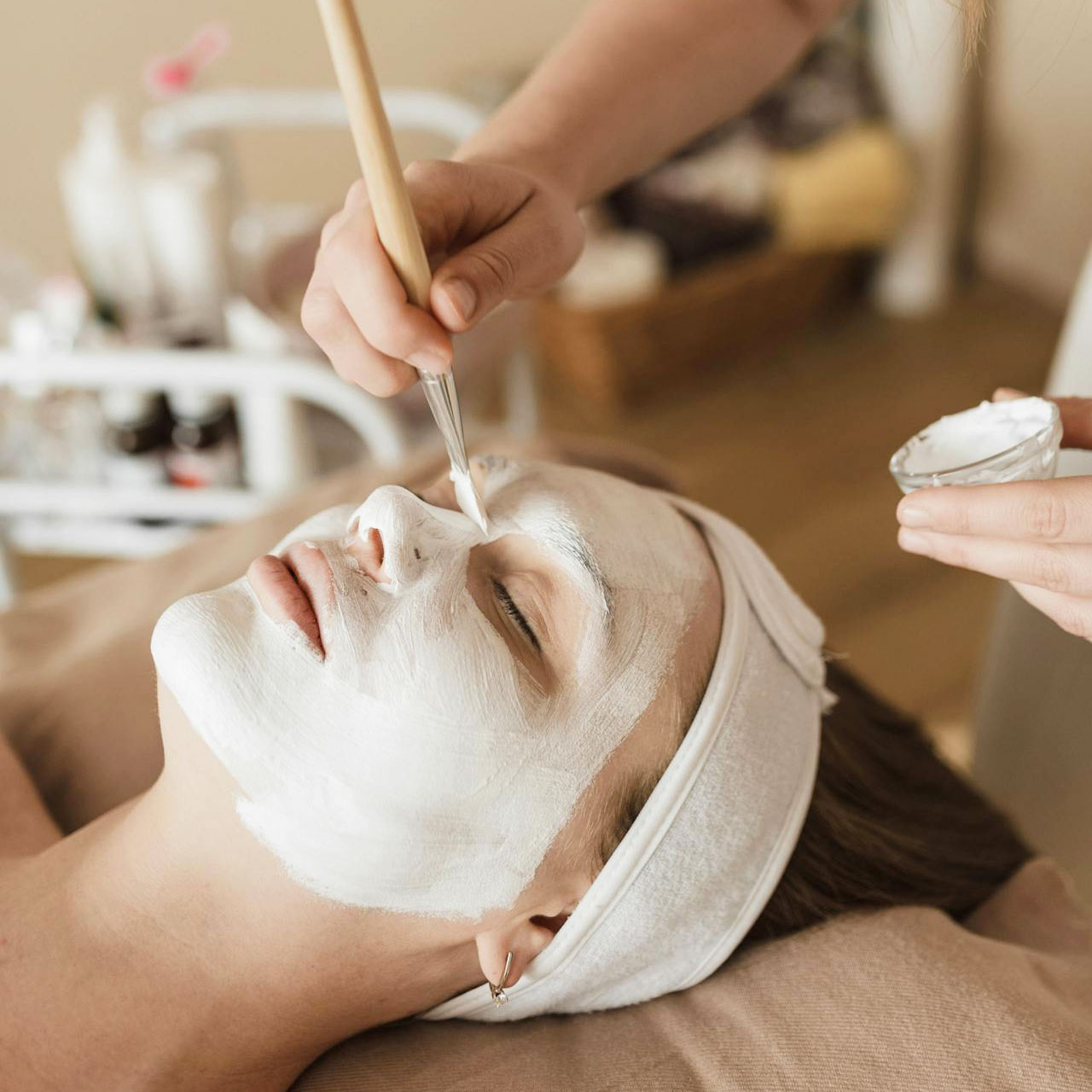
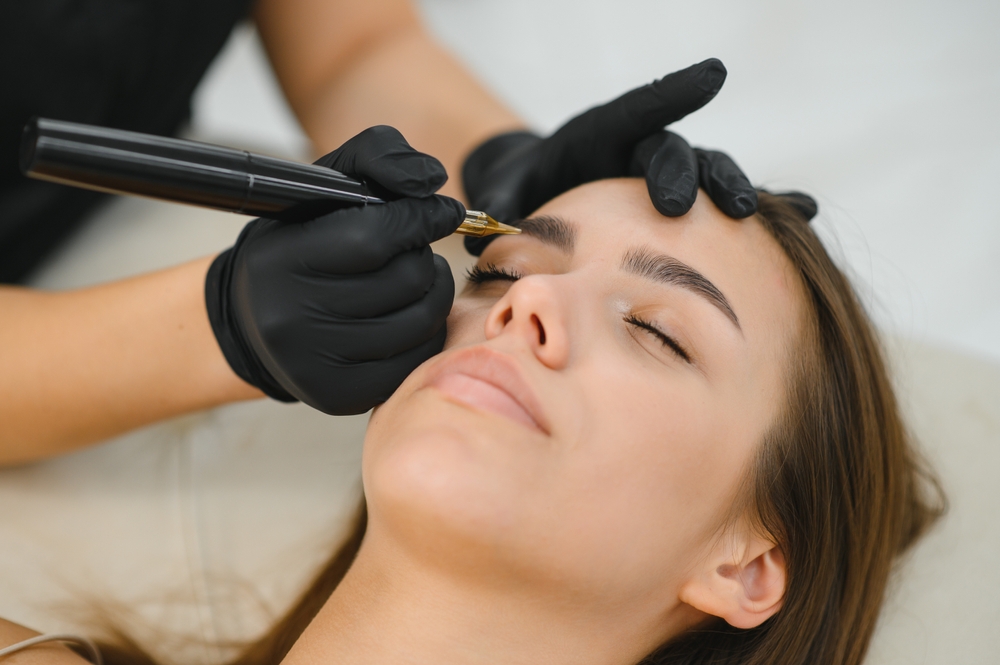
Quality programs like Canadian Beauty School include professional starter kits shipped to students containing all necessary products and tools for practice. Whether you’re interested in nail technology, eyebrow services, or facial treatments, online training provides comprehensive preparation for professional practice.
Advantages of Online Training
Maximum Flexibility: Online learning’s most significant advantage is complete schedule flexibility. Study early mornings before work, evenings after children sleep, weekends, or any time that fits your life. There’s no commute, no fixed class times, and no pressure to match others’ pacing.
This flexibility is transformative for students working full-time, parents managing childcare, those with irregular work schedules, and anyone valuing control over their time.
Geographic Accessibility: Online training eliminates geographic barriers. Students in Whitehorse, Fort McMurray, rural Nova Scotia, or anywhere with internet access can access the same quality training as Toronto residents.
This democratization of beauty education opens career opportunities to people previously unable to pursue them due to location.
Self-Paced Progress: Learn at your optimal speed. Spend extra time on challenging topics without holding back classmates or feeling pressured to move on before you’re ready. Conversely, move quickly through concepts you grasp easily rather than sitting through repetitive instruction.
This personalized pacing optimizes learning efficiency, allowing completion in 2-3 months for dedicated students or 6-12 months for those with limited available time.
Lower Costs: Online programs typically cost 40-60% less than equivalent in-person training. Quality comprehensive online beauty courses range from $1,500-$4,000 compared to $5,000-$12,000+ for college programs.
Additional savings include eliminated commuting costs, no parking fees, no need for childcare during class times, and ability to maintain full-time work during training.
Weather Independence: Canadian winters don’t disrupt online learning. Blizzards, ice storms, and extreme cold that would cancel in-person classes don’t affect your ability to study from home.
This reliability is particularly valuable in provinces experiencing harsh winters and unpredictable weather.
Unlimited Content Review: Online materials remain accessible throughout your course and often beyond graduation. Rewatch technique videos as needed, review written materials when preparing for new services, and refresh your knowledge anytime.
In-person demonstrations happen once—if you miss something or forget later, you can’t easily revisit. Online content provides permanent reference library.
Comfortable Learning Environment: Study in your own space without performance anxiety from classmates watching. Many students feel more relaxed practicing at home, reducing stress that can hinder learning.
This comfort allows you to make mistakes privately, experiment freely, and develop confidence before working on real clients.
Limitations of Online Training
Requires Self-Discipline: Without mandatory class attendance, you must create your own schedule and stick to it. Students lacking self-motivation or struggling with procrastination may find online learning challenging.
Success requires treating your course like real job commitment, setting regular study times, and maintaining consistency even when motivation wanes.
Limited Immediate Feedback: While quality online programs provide tutor feedback on submitted practical work, it’s not instantaneous like in-person supervision. You might complete work incorrectly before receiving correction, potentially reinforcing poor habits temporarily.
However, quality online programs mitigate this through detailed video instruction showing common mistakes and how to avoid them, prompt tutor feedback on submitted work (typically within 24-48 hours), and accessible tutors answering questions via email or video calls.
Initial Equipment Investment: Some online programs require you to purchase certain equipment like UV/LED lamps for gel work or e-files for advanced nail techniques. Quality programs include comprehensive starter kits, but you may eventually need additional purchases as you build your professional setup.
In-person schools provide all equipment during training, though you’ll still need to purchase your professional kit after graduation.
Perception Challenges: Some people maintain outdated biases that online education is inferior to in-person training. While this perception is changing rapidly, particularly post-pandemic, you might occasionally encounter clients or employers questioning online credentials.
Quality online programs from established providers like Canadian Beauty School provide recognized certifications satisfying insurance requirements and employer expectations, addressing most credibility concerns.
Social Isolation: Online learning lacks the social community of physical classrooms. You won’t build relationships with classmates through daily interaction, missing potential networking opportunities and social support.
However, quality online programs often provide online communities, forums, or social media groups connecting students for peer support and networking.

Comparing Educational Outcomes
Beyond logistical considerations, does training format affect your ultimate competency and career preparedness?
Technical Skill Development
Quality training in either format can develop strong technical skills. The key factors are comprehensive curriculum covering all essential techniques, adequate practical requirements ensuring hands-on experience, access to quality instruction through live demonstrations or detailed video, and feedback mechanisms allowing skill refinement.
According to research from the Online Learning Consortium, students completing quality online programs in hands-on fields demonstrate technical competency equivalent to traditional graduates when programs include robust practical components. Both in-person and online programs can provide these elements. Success depends more on program quality and student dedication than format itself.
Theoretical Knowledge
Theory—understanding skin biology, product chemistry, sanitation protocols, and business fundamentals—transfers excellently through online formats. Written materials and video explanations often provide more detailed theoretical instruction than time-constrained in-person classes.
Online students often demonstrate stronger theoretical knowledge than in-person students because they can review materials repeatedly, study at their own pace, and spend adequate time on complex topics.
Professional Readiness
Both formats can produce career-ready graduates prepared for salon employment or self-employment. The determining factors are adequate practical experience with real people (not just mannequins), business training preparing you for client management, pricing, and marketing, understanding of health, safety, and legal requirements, and confidence developed through successful completion and practice.
Quality online programs require substantial practical work on real models with photo/video documentation ensuring you develop genuine competency, not just theoretical knowledge.
Making Your Decision: Key Factors to Consider
Choosing between in-person and online training requires honest assessment of your circumstances and preferences.
Your Current Situation
If you’re working full-time, online training provides flexibility to study around work without leaving your income source or using vacation time for classes.
If you have childcare responsibilities, online study allows working around children’s schedules, studying during naps or after bedtime without arranging care for class attendance.
If you live in smaller communities, online training eliminates relocation or extensive commuting, providing access to quality education unavailable locally.
If you have reliable transportation and live near beauty schools, in-person training becomes more viable though still less flexible than online alternatives.
Your Learning Style
Self-motivated, disciplined learners thrive with online flexibility, appreciating control over pacing and schedule.
Those requiring external accountability may benefit from in-person structure’s mandatory attendance creating routine and pressure to maintain progress.
Visual learners do well with either format—in-person demonstrations or detailed online videos both provide visual instruction. Online videos offer advantage of unlimited review.
Hands-on learners need adequate practice regardless of format. Both approaches can provide this through sufficient practical requirements and model work.
Your Financial Situation
Limited budgets make online training more accessible due to lower tuition, eliminated commuting costs, and ability to maintain work during studies.
Adequate savings make higher in-person costs more manageable, though cost difference remains significant even for those who can afford either option.
Your Timeline
Need to start earning quickly favours online’s flexible, self-paced format allowing dedicated students to complete training in 2-4 months versus 6-18 months for structured programs.
Comfortable with longer timelines opens both options, making decision based on other factors rather than speed.
Your Career Goals
Salon employment is achievable from either format. Ensure your chosen program provides recognized certification satisfying employer and insurance requirements.
Self-employment particularly suits online graduates who develop entrepreneurial mindset through self-directed learning, managing their education independently like they’ll manage their businesses.

The Verdict: Which Format Is Best?
There’s no universally correct answer—the best format depends entirely on individual circumstances. However, for many Canadian students, online training from quality providers offers compelling advantages.
When Online Training Makes Most Sense
Online beauty courses are often optimal for students working full-time who need flexible study schedules, parents managing childcare responsibilities, those living outside major urban centres, people seeking fastest path from training to earning, budget-conscious students prioritizing value, and self-motivated learners comfortable with independent study.
These circumstances describe many Canadians considering beauty careers, explaining why online beauty education has grown so dramatically. For detailed exploration of specific career paths, review our guides on nail courses in Toronto, choosing eyebrow courses in Ontario, and facial course benefits for Ontario professionals.
When In-Person Training Makes Most Sense
Traditional programs better serve students living near quality beauty schools who can attend conveniently, those with childcare support or no children requiring care, full-time students dedicating entirely to education without work obligations, people strongly preferring structured environments and external accountability, and those with budgets accommodating higher costs or access to substantial student loans.
The Hybrid Future
Increasingly, some programs offer hybrid models combining online theory with periodic in-person practical sessions. These approaches attempt to balance online flexibility with occasional hands-on supervision.
However, truly quality online programs with comprehensive practical requirements and tutor feedback often provide education equally effective as in-person or hybrid alternatives.
Ensuring Quality Regardless of Format
Whichever format you choose, selecting quality training is essential. Watch for these quality indicators in both in-person and online programs.
Comprehensive Curriculum
Training should thoroughly cover all technical skills in your specialization, health and safety protocols and sanitation requirements, business fundamentals for career success, and legal and regulatory compliance requirements.
Superficial courses skimming topics leave you unprepared for professional practice.
Adequate Practical Requirements
Beauty skills require hands-on practice. Quality programs require substantial practical work on real people with documentation proving completion.
Programs lacking robust practical requirements produce graduates unable to perform services confidently or competently.
Experienced Instruction and Support
Your instructors or tutors should have extensive industry experience, current knowledge of techniques and trends, and availability to answer questions and provide feedback.
Programs lacking accessible, knowledgeable support leave students struggling without guidance.
Professional Kit Inclusion
Quality courses include or provide detailed guidance on professional starter kits containing industry-standard products and tools you’ll use throughout your career.
Programs using cheap consumer-grade products teach poor habits and don’t prepare you for professional work.
Recognized Certification
Your certificate should be recognized by insurance providers (essential for professional practice), accepted by potential employers, and respected in your market.
Verify that programs provide legitimate credentials rather than worthless certificates.

Taking Action
Understanding the comparison between in-person and online beauty training empowers you to make informed decisions aligned with your circumstances and goals.
Research both formats by identifying quality programs in each category, comparing curriculum comprehensiveness, reading reviews from past students, and evaluating total costs including hidden expenses.
Assess your situation honestly considering work and family obligations, learning style and self-motivation, geographic location and commuting realities, financial resources and constraints, and timeline for starting your career.
Choose the format matching your circumstances rather than defaulting to traditional approaches because “that’s how it’s always been done.” For many Canadians, online training provides superior path to successful beauty careers.
Commit fully to your choice. Whichever format you select, treat your training seriously, maintain consistency through completion, practice diligently to develop competency, and leverage the advantages your chosen format provides.
Your beauty career success depends less on training format and more on program quality and your dedication. Choose the format that works for you, select quality education, and commit to excellence—your thriving beauty career awaits.
Ready to start your beauty education? Canadian Beauty School offers comprehensive online training in nail technology, facials, eyebrow services, and lash extensions. Study flexibly whilst building professional skills preparing you for successful Canadian beauty career—all from the comfort of home with experienced tutor support and professional kits included. Explore all our courses to find the perfect fit for your career goals.