Waxing is one of the most consistently demanded hair removal services in Canada. Unlike some beauty treatments that cycle in and out of popularity with aesthetic trends, waxing occupies a fundamental place in clients’ grooming routines — the demand is there year-round, the repeat booking cycle is predictable, and the skill set, once developed, transfers across a complete body service menu.
For beauty professionals who want to offer a service that generates reliable, recurring revenue with strong client retention, waxing is one of the most pragmatic additions to any treatment menu. This guide covers what a professional waxing course covers, the specific skills and safety knowledge required for body and Brazilian waxing, how to price your services competitively, and how to build a loyal waxing client base.
What a Professional Waxing Course Covers
A comprehensive waxing course covers hair growth anatomy — the structure of the hair follicle, the three phases of the growth cycle (anagen, catagen, telogen), and why understanding this cycle is critical for managing client expectations around regrowth timing and treatment scheduling. It also covers skin anatomy at the depth relevant to waxing — the epidermis, where the hair follicle opening sits, and how different skin conditions affect the safety and suitability of waxing treatment.
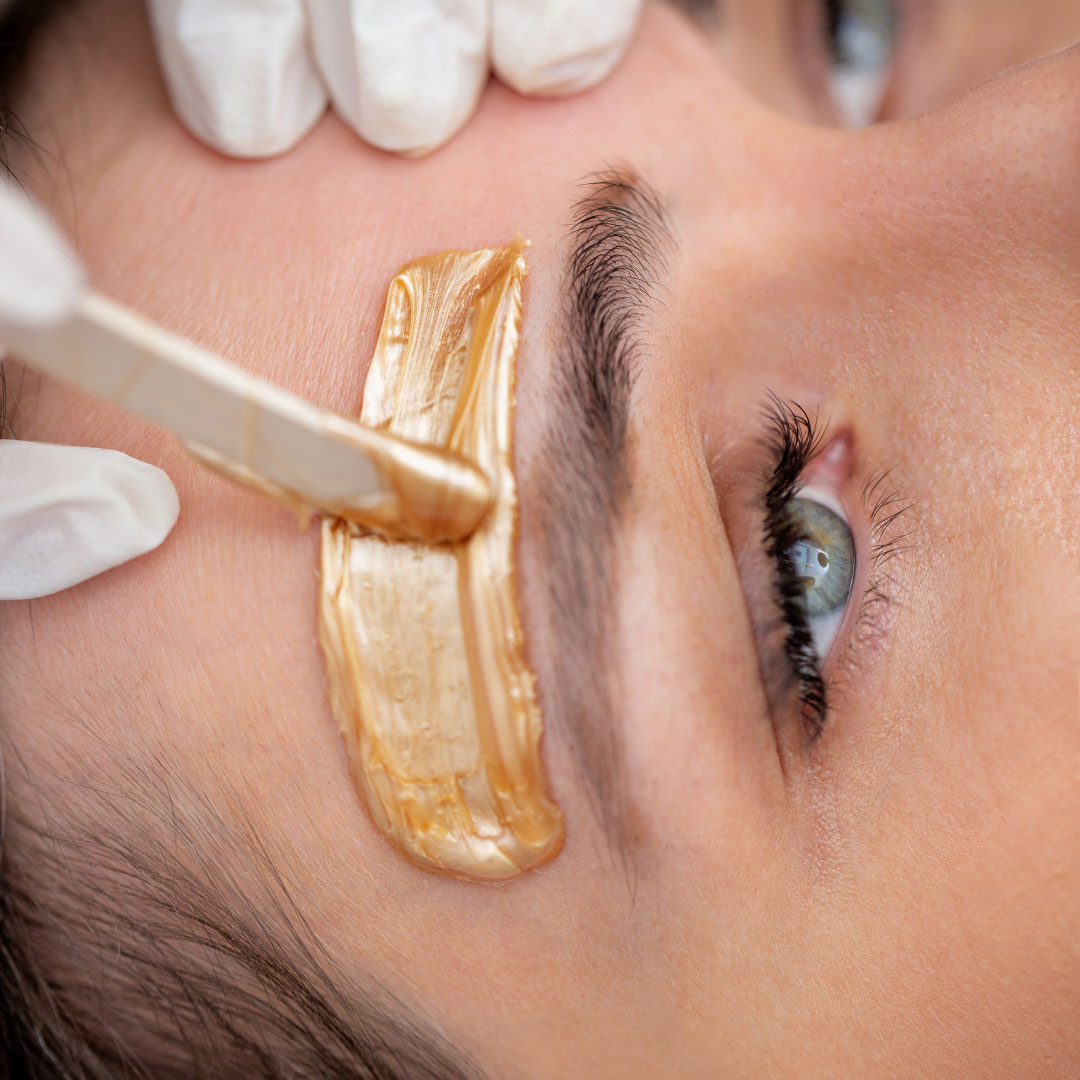
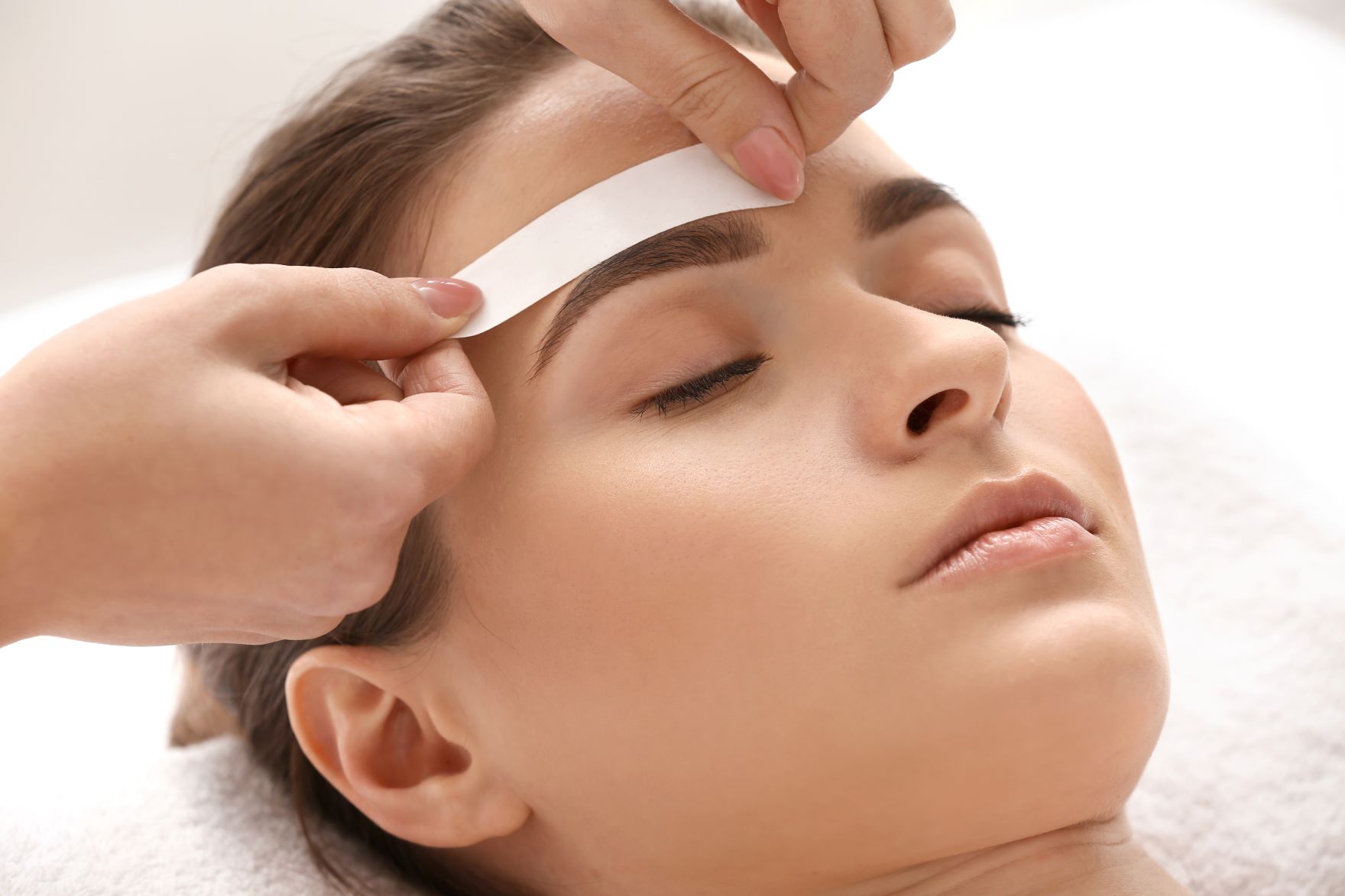
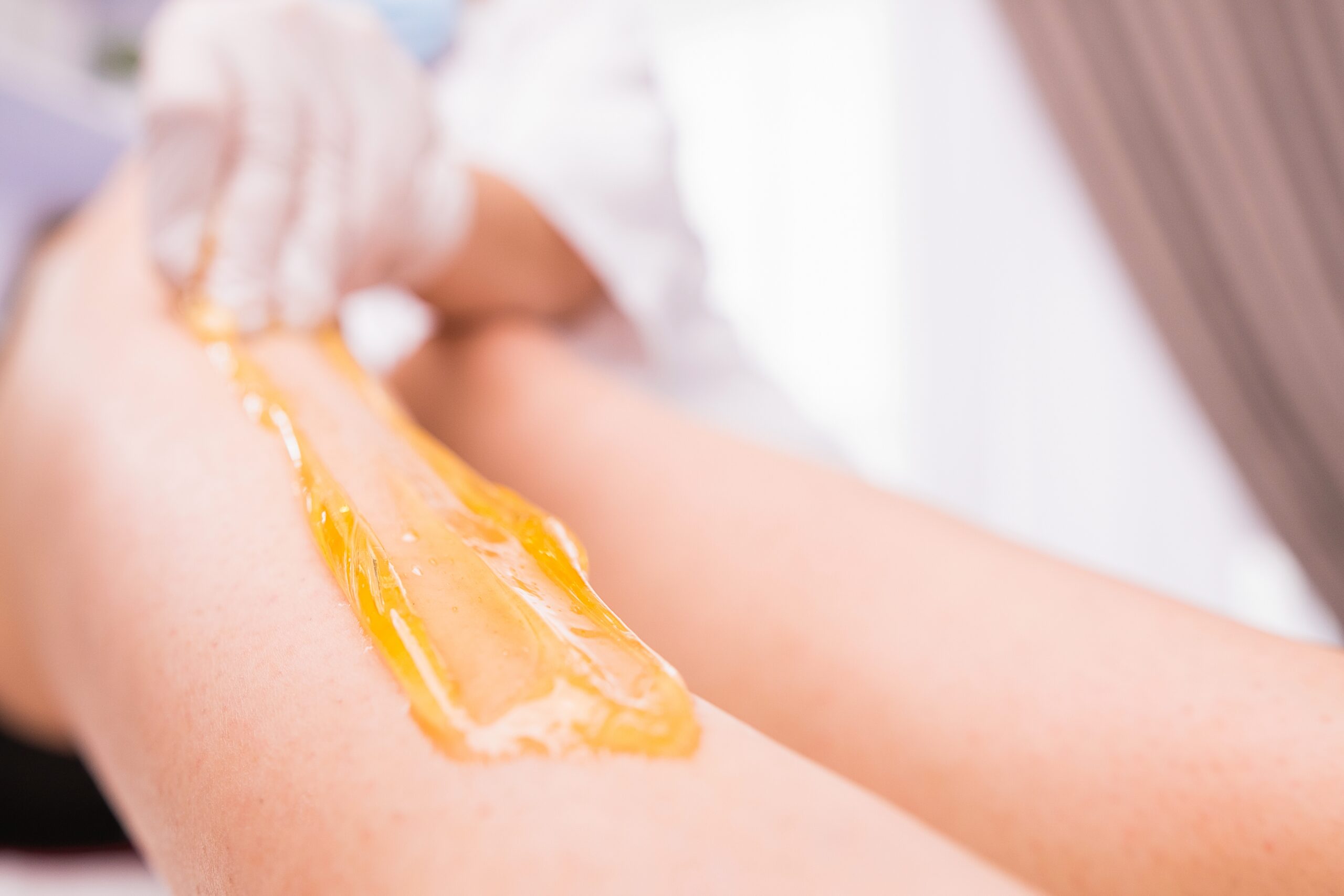
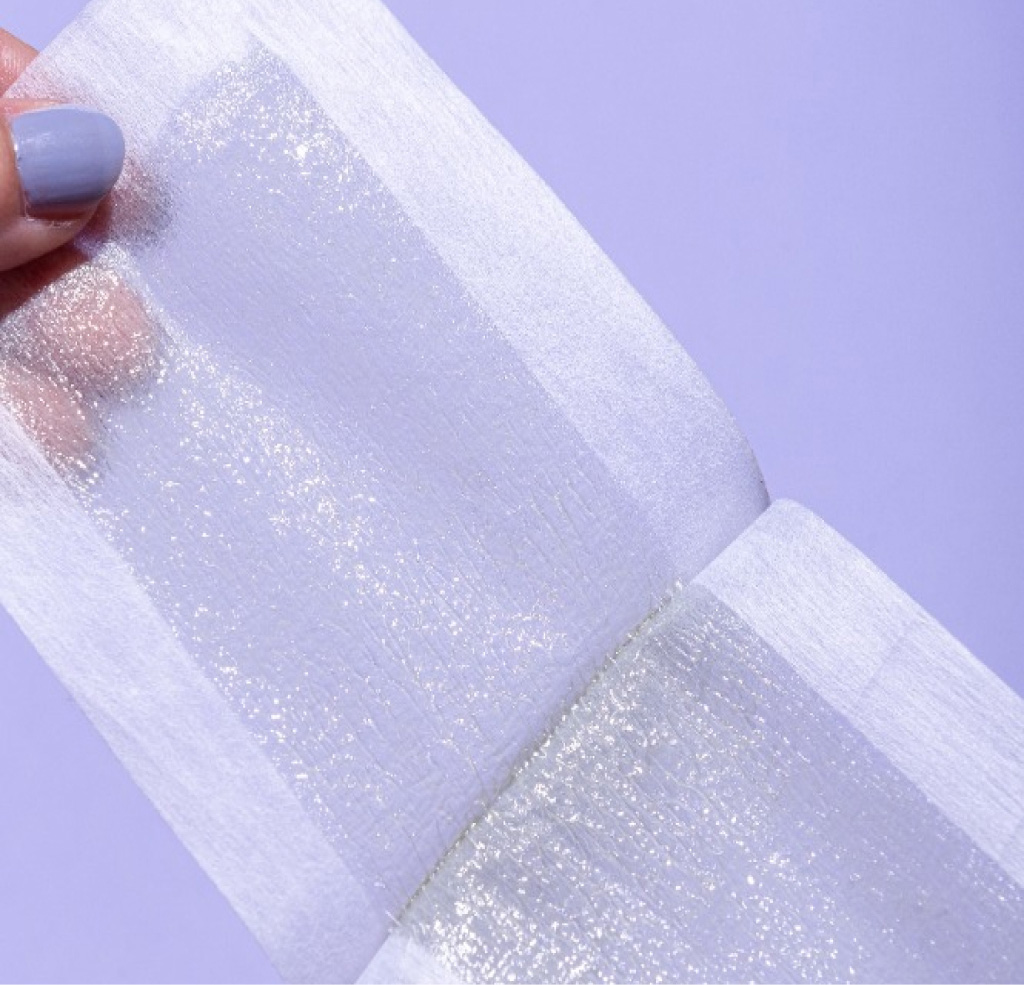
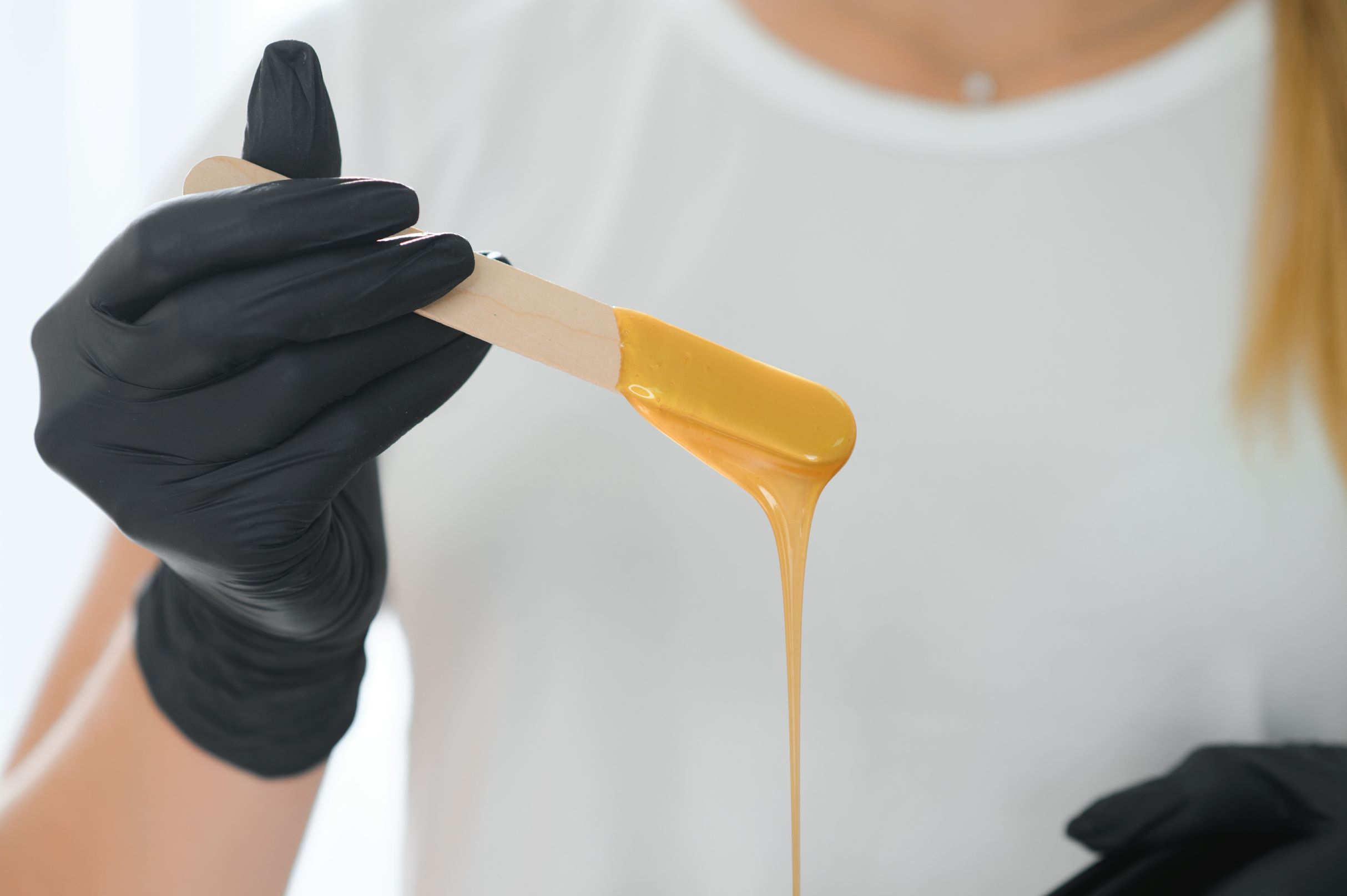
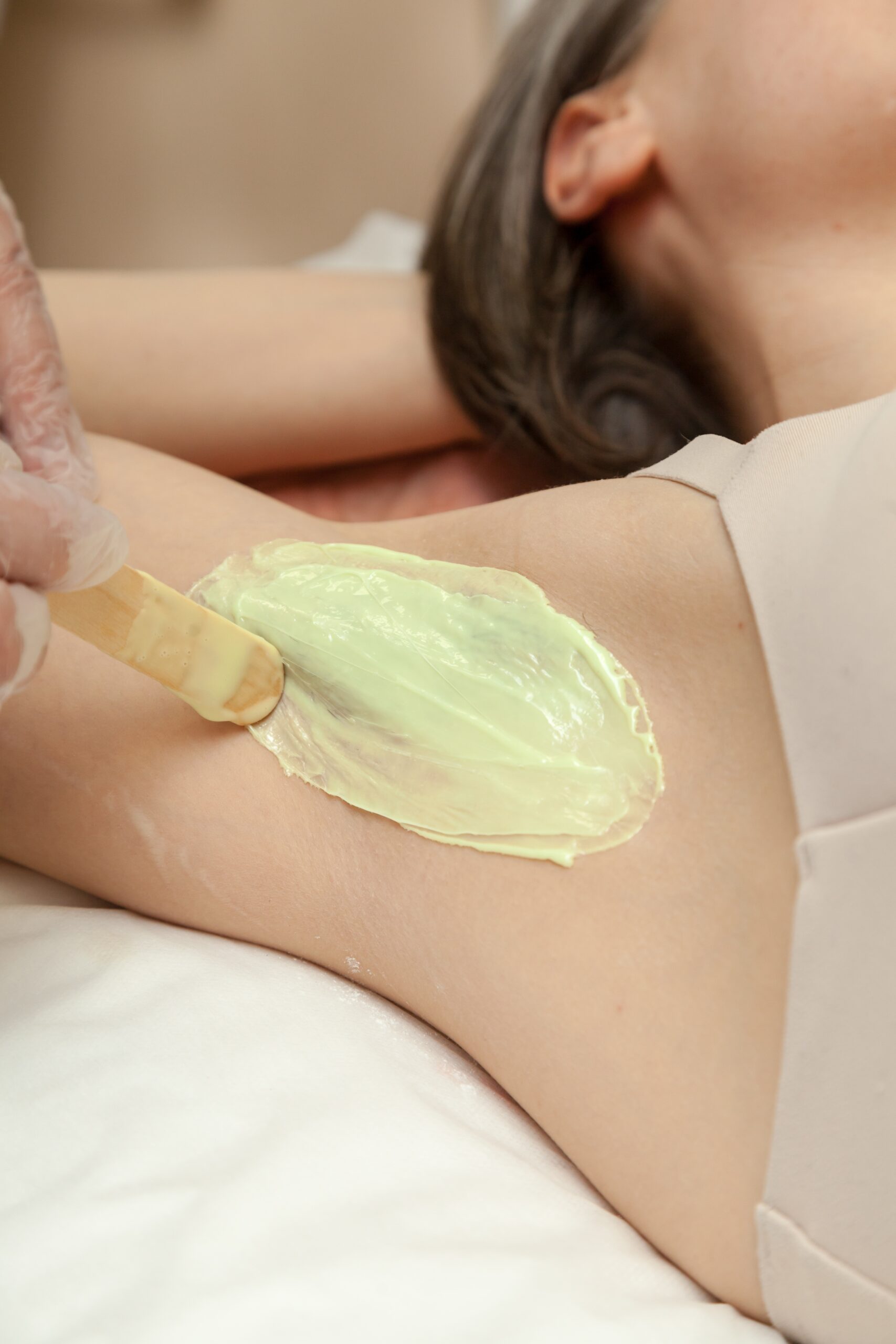
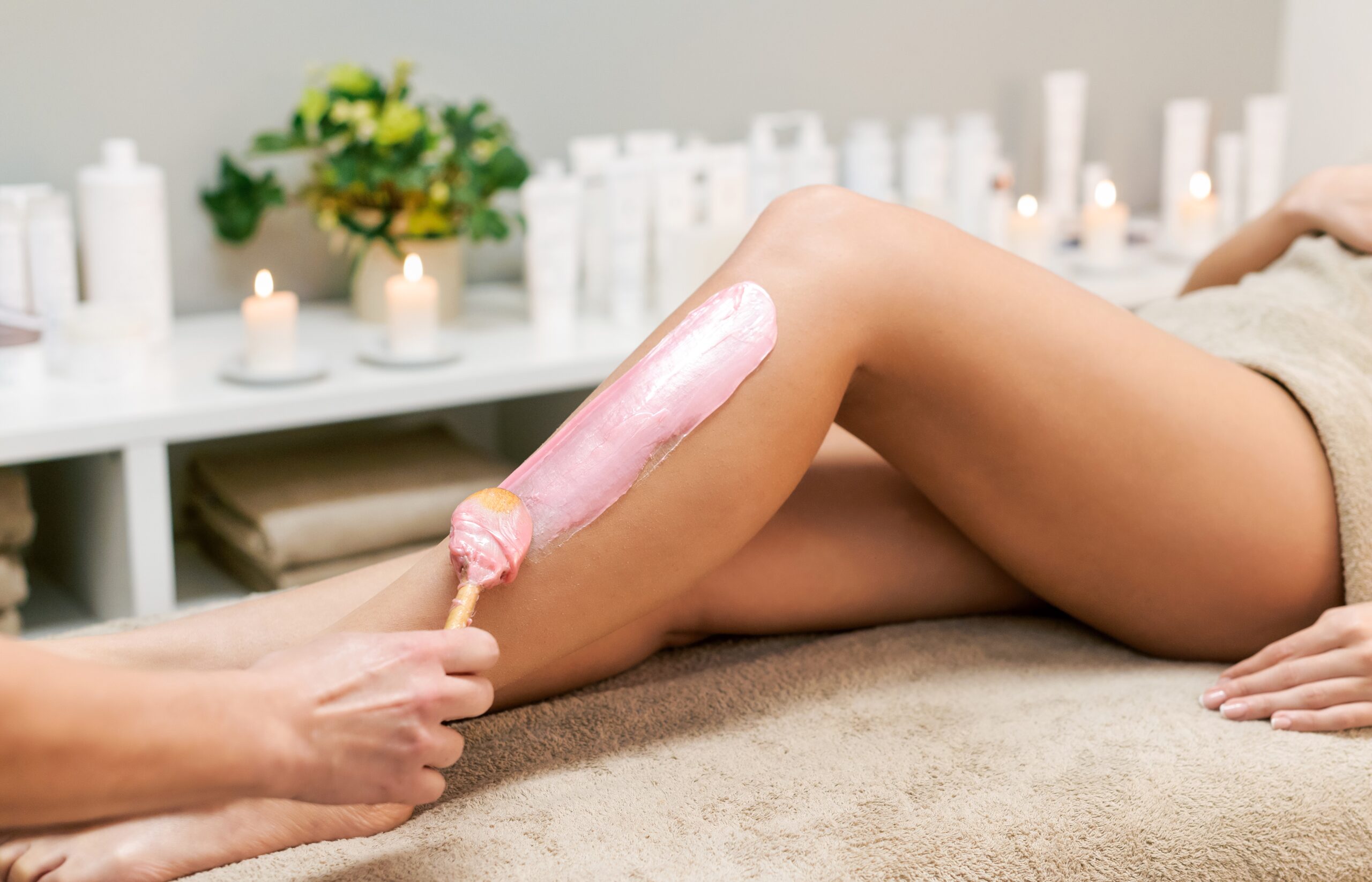
Product knowledge is a significant component. The two main professional waxing formats — hard wax and strip wax (also called soft wax) — have meaningfully different properties, appropriate applications, and technique requirements. Hard wax sets on the skin and is removed without a strip; it is typically the preferred choice for sensitive areas including the Brazilian area, face, and underarms. Strip wax is applied in a thin layer and removed with a muslin or non-woven strip; it is efficient for larger body areas including legs, arms, and back.
Application technique for each wax type is at the core of practical training — correct wax temperature, application thickness, application direction, skin stretch technique, removal angle, and speed all affect both the efficacy and the comfort of the service. A skilled waxing technician minimises client discomfort while maximising hair removal efficiency; a poorly trained technician causes unnecessary skin trauma and breakage rather than clean follicular removal.
Brazilian Waxing: Specific Training Requirements
Brazilian waxing requires specific training beyond general body waxing because of the anatomical sensitivity of the area, the proximity of the wax to mucous membranes, and the particular client care requirements before, during, and after the service. A quality waxing course dedicates a full module to Brazilian-specific technique, positioning, draping, sanitation standards, and client comfort management.
Double-dipping — the practice of re-inserting the same applicator stick into the wax pot after it has touched a client’s skin — is an absolute contraindication in professional waxing and a common sanitation failure point in underprepared technicians. Every reputable waxing course emphasises single-use applicator discipline as a non-negotiable hygiene standard.
Contra-indications for waxing require thorough coverage in any professional course. These include clients currently using isotretinoin (Accutane) or having used it within the past 12 months (skin is extremely sensitised and prone to trauma); clients using topical retinoids in the area to be waxed; very thin or sensitised skin from recent laser, chemical peel, or microneedling treatments; varicose veins in the treatment area; sunburned or recently UV-exposed skin; and various inflammatory skin conditions.
Regulation and Safety in Canada
Waxing is regulated under personal services establishment guidelines in most Canadian provinces, with specific requirements around sanitation, waste disposal, and facility standards. The requirements vary by province — British Columbia has specific regulations under the Personal Services Establishments Act; Ontario requires municipal health unit compliance. Before operating professionally, confirm your province’s specific requirements and ensure your workspace meets the applicable standards.
Professional liability insurance is essential for any beauty professional offering waxing services. Reactions, burns, and skin trauma from improper waxing technique are among the most common beauty service complaints, and insurance protection is non-negotiable from the first paying client.
Pricing Waxing Services in Canada
Waxing pricing in Canada varies by service area and market. Express services like eyebrow waxing are typically priced at $15 to $25. Upper lip and chin are $12 to $20 each. Half-leg wax is typically $40 to $60; full leg $60 to $90. Brazilian waxing typically starts at $55 to $80 in most Canadian markets and reaches $85 to $110 for full-service appointments in premium urban markets.
The combination of modest material costs (wax products have a low per-service cost) and relatively quick treatment times (an eyebrow wax takes five to seven minutes; a Brazilian 20 to 30 minutes) produces very strong hourly income ratios for busy waxing technicians. A full day of waxing appointments, mixing express services with full-body treatments, can generate $300 to $500 in revenue for an efficient, fully booked technician.
Building a Loyal Waxing Client Base
Waxing clients are among the most loyal in the beauty industry because of the natural repeat booking cycle — regrowth occurs on a predictable schedule, typically prompting a rebooking every three to six weeks depending on the service and the individual’s growth rate. A technician who provides a reliably comfortable, efficient, and high-quality experience can expect to retain a very high proportion of clients on an ongoing basis.
Client communication around the rebooking schedule is important. Advise clients on their expected regrowth timeline and encourage them to pre-book their next appointment before leaving, or shortly after via your booking system. Pre-scheduled recurring appointments lock in your calendar and reduce the cancellation rate that is characteristic of clients who only book reactively.
Our body waxing course covers the full professional waxing skill set from body to Brazilian, with safety and business training integrated throughout. For complementary brow services, our guide on eyebrow waxing careers across Canada covers the specific brow specialisation. And for a complete view of beauty career options, visit our online beauty courses page.