Skin analysis is the cornerstone of professional facial services. It’s the diagnostic skill that separates competent facialists from truly exceptional ones—the ability to accurately assess skin conditions, identify underlying issues, and design customized treatments that deliver transformative results.
For Canadian facial specialists, skin analysis requires additional considerations beyond basic technique. Canada’s extreme climate variations, from harsh prairie winters to humid coastal summers, profoundly affect skin health. Understanding how environmental factors interact with individual skin types allows you to provide truly personalized care that addresses each client’s unique circumstances.
Quality facial courses must comprehensively teach skin analysis skills, but many programs provide only superficial coverage. This guide explores what facial training should include about skin analysis, why mastering this skill is essential for Canadian practice, and how environmental and lifestyle factors unique to Canada affect your approach to skincare.
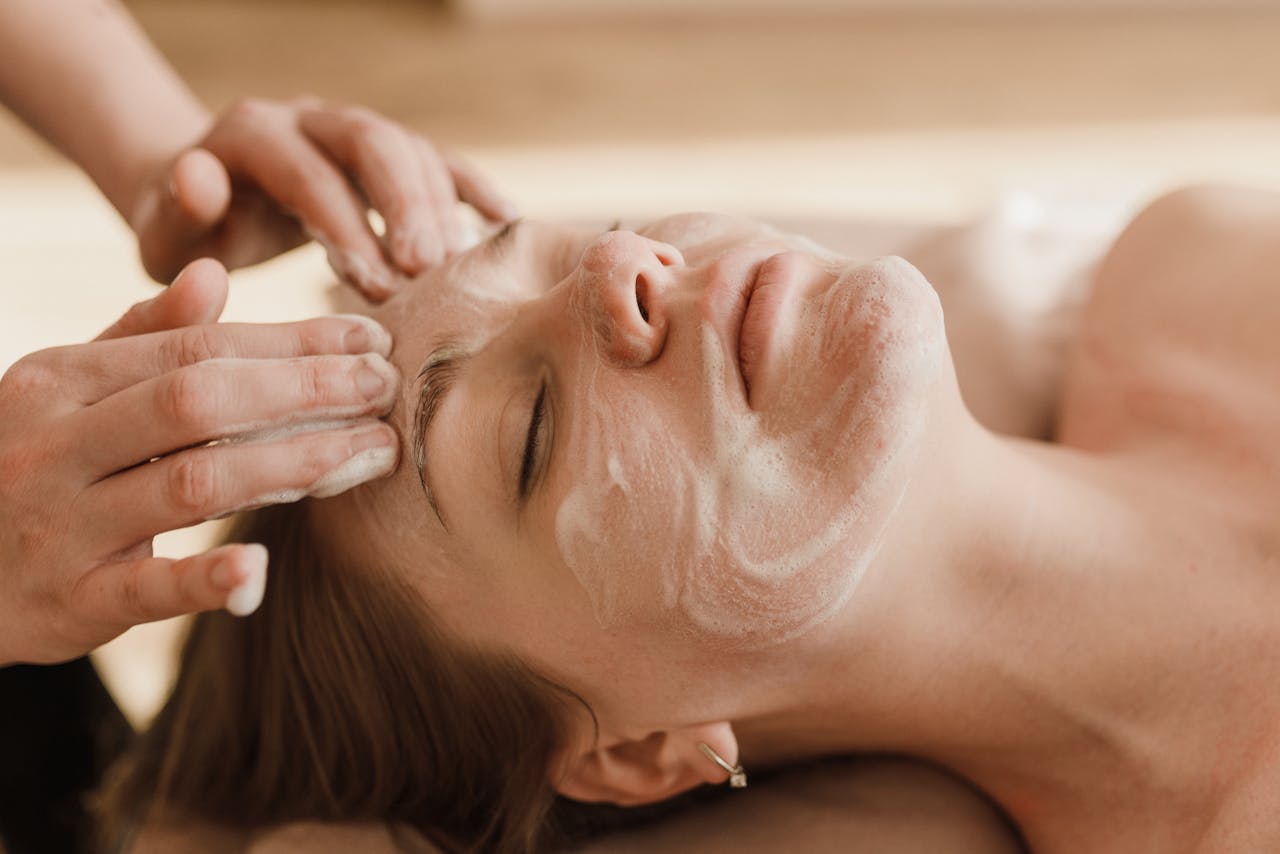
Why Skin Analysis Matters More Than You Think
Before diving into technique, understanding why skin analysis is so crucial helps you appreciate the depth of knowledge required.
Customization Is Everything
Cookie-cutter facial protocols don’t work. Two clients with “combination skin” might require completely different treatments based on underlying causes of their skin conditions, climate and environmental exposure, lifestyle and stress factors, product history and sensitivities, and age-related changes.
Accurate skin analysis allows you to customize every aspect of treatment from product selection to massage techniques, ensuring optimal results for each individual client rather than applying generic protocols that may help some whilst irritating others.
Client Safety and Liability Protection
Proper skin analysis identifies contraindications—conditions that make certain treatments unsafe or inappropriate. Missing contraindications during analysis can lead to adverse reactions ranging from mild irritation to serious skin damage, client complaints or lawsuits, insurance claims against your practice, and damaged professional reputation.
According to Health Canada regulations, beauty professionals have duty of care to assess client suitability for treatments and identify potential risks. Comprehensive skin analysis fulfills this obligation whilst protecting both your clients and your business.
Treatment Efficacy and Client Retention
Clients return to facialists who deliver consistent results. Accurate skin analysis ensures treatments address actual skin needs rather than perceived ones, products selected genuinely benefit the client’s specific conditions, and recommendations for home care effectively maintain results between appointments.
When clients see real improvements in their skin—reduced breakouts, improved texture, diminished fine lines, enhanced hydration—they become loyal advocates who refer friends and family. This organic growth stems directly from your analytical skills creating genuinely effective treatment plans.
Professional Credibility
Thorough skin analysis during consultations establishes you as knowledgeable expert rather than service provider following rote procedures. Clients appreciate when you can explain why their skin behaves certain ways, what underlying factors contribute to their concerns, and how your recommended treatments will address root causes.
This educational approach builds trust and justifies premium pricing. Clients willingly pay more for specialists who truly understand their skin compared to technicians who simply perform generic facials.
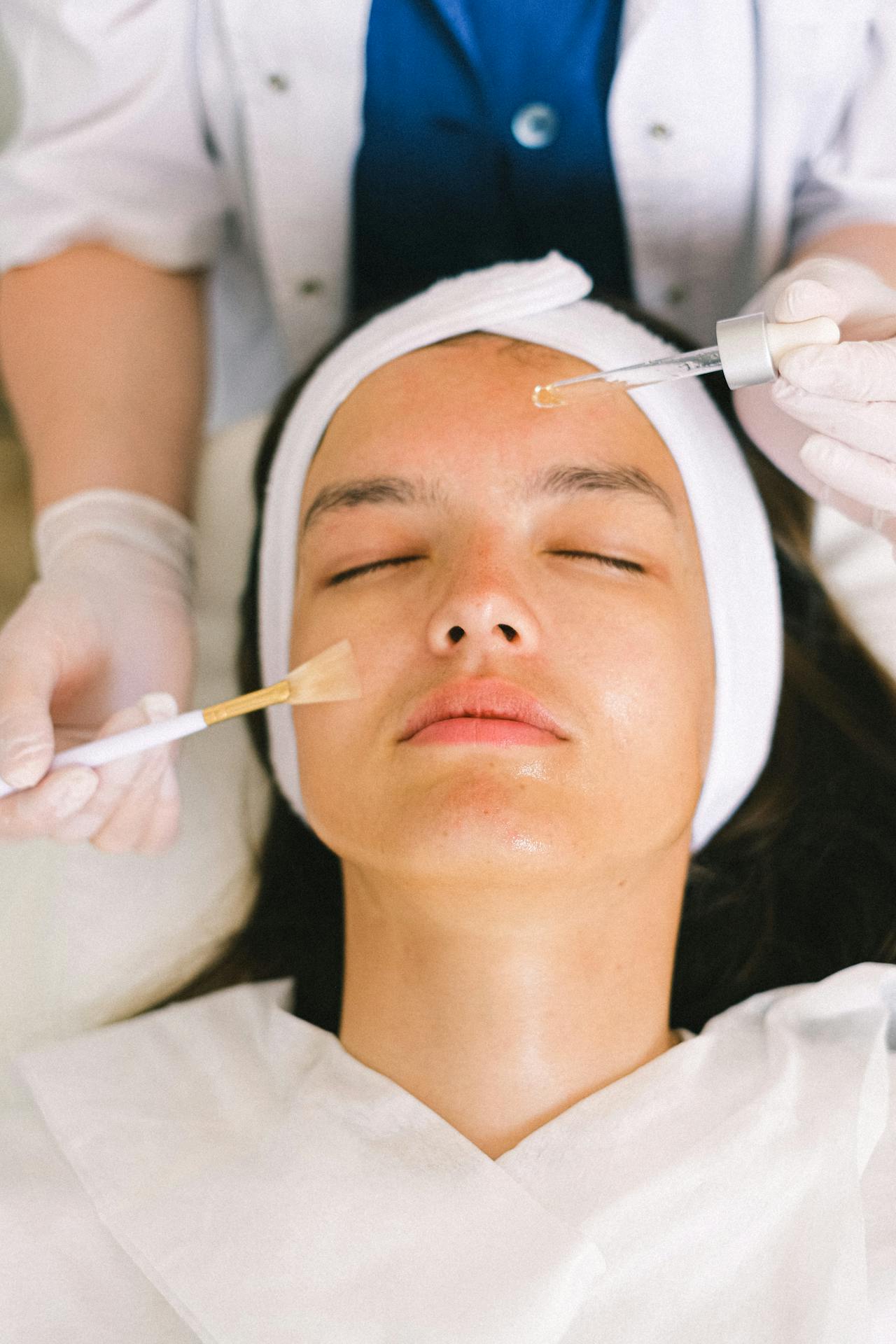
The Five Skin Types: Beyond Basic Classification
Quality facial course training must teach comprehensive understanding of the five primary skin types and their characteristics, variations, and treatment needs.
Normal Skin
Normal skin—technically “eudermic” skin—represents ideal balance. It’s neither too oily nor too dry, shows fine, barely visible pores, smooth, even texture, balanced pH and moisture levels, and minimal sensitivity or reactivity.
Canadian Considerations: Normal skin is relatively rare and can easily become unbalanced by Canada’s climate extremes. Winter heating systems and cold outdoor temperatures tend to dry normal skin, whilst humid summer conditions may increase oiliness. Your analysis should assess seasonal variations and recommend adjusting routines accordingly.
Treatment Approach: Normal skin requires maintenance protocols preventing imbalance. Focus on gentle cleansing preserving natural oils, hydration without heaviness, regular exfoliation maintaining smooth texture, and protective antioxidants preventing environmental damage.
Oily Skin
Oily skin produces excess sebum creating enlarged, visible pores, shiny appearance especially in T-zone, thick skin texture, and propensity for blackheads and breakouts.
Underlying Causes to Assess: Genetics and hormonal factors, overactive sebaceous glands, dehydration causing compensatory oil production, inappropriate product use stripping natural oils, and diet high in refined carbohydrates and dairy.
Canadian Considerations: Surprisingly, Canadian winters often worsen oily skin despite cold, dry conditions. Indoor heating and harsh cleansing attempting to control shine strip skin, triggering increased oil production as compensation. Summer humidity in regions like Ontario and the Maritimes can exacerbate oiliness.
Treatment Approach: Oily skin requires balancing—controlling excess oil without triggering rebound production. Deep cleansing removing impurities without stripping, clay masks absorbing excess oil, chemical exfoliants (salicylic acid) penetrating pores, and lightweight, non-comedogenic hydration are essential components.
Dry Skin
Dry skin lacks adequate oil production and often moisture retention, resulting in tight, uncomfortable feeling especially after cleansing, rough, flaky texture, fine pores barely visible, dull complexion lacking radiance, and increased sensitivity to products and weather.
Underlying Causes to Assess: Reduced sebum production (often age-related), compromised skin barrier function, environmental exposure and weather, harsh product use, and certain medications or health conditions.
Canadian Considerations: Dry skin suffers significantly in Canadian climates, particularly during winter. Prairie provinces with extreme cold and low humidity, constant transition between cold outdoors and heated indoors, and wind exposure in coastal and northern regions all exacerbate dryness. According to Statistics Canada weather data, many Canadian regions experience relative humidity below 30% in winter—desert-level dryness that severely stresses skin.
Treatment Approach: Dry skin needs gentle cleansing with cream or oil-based cleansers, rich, emollient moisturizers with ceramides and fatty acids, hydrating masks and treatments, minimal exfoliation using gentle methods, and protective barriers against environmental stress.
Combination Skin
Combination skin displays multiple skin types simultaneously, typically oily T-zone (forehead, nose, chin) with dry or normal cheeks, enlarged pores in oily areas whilst fine pores elsewhere, and variable treatment needs across face zones.
Canadian Considerations: Combination skin may shift seasonally in Canada. T-zone oiliness might worsen in humid summers whilst cheek dryness intensifies during winter. Your analysis should identify current balance and provide flexible recommendations adapting to seasonal changes.
Treatment Approach: Combination skin requires zone-specific protocols treating different areas according to their individual needs, balancing products that don’t over-treat some areas whilst under-treating others, and flexible routines adjusting to seasonal skin shifts.
Sensitive Skin
Sensitive skin reacts easily to products, weather, and stress, showing redness and visible capillaries, burning or stinging sensations, dryness and flakiness, and reactions to fragrances, preservatives, or active ingredients.
Underlying Causes to Assess: Genetic predisposition to sensitivity, compromised skin barrier allowing irritant penetration, inflammatory skin conditions (rosacea, eczema, dermatitis), overuse of active ingredients or harsh products, and environmental allergies.
Canadian Considerations: Canadian weather extremes particularly challenge sensitive skin. Cold wind exposure, rapid temperature transitions, dry indoor heating, and increased fragrance from heavy winter clothing and fabrics can all trigger sensitivity reactions.
Treatment Approach: Sensitive skin demands gentle, fragrance-free cleansers, minimal ingredient formulations, barrier-repairing moisturizers, anti-inflammatory ingredients (centella, niacinamide), and careful introduction of any active ingredients.
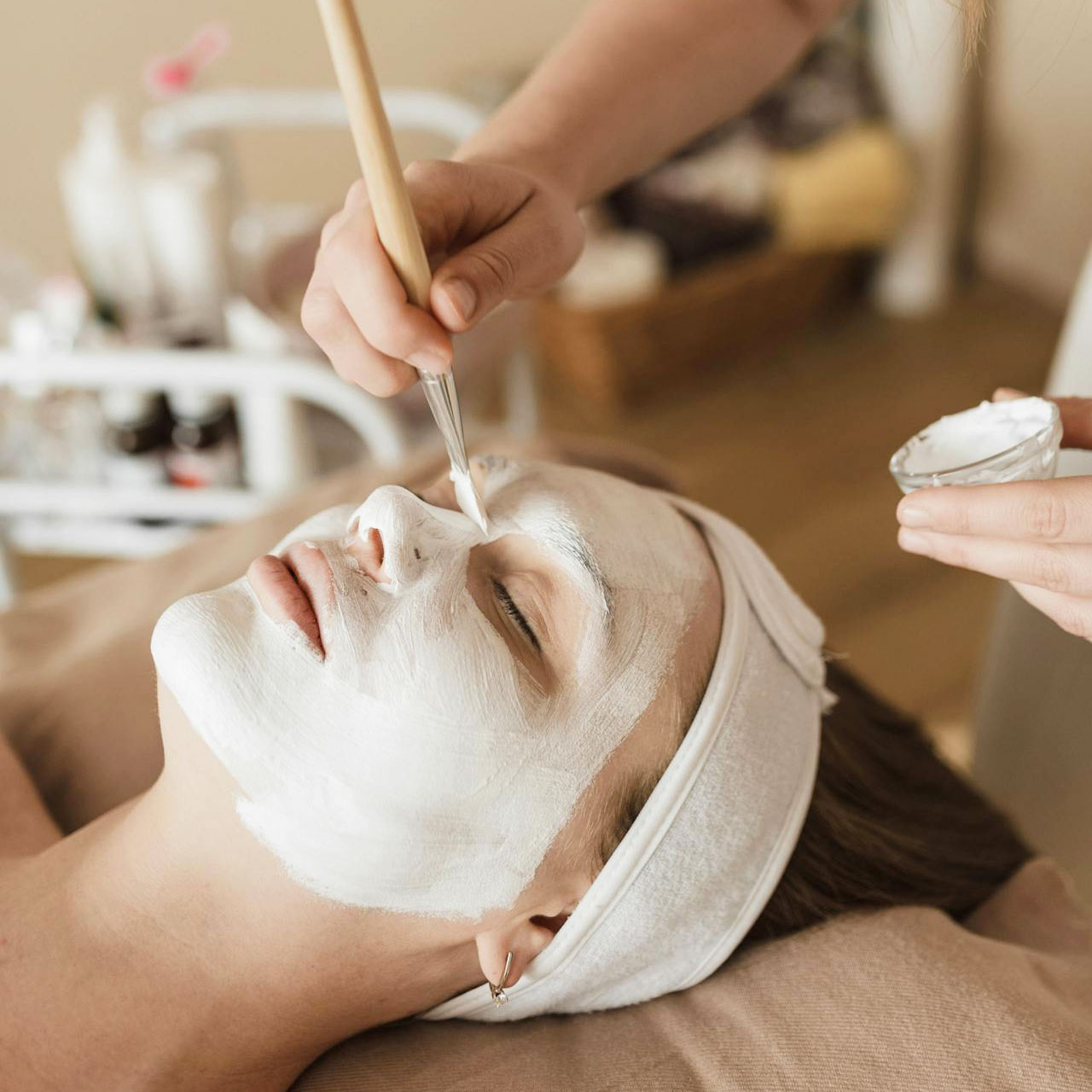
Advanced Skin Analysis Techniques
Beyond identifying basic skin type, professional skin analysis examines multiple factors creating comprehensive understanding of each client’s skin.
Visual Assessment
Thorough visual examination under proper lighting reveals texture irregularities and surface conditions, pigmentation issues including hyperpigmentation and sun damage, vascular concerns like visible capillaries or redness, skin laxity and signs of aging, and congestion including blackheads and milia.
Professional magnification lamps or Wood’s lamps (UV light) reveal conditions invisible to naked eye including subsurface pigmentation, bacterial presence, dehydration lines, and product buildup in pores.
Tactile Assessment
Touching skin provides information visual assessment cannot including skin temperature (cool suggesting poor circulation, warm indicating inflammation), texture and smoothness, skin thickness and resilience, and oil production levels.
Gentle pinching assesses hydration—well-hydrated skin springs back immediately whilst dehydrated skin shows temporary indentation. This simple test distinguishes dehydration from natural dryness, requiring different treatment approaches.
Client History and Lifestyle
Comprehensive analysis includes detailed consultation exploring current skincare routine and products, previous treatments and their results, known allergies or sensitivities, medications that may affect skin, dietary habits and water intake, stress levels and sleep quality, sun exposure and protection habits, and occupation and environmental exposures.
For Canadian clients, specifically inquire about winter skincare challenges, outdoor activities and sports, time spent in heated or air-conditioned environments, and use of hot tubs, saunas, or steam rooms—all common in Canadian culture and potentially affecting skin.
Understanding Fitzpatrick Scale
The Fitzpatrick Scale classifies skin types based on response to sun exposure, ranging from Type I (very fair, always burns) through Type VI (deeply pigmented, never burns). This classification affects treatment selection including chemical peel strengths appropriate for different types, laser and IPL settings, product concentrations for active ingredients, and sun protection recommendations.
Canada’s diverse population means you’ll work with clients across the entire Fitzpatrick spectrum. Your training must prepare you to safely treat all skin tones, understanding how certain treatments may cause hyperpigmentation in darker skin types if performed incorrectly.
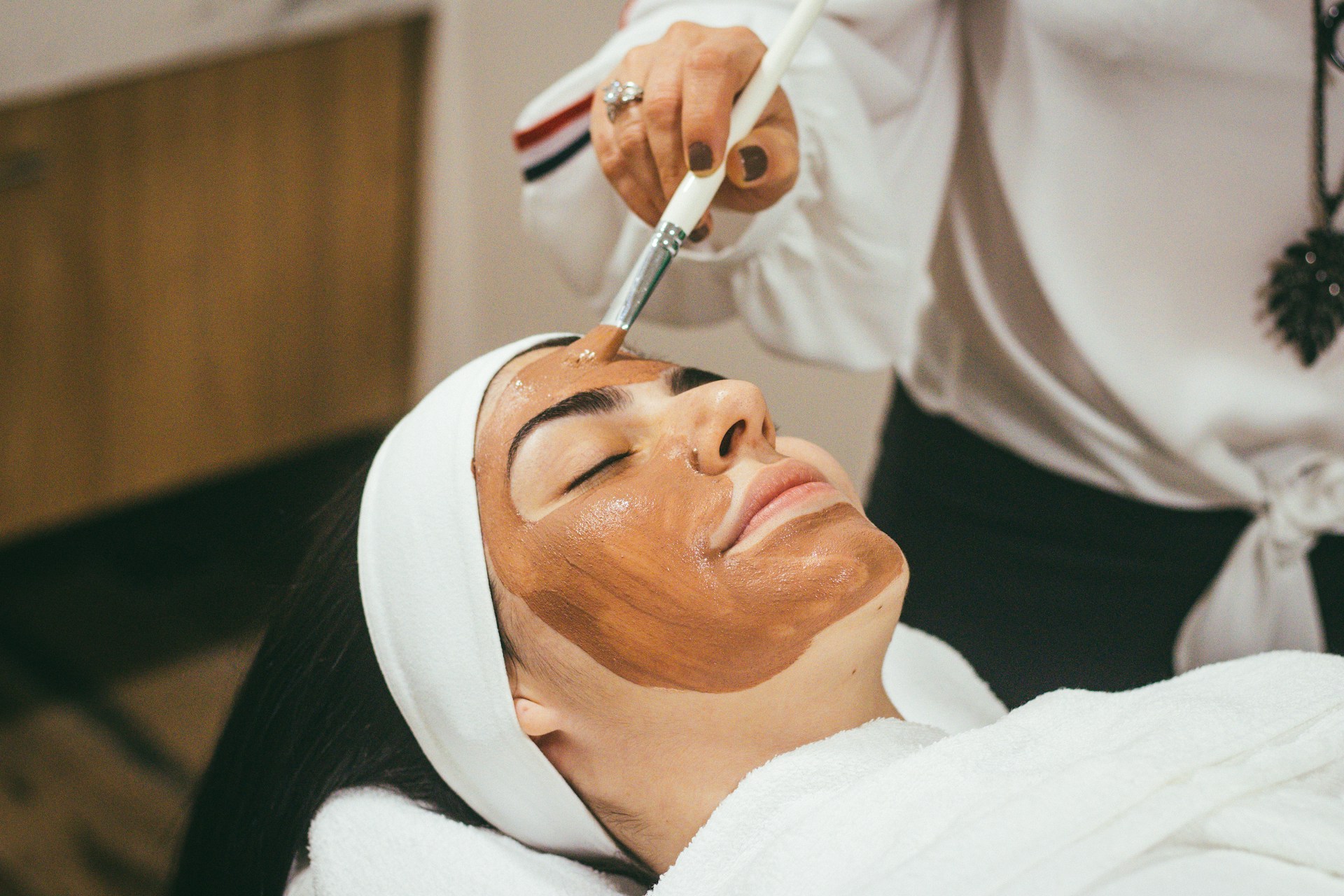
Canadian Climate Considerations in Skin Analysis
Canada’s extreme weather variations require additional analytical considerations beyond standard protocols.
Winter Skin Challenges
Canadian winters create specific skin stresses including extremely low humidity depleting skin moisture, harsh wind causing chapping and irritation, constant temperature transitions stressing skin barrier, heavy indoor heating further drying air, and reduced sun exposure potentially affecting vitamin D and skin health.
During consultation, assess winter damage including windburn and chapping, compromised skin barriers from weather exposure, increased sensitivity from harsh conditions, and dehydration despite adequate water intake.
Treatment Adaptations: Winter protocols should emphasize barrier repair with ceramides and fatty acids, richer moisturizers than summer formulations, protective products before outdoor exposure, humidifier use recommendations for home, and reduced exfoliation frequency to protect stressed skin.
Summer Skin Considerations
Canadian summers bring different challenges including increased humidity in many regions, intense UV exposure with long daylight hours, air conditioning creating indoor dryness, outdoor activities increasing sweat and dirt exposure, and heat potentially worsening rosacea or oil production.
Assess summer-specific concerns including sun damage from outdoor activities, increased breakouts from sweat and sunscreen, dehydration despite humid conditions (especially with air conditioning), and irritation from chlorine (pools) or salt water.
Treatment Adaptations: Summer protocols should focus on thorough cleansing removing sunscreen and impurities, lightweight, non-comedogenic moisturizers, enhanced sun protection counseling, treatments addressing sun damage and pigmentation, and adjustments for increased activity and perspiration.
Regional Variations Across Canada
Different Canadian regions present distinct challenges requiring adapted analysis. Coastal regions (BC, Maritimes) have higher humidity but temperature variations and wind exposure. Prairie provinces (Alberta, Saskatchewan, Manitoba) experience extreme temperature swings and very low winter humidity. Central Canada (Ontario, Quebec) has humid summers and cold, dry winters. Northern regions have extreme cold, extended darkness in winter, and intense sun in summer.
Ask clients about their specific region and adapt your recommendations to local climate realities. A facial protocol perfect for Vancouver might fail miserably in Winnipeg without adjustments for prairie climate.
Identifying Common Skin Concerns
Professional skin analysis must recognize common conditions requiring specialized attention or referral.
Acne and Breakouts
Distinguish between different acne types including comedonal acne (blackheads and whiteheads), inflammatory acne (red, painful pustules), cystic acne (deep, painful lumps), and hormonal acne (typically jaw and chin area).
Your training should teach recognizing when acne requires medical referral beyond esthetician scope. Severe cystic acne, sudden adult acne onset potentially indicating hormonal issues, and acne not responding to professional treatments may require dermatological intervention.
Hyperpigmentation
Analyze pigmentation issues including post-inflammatory hyperpigmentation from previous breakouts or trauma, melasma often hormonally triggered and worsened by sun, sun damage and age spots from UV exposure, and uneven skin tone from various causes.
Treatment selection depends on pigmentation cause, depth, and client’s Fitzpatrick type. Darker skin tones require particular caution with certain treatments that risk worsening pigmentation.
Aging Concerns
Assess aging signs including fine lines and deeper wrinkles, loss of elasticity and firmness, volume loss creating hollows, textural changes from sun damage, and enlarged pores from reduced collagen.
Distinguish intrinsic aging (genetic, chronological) from extrinsic aging (sun damage, lifestyle). Many Canadian clients show significant sun damage despite cold climate due to skiing, skating, and summer cottage culture involving extended outdoor exposure.
Rosacea and Sensitivity
Rosacea affects many Canadians, possibly triggered by extreme weather transitions. Identify characteristic signs including persistent facial redness, visible blood vessels, papules and pustules (without comedones), burning or stinging sensations, and triggers including weather, stress, spicy foods, or alcohol.
Rosacea requires gentle protocols and may benefit from dermatological co-management. Your role includes identifying possible rosacea, recommending medical consultation, and providing supportive treatments reducing symptoms.
Dehydration vs Dryness
Distinguishing dehydration (lack of water) from dryness (lack of oil) is crucial as treatments differ significantly. Dehydrated skin shows fine lines that disappear with moisture, dull appearance, tight feeling, and ability to feel oily yet dehydrated simultaneously. Dry skin has consistently rough texture, visible flaking, comfortable with rich oils, and rarely experiences oiliness.
Canadian climate often causes dehydration even in naturally oily skin types due to environmental moisture depletion. Your analysis must identify whether treatments should focus on adding water (hydration) or oil (moisturization)—or both.
Creating Customized Treatment Protocols
Accurate skin analysis is worthless without translating findings into effective treatment plans.
Selecting Appropriate Products
Based on your analysis, choose products including cleansers matching skin type and needs, exfoliants appropriate for sensitivity level, treatment serums addressing specific concerns, moisturizers providing needed hydration and/or oil, and specialty products for targeted issues.
For Canadian clients, recommend seasonal product adjustments. The moisturizer perfect for July might prove inadequate in January. Educate clients about adapting routines to climate changes.
Determining Treatment Frequency
Your analysis informs recommendation frequency. Oily, resilient skin may benefit from facials every 3-4 weeks, dry, sensitive skin might need 6-8 weeks between treatments, mature skin addressing aging often benefits from monthly treatments, and problematic skin (acne) may require weekly or bi-weekly sessions initially.
Home Care Recommendations
Professional treatments work best supported by appropriate home care. Your consultation should provide morning routine recommendations, evening routine protocols, weekly treatment additions, and seasonal adjustments.
Explain why each recommended product benefits their specific skin analysis findings. Educated clients comply better with recommendations and achieve better results.
Knowing When to Refer
Professional integrity includes recognizing your scope limitations. Refer to dermatologists for severe or cystic acne, suspected skin cancer or suspicious lesions, systemic skin conditions like severe eczema or psoriasis, rosacea requiring medical management, and any condition not improving with professional esthetic treatments.
Health Canada’s scope of practice guidelines clarify esthetician boundaries. Working within these boundaries protects both you and your clients whilst building relationships with medical professionals who may reciprocally refer clients needing cosmetic services.
What Quality Facial Courses Must Teach
Understanding what comprehensive facial training should include helps you evaluate programs and ensure you receive adequate skin analysis education.
Theoretical Foundation
Quality courses provide detailed instruction in skin anatomy and physiology, skin types and their characteristics, common skin conditions and concerns, product chemistry and ingredient actions, and contraindications and safety protocols.
This theoretical knowledge underpins practical skills. Without understanding why skin behaves certain ways, you’re simply following protocols without adapting to individual needs.
Practical Assessment Skills
Beyond theory, courses must develop practical abilities through visual assessment under various lighting, tactile evaluation techniques, client consultation and history-taking, analysis documentation methods, and treatment protocol development.
Programs like Canadian Beauty School’s Certificate in Facials require submitting photos and descriptions of your skin analysis on practice clients, ensuring you can actually perform assessments competently, not just understand them theoretically.
Canadian-Specific Content
Courses serving Canadian students should address climate impacts on skin health, seasonal skincare adjustments, common Canadian lifestyle factors affecting skin (hockey, skiing, cottage culture), and regional variations across provinces.
While general skin analysis principles are universal, application in Canadian context requires understanding unique environmental and cultural factors affecting your clients.
Business Applications
Quality training integrates business skills including consultation techniques that build client trust, retail product recommendations based on analysis, pricing strategies for different treatment levels, and client education that encourages compliance and referrals.
Skin analysis skills have limited value if you can’t effectively communicate findings and recommendations to clients in ways that inspire action.

Continuous Learning and Skill Development
Skin analysis mastery develops over time through experience and ongoing education.
Practice, Practice, Practice
Expertise comes from analyzing hundreds of clients, observing how different skin responds to treatments, refining your assessment accuracy, and learning from unexpected results or reactions.
Every client consultation provides learning opportunity. Pay attention to what works, what doesn’t, and how individual variations affect outcomes.
Staying Current With Research
Skincare science evolves constantly with new ingredients and technologies, updated understanding of skin biology, emerging treatment modalities, and evolving best practices.
Follow reputable sources including International Dermal Institute, Journal of Cosmetic Dermatology, industry publications and conferences, and advanced training opportunities.
Advanced Certifications
Once you’ve mastered basic skin analysis, consider advanced training in chemical peels and advanced exfoliation, LED light therapy, microcurrent and other technologies, advanced acne treatments, or specific concern specializations.
These advanced skills build on solid analysis foundation, allowing you to serve clients with more complex needs whilst commanding premium pricing.
Your Foundation for Facial Career Success
Mastering skin analysis is non-negotiable for facial specialists serious about professional success. It’s the fundamental skill differentiating excellent facialists from mediocre ones—the ability to truly see clients’ skin, understand underlying factors, and design treatments delivering real results.
For Canadian practitioners, adding climate and regional considerations to standard analysis creates truly personalized care addressing your clients’ unique circumstances. This attention to environmental factors alongside individual skin characteristics establishes you as expert who understands Canadian skincare challenges.
Quality facial training providing comprehensive skin analysis education sets you up for career success. Invest in courses teaching not just basic type identification but deep analytical skills addressing the full complexity of human skin in Canadian contexts.
Ready to master professional skin analysis? Canadian Beauty School’s Certificate in Facials provides comprehensive training in skin assessment, treatment customization, and client consultation—all tailored for Canadian beauty professionals. Learn from experienced instructors who understand Canadian climate challenges and build the analytical skills that separate exceptional facialists from average ones. Explore all our beauty courses to discover how you can build comprehensive expertise serving Canadian clients’ diverse needs.