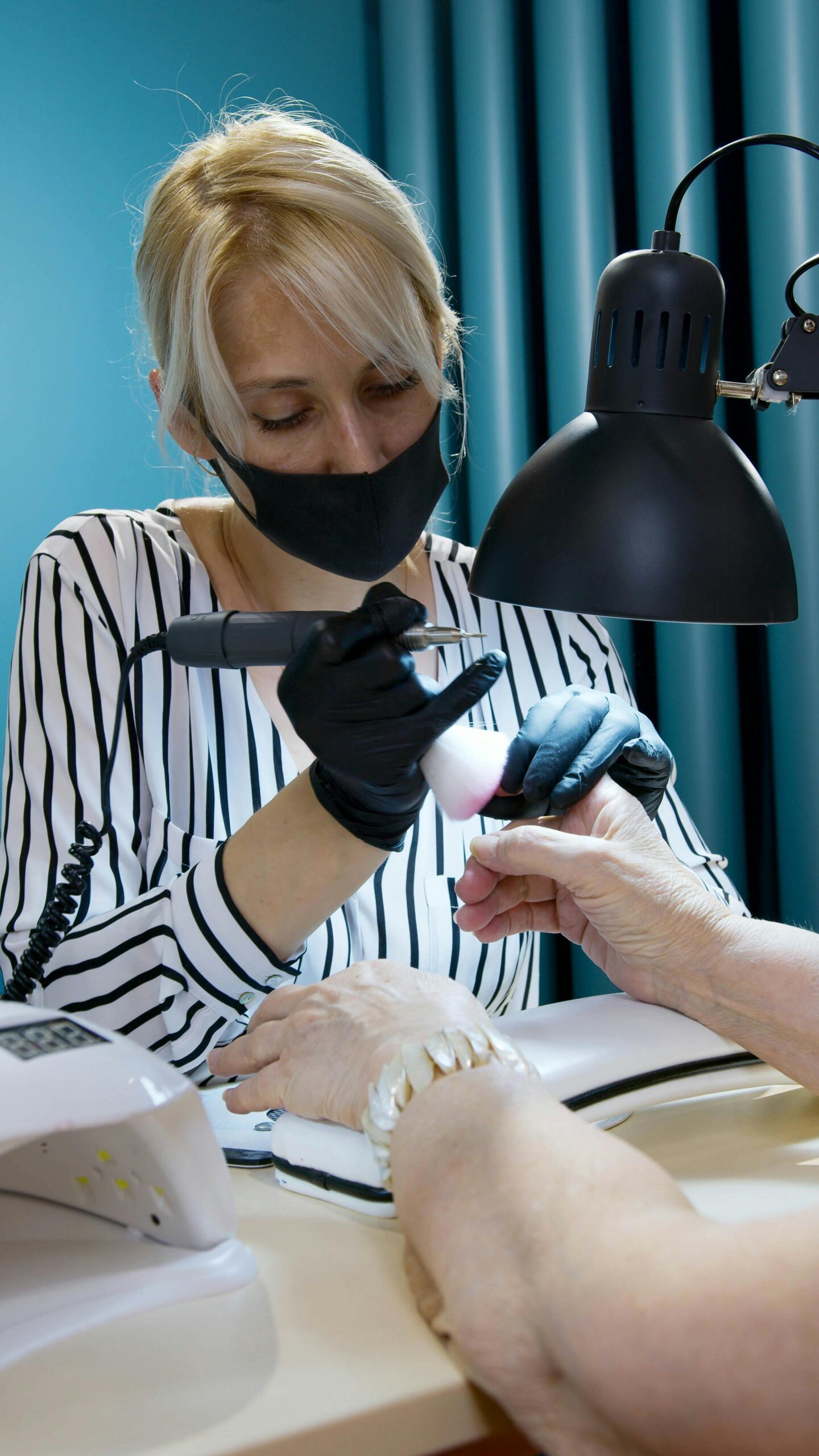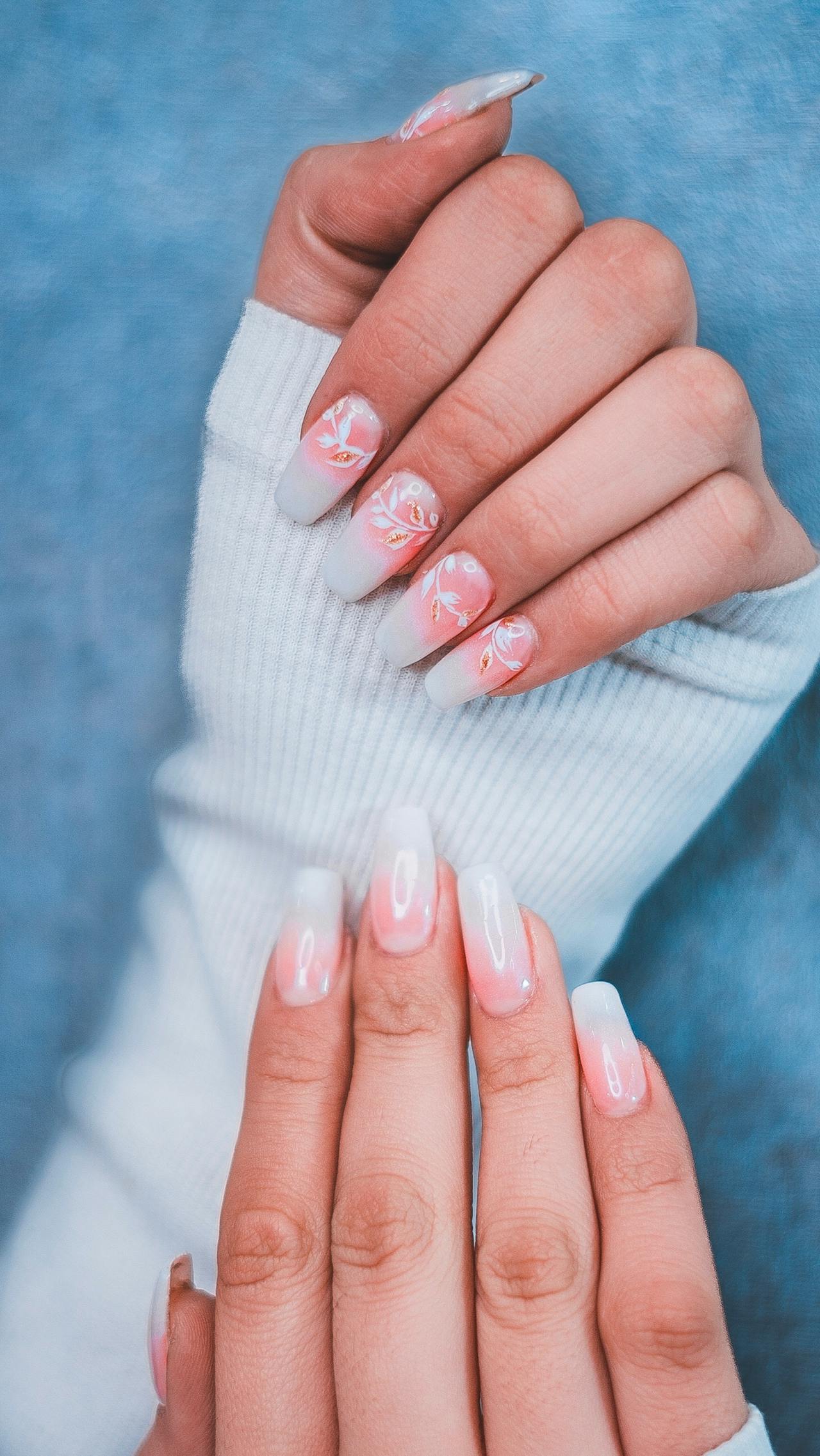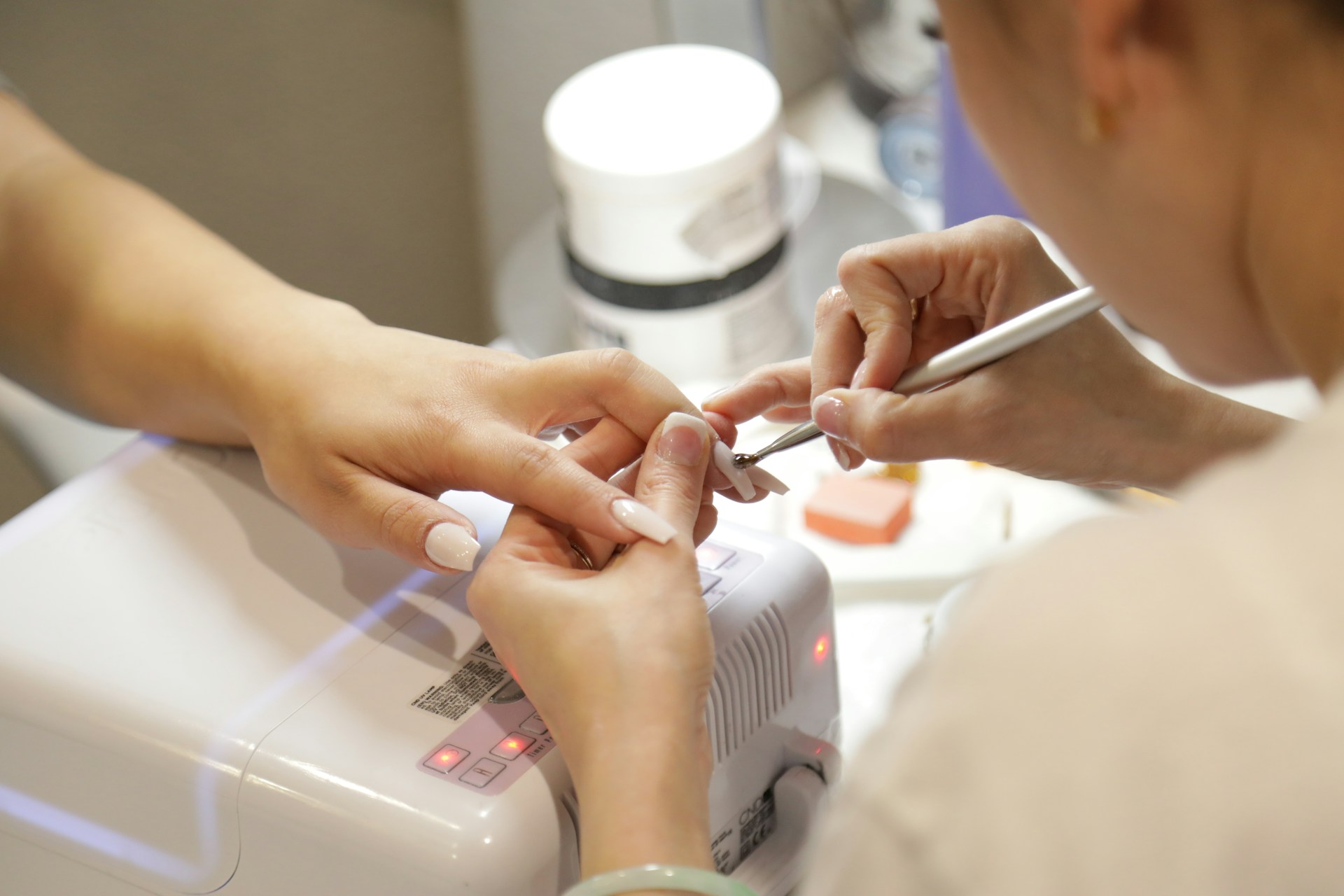
One of the most common questions from students starting their nail tech journey is whether to begin with gel or acrylic nail systems. Both are core professional skills. Both are in high demand across Canada. And both require dedicated practice to master. But the way each technique works, what it demands of the technician, and what kind of clients it attracts are meaningfully different — which makes the decision genuinely worth thinking through before you begin.
This guide explains the key differences between gel and acrylic systems, what Canadian clients typically request, which system tends to suit beginners better, and how a comprehensive nail tech course covers both in a sequenced way that builds technique effectively.
How Acrylic Nails Work
Acrylic nails are created by combining a liquid monomer with a powder polymer to form a workable substance that is applied over the natural nail or a nail form. The mixture sets through a chemical reaction — it does not require UV curing. This means the technician must work efficiently before the product hardens, which is one of the reasons acrylics have a steeper initial learning curve than gel systems.
Acrylic applications offer exceptional durability and are particularly well-suited to nail extensions, where the product forms the structure of a lengthened nail. They have been the industry standard for nail extensions in Canada for decades and remain enormously popular across all age groups and demographics. Many clients specifically request acrylic because they have worn them reliably for years and trust the system.
The challenges of working with acrylics are mainly technical: the monomer has a strong odour that requires good ventilation; the product is less forgiving than gel for beginners learning application and blending; and filing technique is critical for a clean, seamless result. That said, technicians who master acrylics develop some of the strongest foundational skills in the industry — the discipline required translates well to every other system.
How Gel Nail Systems Work
Gel nail systems use a UV or LED-curable formula that is applied to the nail and hardened under a lamp between each layer. Hard gel can be used for extensions; soft gel (including gel polish) is applied over natural nails or enhancements for colour and finish. Gel X — a pre-shaped soft gel extension system — has become extremely popular in Canada over the last three years as a faster, less odorous alternative to traditional acrylics for extensions.
Many instructors and experienced technicians consider gel systems slightly more beginner-friendly than acrylics. The curing process gives you more time to work with the product before it sets, there is no monomer odour to manage, and the consistency of gel behaves more predictably during application. Gel polish application — the most entry-level gel service — is technically approachable for most beginners within a few practice sessions.
The relative limitation of gel versus acrylic for extensions is structural strength: hard gel extensions are generally not as durable as quality acrylic sets under the same conditions. However, Gel X and builder gel systems have significantly closed this gap, and many technicians now build almost entirely in gel without the structural concerns that applied to earlier gel products.
What Canadian Clients Ask For Most
The most requested nail services across Canada vary somewhat by city and demographic, but gel polish — applied over natural nails — is consistently the single highest-volume service at most salons. It is quick, accessible, and suits clients who want a polished look without committing to a major service.
Acrylic extensions remain very popular, particularly among clients who want longer, more structured nails. Gel X and builder gel extensions have grown significantly in popularity, particularly among younger clients, as awareness of these systems has increased through social media. Russian manicure technique has emerged as a premium service requested by clients who want precision cuticle work and immaculate finish quality.
Practically, a nail tech who can offer only gel or only acrylics is limiting their ability to serve the full range of client preferences. A comprehensive service menu that includes natural nail care, gel polish, gel extensions, and acrylic extensions — supplemented by nail art — positions a technician to accommodate virtually any client who walks through the door.
Which Should You Learn First?
The most pragmatic answer for most students: begin with gel polish and natural nail care, then layer in acrylic extensions, then gel extensions. This sequence works because gel polish builds clean product application habits without the time pressure of working with acrylic; natural nail care (manicure and pedicure technique) develops the precise preparation work that all overlay services depend on; and acrylic, once gel fundamentals are established, becomes a more achievable extension of your existing skills.
That said, a quality nail tech course does not ask you to choose — it covers both systems as part of a structured curriculum. You will develop gel skills and acrylic skills in a sequenced way that allows each to reinforce the other. Attempting to learn acrylics with no prior nail service experience is possible but genuinely harder than building gel skills first.
Tools and Kit Differences
Acrylic application requires brushes, liquid monomer, acrylic powder in multiple grades, nail forms or tips, and an electric file for finishing. The smell of monomer means your workspace needs proper ventilation — this is a practical consideration for anyone planning to work from a home studio.
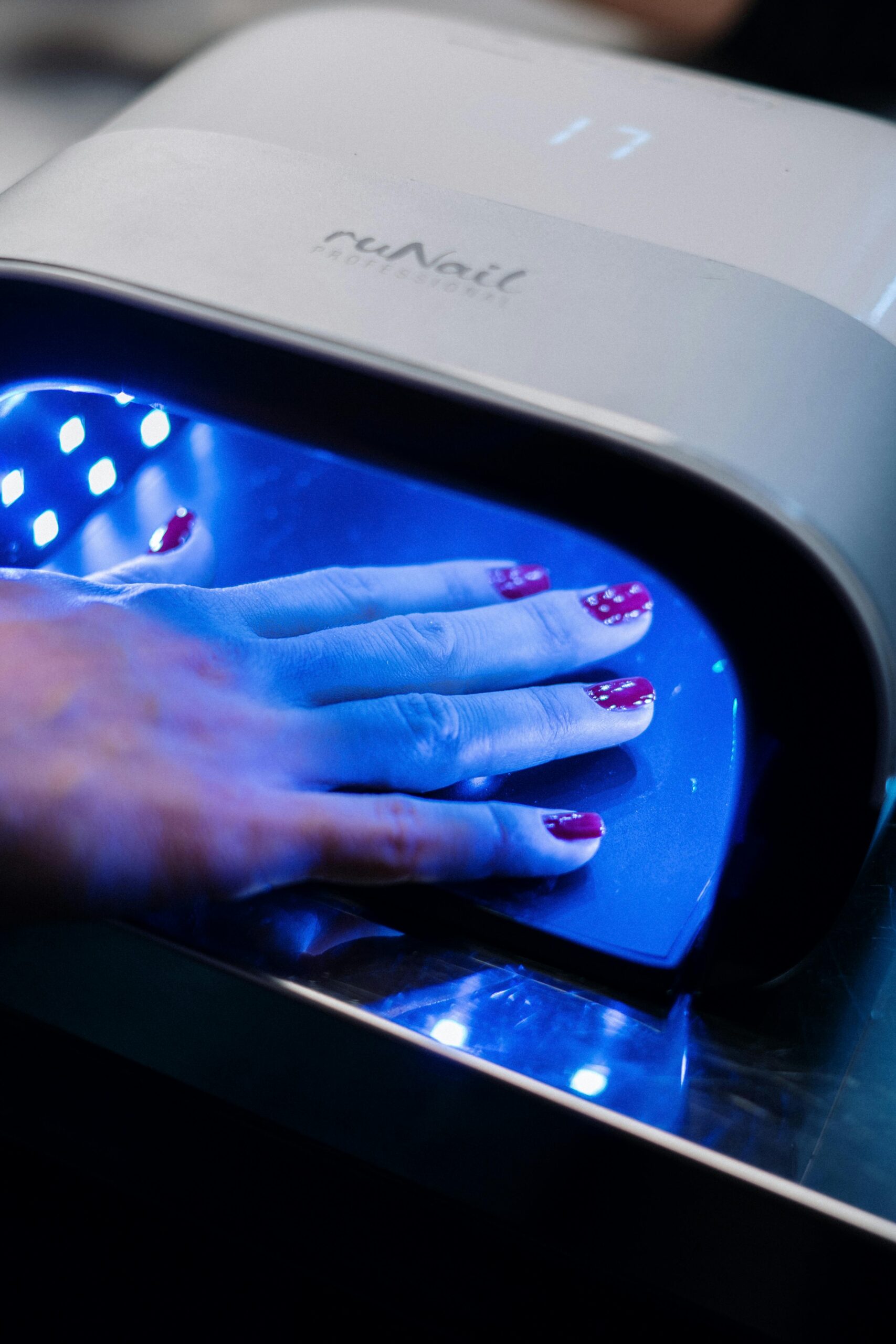
Gel application requires a UV or LED lamp, gel polish in various formulas, gel base and top coats, and for extensions, hard gel or builder gel product, nail forms, and finishing tools. Gel systems are generally more home-studio-friendly from a ventilation standpoint, which is one reason many newly qualified technicians offering home or mobile services start with gel-focused menus.
What a Quality Nail Tech Course Teaches on Both
A comprehensive nail tech course covers both systems in depth — the science behind each product, correct application sequence, common problems and how to fix them (lifting, cracking, service breakdown), safe removal, and how to advise clients on aftercare. Technique alone is not enough; understanding why a product behaves the way it does allows you to troubleshoot in real time rather than simply following steps.
Our Nail Tech Certificate covers gel and acrylic systems within a sequenced curriculum designed to build your skills in the right order. For further reading, our article on acrylic vs gel nails: key differences explained goes deeper on the technical comparisons. And for context on where nail art fits your service menu, see our guide on our Nail Art Certificate.