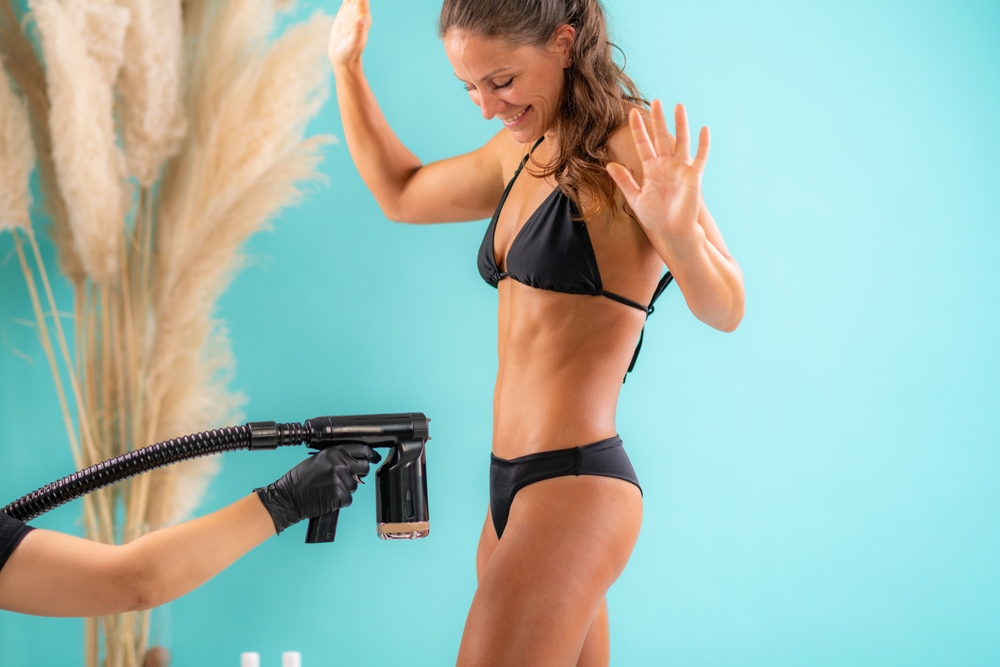
Spray tan contouring has evolved from a red carpet secret to a mainstream service that Canadian clients actively seek. This advanced technique uses strategic darker and lighter tanning solutions to create the illusion of enhanced muscle definition, slimmer waists, and sculpted physiques—all without exercise or surgery. Understanding and offering this service positions you to meet growing demand while commanding premium prices.
The technique draws from makeup contouring principles, applying the same light-and-shadow concepts to the entire body. When executed well, spray tan contouring delivers subtle, natural-looking enhancement that photographs beautifully and boosts client confidence. According to IBISWorld Canada, body contouring services continue gaining popularity across Canadian salons as clients discover the transformative possibilities.
At Canadian Beauty School, our Certificate in Spray Tanning teaches foundational techniques that support advanced services like contouring.
Understanding Spray Tan Contouring
The Principle Behind Contouring
Contouring exploits how we perceive light and shadow. Darker areas appear to recede, while lighter areas appear to advance. By strategically applying darker tan solution to areas we want to minimise and lighter solution to areas we want to highlight, we create optical illusions that reshape appearance.
This isn’t about drastic changes—the most effective contouring is subtle enough to look natural while creating noticeable enhancement. The goal is helping clients look like the best version of themselves, not artificially altered.
What Contouring Can Achieve
Abdominal Definition: Darker solution in the natural shadows between abdominal muscles creates the appearance of more defined abs without gym work.
Waist Slimming: Applying darker solution to the sides of the torso creates the illusion of a narrower waist.
Collarbone Enhancement: Highlighting collarbones with lighter solution and shadowing beneath creates elegant definition in the décolletage area.
Leg Contouring: Strategic application can create the appearance of more toned, defined legs by shadowing the inner thighs and highlighting the quadriceps.
Arm Definition: Darkening the inner arms while highlighting biceps and shoulders creates more muscular-looking arms.
Breast Enhancement: Subtle contouring can create the illusion of fuller, more lifted breasts without surgery.
Limitations to Understand
Contouring works best on fit or average body types where natural shadows exist to enhance. It cannot dramatically transform body shape—expectations should be realistic. The effect is most visible in photos and controlled lighting; harsh daylight may reveal the technique. Results require skilled application; poor contouring looks obvious and unflattering.
Essential Techniques
Solution Selection
Effective contouring requires multiple solution shades:
Base Solution: Your standard solution matched to the client’s desired overall tan shade.
Contour Solution: A darker solution (usually 2-4 shades deeper) for shadow areas.
Highlight Solution: A lighter or more sheer solution for areas you want to bring forward.
Some technicians use bronzing solution mixtures, while others rely on varying DHA percentages. Experiment to find what works best with your preferred product lines.
Mapping the Body
Before picking up your spray gun, assess the client’s body and create a mental (or physical) map of where you’ll apply each solution level. Consider natural muscle definition already present that you can enhance, client goals and specific concerns they want addressed, the event or purpose (photoshoots may warrant more dramatic contouring than everyday wear), and body areas that will be visible (a client wearing a long dress needs less leg contouring than one in a bikini).
Discuss with clients before beginning to ensure you share the same vision for the final result.
Application Method
Start with Base: Apply your standard base tan to the entire body first, creating an even foundation.
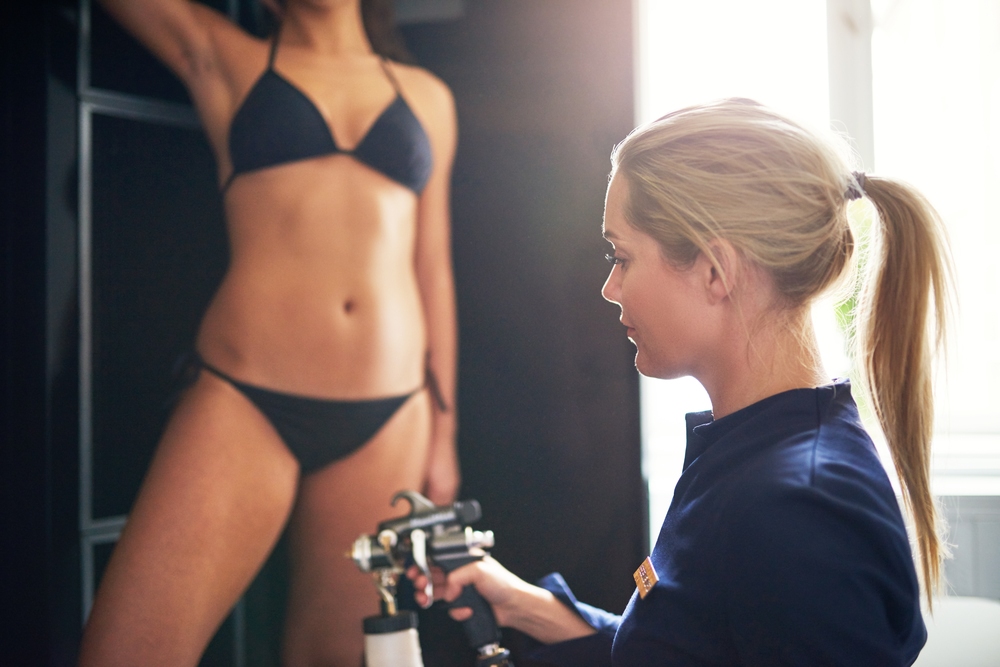
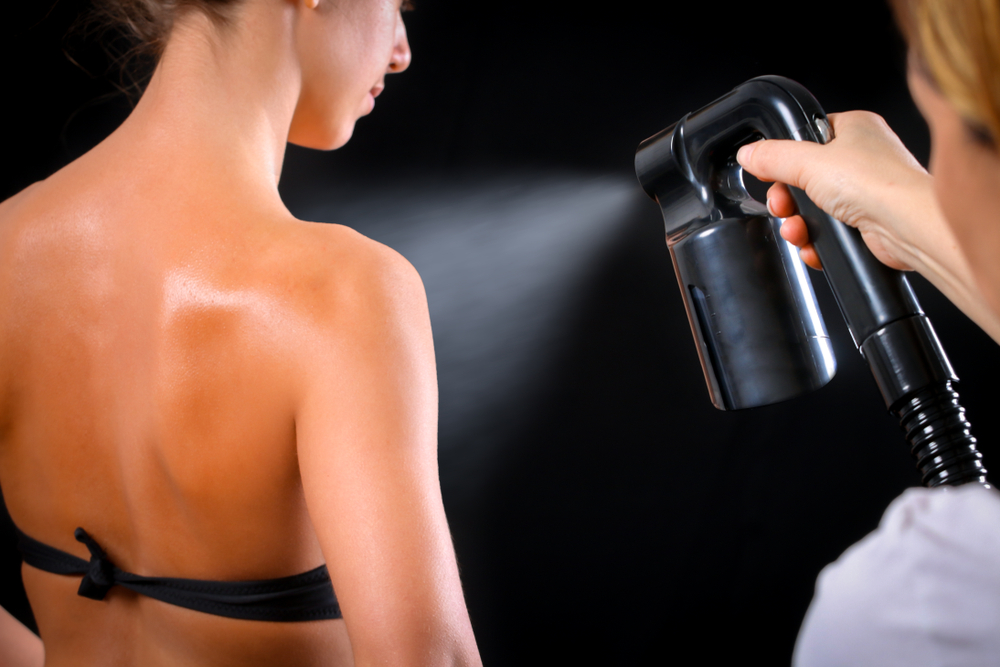
Add Shadows: Using a smaller spray gun or adjusted settings, apply darker solution to shadow areas. Key locations include sides of the torso for waist definition, beneath pectoral muscles and breast tissue, inside of upper arms, inner thighs, beneath the buttocks, and hollows of collarbones.
Add Highlights: Apply lighter solution to areas you want to emphasise. Key locations include tops of shoulders, upper chest and collarbone tops, front of thighs (quadriceps), bicep peaks, and centre of abdominal muscles.
Blend Thoroughly: The difference between professional contouring and obvious striping is blending. Ensure all transitions between shades are gradual and natural-looking.
Equipment Considerations
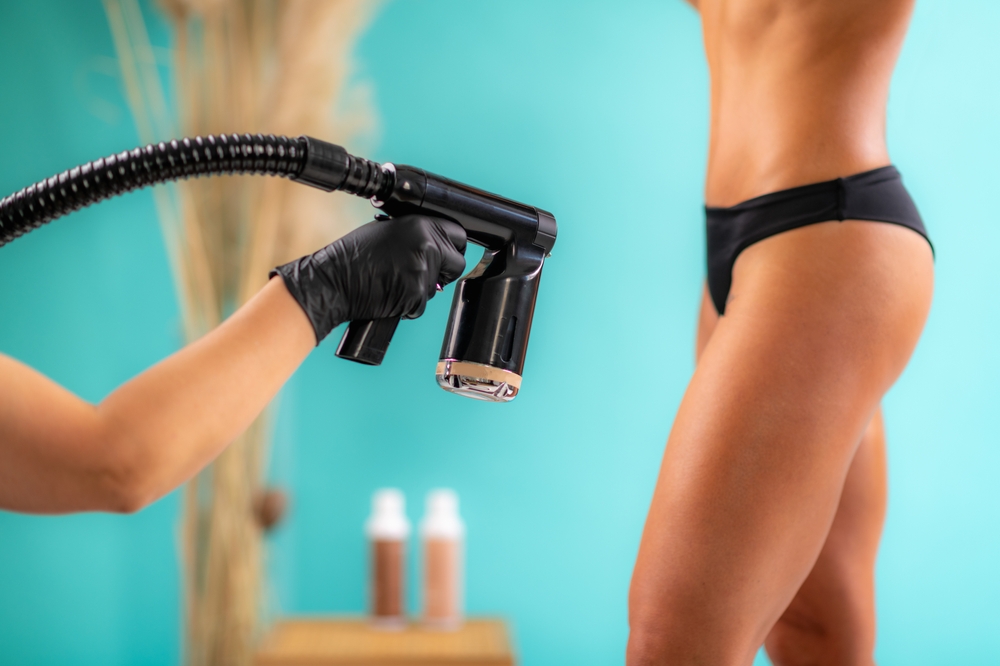
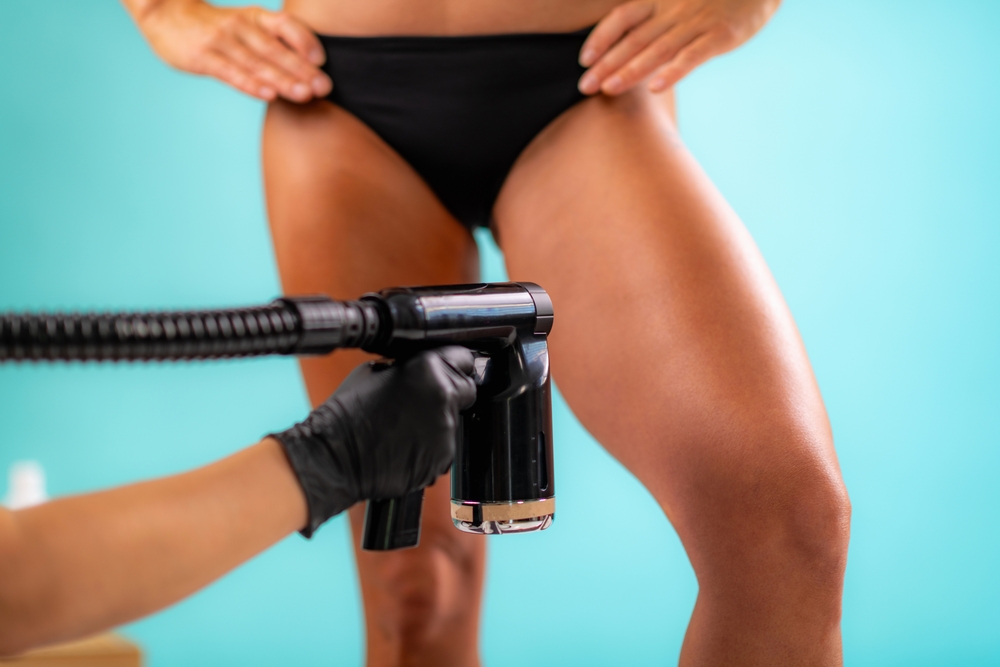
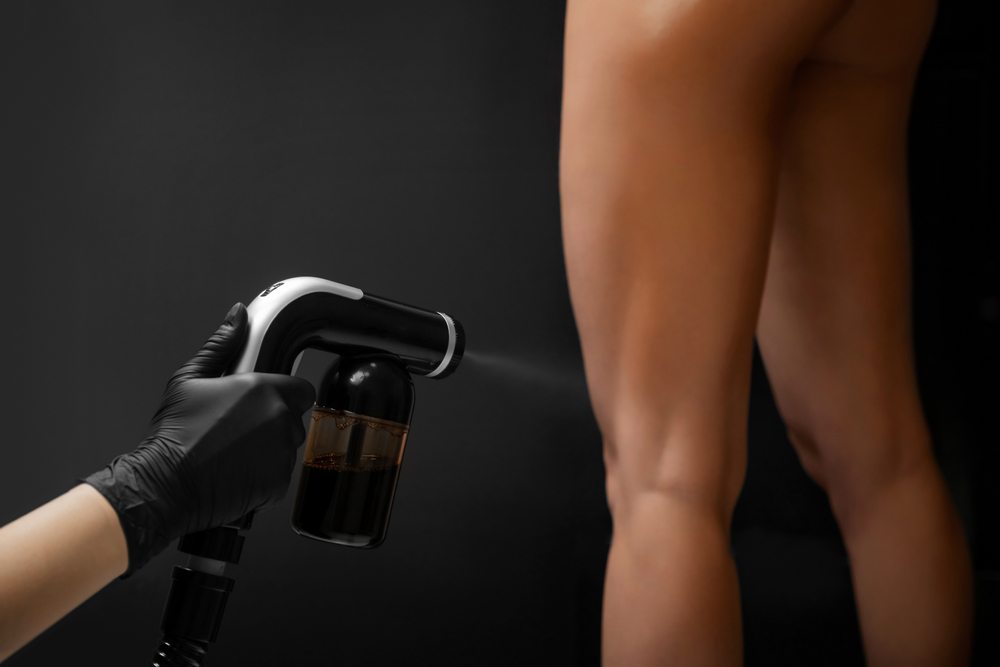
Some technicians use their standard HVLP equipment with adjusted settings for contouring work. Others invest in additional equipment specifically for precision contouring—smaller spray guns that allow more detailed application. An airbrush system provides the most control for intricate work.
Whatever equipment you use, practice extensively before offering the service to paying clients.
Client Consultation
Assessing Suitability
Not every client is an ideal contouring candidate. Consider their base skin tone—very fair or very dark skin may show contouring less effectively. Consider their body type—some natural definition is needed for enhancement. Consider their expectations—ensure they understand what’s achievable. Consider their experience—clients should ideally be comfortable with regular spray tans before adding contouring.
Understanding Goals
Detailed consultation ensures you deliver what clients actually want. Ask specific questions about their goals. Are they preparing for a photoshoot, event, or just everyday wear? Which body areas concern them most? What level of enhancement do they want—subtle or more noticeable? Will they be in photography or video where specific angles matter?
Setting Expectations
Be honest about what contouring can and cannot achieve. Show before and after examples of your work so clients understand realistic outcomes. Explain that results look best in photos and may be more subtle in person. Discuss how lighting affects the appearance of contouring.
Managing expectations prevents disappointment and builds trust.
Common Contouring Challenges
Avoiding Streaks and Lines
The biggest risk in contouring is creating visible lines rather than natural-looking shadows. Prevent this by always blending transitions thoroughly, using gradual shade changes rather than dramatic jumps, keeping your spray gun moving constantly, and practising on yourself or models before client work.
Matching Skin Tones
Contouring solutions must coordinate with the base tan. A contour that’s too dark looks muddy; one that’s too light doesn’t create enough definition. Test your solution combinations to ensure they work together harmoniously.
Consistency Between Sessions
Clients who love their contouring will return wanting the same results. Keep detailed notes on solutions used, techniques applied, and specific areas treated. Consistency builds loyalty.
Longevity Considerations
Contouring fades at the same rate as regular spray tans, typically 5-10 days. Darker contour areas may fade slightly differently than base tan. Educate clients about what to expect as their tan develops and fades.
Pricing Contouring Services
Premium Positioning
Contouring requires additional skill, time, and product. Price accordingly—most technicians charge $25-$75 above their standard spray tan price for contouring services. Some offer packages combining regular tanning with contouring for events like weddings or competitions.
Canadian market rates for spray tan services typically range from $35-$65 for a standard tan, with contouring packages reaching $75-$140 depending on complexity and location. Prices tend to be higher in major urban centres like Toronto, Vancouver, and Calgary.
Value Communication
Help clients understand the value by explaining the additional expertise required, the personalised assessment and application involved, the professional-quality results that photograph beautifully, and the confidence boost from enhanced appearance.
Clients who understand what they’re paying for become advocates for your premium services.
Building Your Contouring Expertise
Practice Extensively
Contouring is an advanced technique requiring significant practice. Work on friends and family before charging clients. Document your work to track progress and build a portfolio. Take additional training if available in your area.
Study Anatomy and Lighting
Understanding muscle anatomy helps you identify where natural shadows fall and how to enhance them. Study lighting principles to understand how your work will appear in different environments. Follow fitness and bodybuilding content to see how professional competitors use tanning contouring.
Develop Your Signature Style
As you gain experience, you’ll develop preferred techniques and approaches. This becomes your signature style that differentiates your services from competitors.
Climate Considerations
Canada’s climate presents unique considerations for spray tanning. During cold winter months, clients may have drier skin requiring additional preparation. Indoor heating can affect tan development and longevity. Summer humidity in some regions may impact application. Understanding these seasonal factors helps you deliver consistent results year-round.
At Canadian Beauty School, our Certificate in Spray Tanning provides the foundational spray tan skills that all advanced techniques build upon. Master the basics first, then expand into premium services like contouring.
Ready to offer premium spray tan services? Our Certificate in Spray Tanning teaches the foundational techniques you need before advancing to contouring. Build your skills, then expand into high-value services that set you apart. Enrol today and start building your tanning expertise.