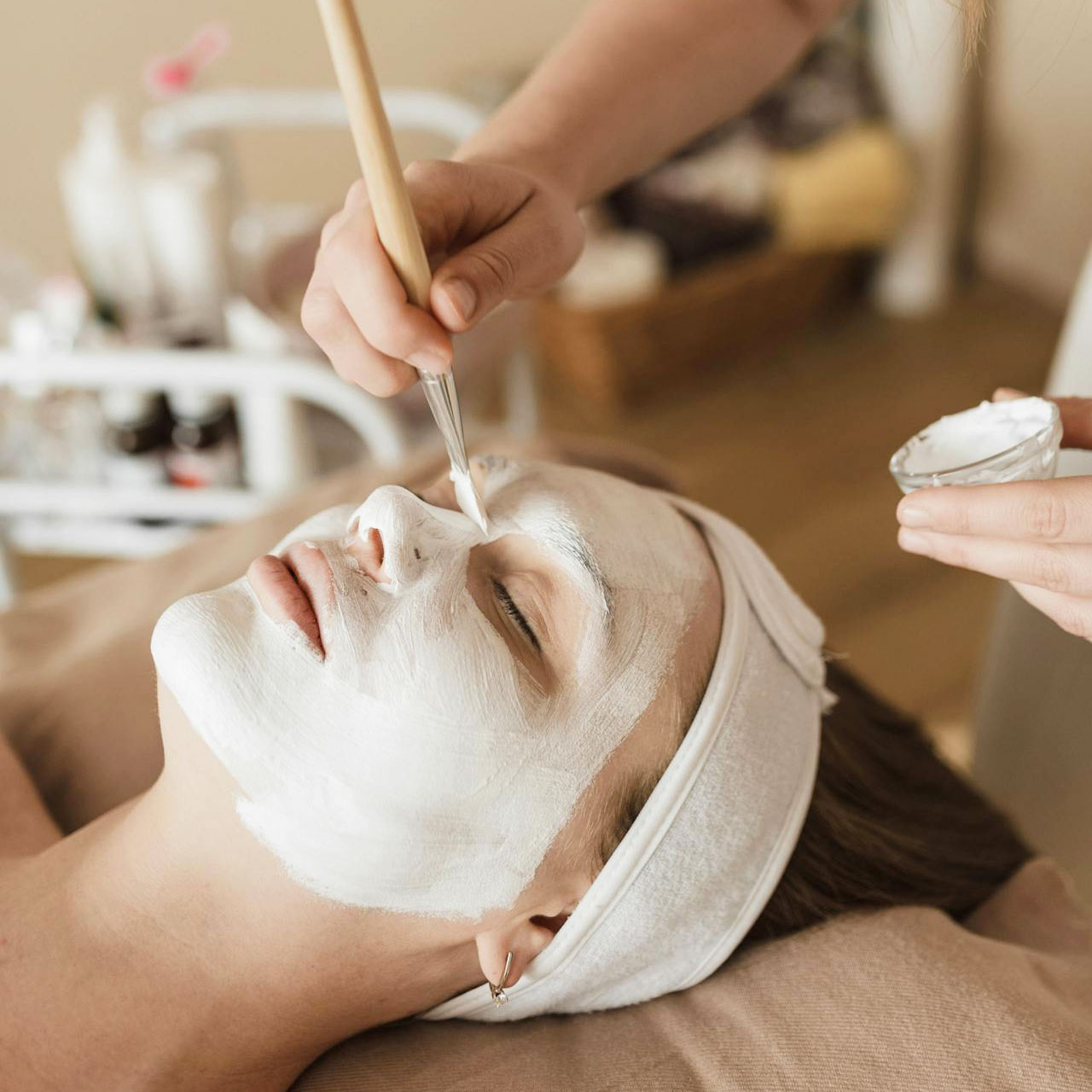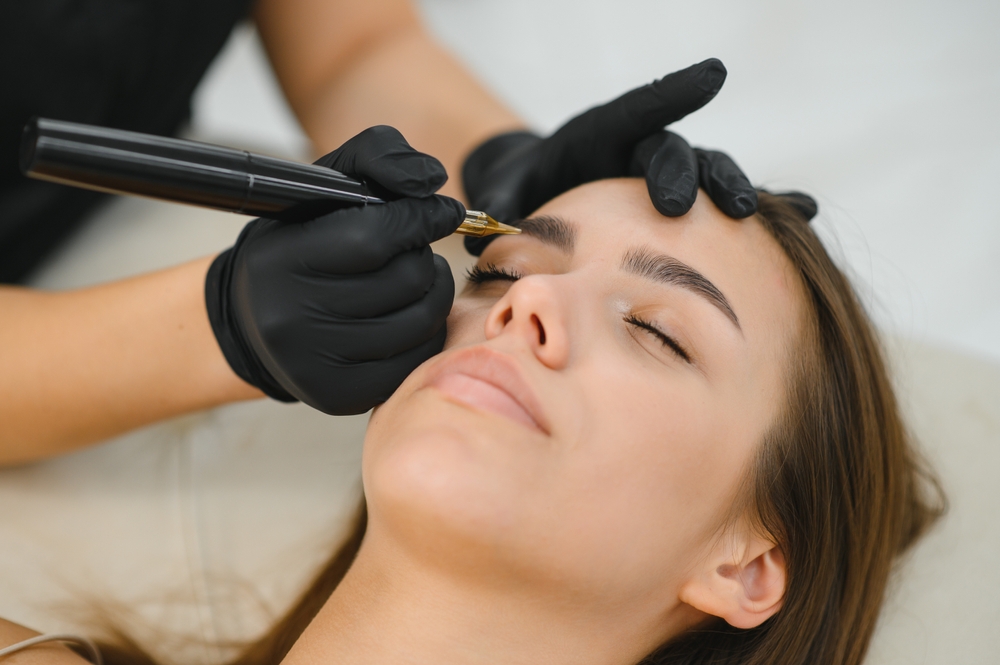
The cost of beauty education shouldn’t prevent you from pursuing your dream career. Whether you’re interested in nail technology, facial treatments, eyebrow services, or lash extensions, accessible financing options exist helping Canadian students afford quality training.
This comprehensive guide explores every financing avenue available to Canadian beauty students, from interest-free payment plans and government grants to student loans and creative budgeting strategies. You’ll learn how to make beauty education affordable regardless of your current financial situation, understand the true cost of training versus expected return on investment, and develop a financial plan that gets you from enrollment to graduation without overwhelming debt.

Understanding Beauty Course Costs in Canada
Before exploring financing options, understanding the actual cost range helps you plan realistically.
Online Beauty Courses
Online training typically offers the most affordable option for Canadian students. Course costs generally include comprehensive curriculum and instruction, professional starter kits with products and tools, ongoing tutor support, and certification upon completion.
Typical pricing ranges include specialized courses (eyebrows, lash lifts, spray tanning) at $2200-$4,500, comprehensive courses (nail tech, facials) at $2,500-$3,900, and multi-service programs combining several specialties at $3,000-$5,000.
For example, Canadian Beauty School’s courses range from $2,095-$3,950 for comprehensive programs including professional kits—significantly more affordable than traditional college-based programs.
In-Person Beauty College Programs
Traditional beauty colleges operating from physical campuses typically cost more due to facility overhead, equipment access, and structured schedules.
In-person program pricing includes tuition ranging from $5,000-$15,000 depending on program length, equipment and kit costs at $500-$2,000, textbooks and materials at $200-$500, and often additional costs for licensing exams, uniforms, or supplies.
Some college programs also require parking fees, transit costs, and potentially childcare expenses if attending during business hours—hidden costs that substantially increase total investment.
Additional Startup Costs
Beyond course fees, budget for initial business setup including professional liability insurance at $300-$600 annually (required before taking clients), business registration and licensing at $100-$300, additional products and supplies replenishing kit contents at $200-$500, and marketing materials including business cards, social media setup at $100-$300.
Total investment from enrollment to accepting your first paying client typically ranges from $2,000-$5,000 for online beauty training or $6,000-$18,000 for college programs—substantial sums requiring financial planning for most Canadians.
Interest-Free Payment Plans
The most accessible financing option for many students is interest-free payment plans breaking course costs into manageable monthly installments.
How Payment Plans Work
Rather than paying full course fees upfront, payment plans spread costs over several months. Typical structures include small initial deposit (often $200-$500) to secure enrollment, monthly payments for 3-12 months depending on total course cost, zero interest charges (unlike credit cards or traditional loans), and automatic payments from your bank account or credit card.
For example, a $2,500 nail course might require $500 deposit then $25 weekly for 24 months—far more manageable than finding $2,000 upfront whilst maintaining your current expenses.
Benefits of Interest-Free Plans
Payment plans offer significant advantages including making education immediately accessible without savings delay, zero additional cost compared to paying in full, ability to maintain emergency savings rather than depleting them, and often no credit check requirements.
Unlike traditional student loans accruing interest throughout schooling, payment plans cost exactly the course price—nothing more. You’re not paying for the privilege of spreading payments.
Canadian Beauty School Payment Options
Canadian Beauty School partners with several payment plan providers offering flexible terms to suit various budgets. Options typically include fortnightly or monthly payment schedules, 3-12 month payment terms depending on course cost, instant approval for most applicants, and ability to pay off early without penalties.
Before enrolling, discuss payment options with admissions advisors who can structure plans matching your budget and timeline.

Government Grants and Funding Programs
Various government programs support Canadian students pursuing vocational training including beauty education.
Provincial Training Grants
Many Canadian provinces offer grants for skills training and career development. While specific programs vary by province, common options include:
Ontario: The Skills Development Fund provides training grants for unemployed or underemployed Ontarians. Second Career program can cover full tuition plus living expenses for eligible individuals transitioning careers.
British Columbia: WorkBC offers training grants and Employment Insurance may provide support during approved training programs.
Alberta: Alberta Supports provides various training and education grants for career transitions.
Quebec: Services Québec offers training assistance for eligible residents.
Other Provinces: Atlantic provinces and prairie provinces have various training support programs administered through provincial employment services.
Eligibility typically requires being Canadian citizen or permanent resident, meeting income or employment status criteria, demonstrating training aligns with labor market needs, and completing application and assessment processes.
Contact your provincial employment services office to explore available programs.
Employment Insurance (EI) Training Support
If you’re receiving Employment Insurance, you may qualify for support during approved training programs allowing continued EI benefits whilst studying, potential extension of benefit period, and in some cases additional training allowances.
This requires approval from Service Canada demonstrating your training improves employment prospects. Beauty training often qualifies given strong demand for skilled technicians across Canada.
Indigenous Training Programs
Indigenous Canadians may access additional funding through federal and provincial Indigenous training programs, band-administered education funding, and specialized skills development grants.
Contact your band office or Indigenous Services Canada to explore available educational funding opportunities.
Student Loans and Credit Options
Traditional student loan programs and credit products offer additional financing routes, though these typically involve interest charges unlike payment plans.
Federal and Provincial Student Loans
Canada Student Loans program provides need-based loans for post-secondary education. However, eligibility for beauty courses varies depending on school accreditation and program type.
Private Career Colleges: If attending accredited private career college, you may qualify for student loans covering tuition, living expenses during full-time study, and books and equipment.
Online Programs: Many online beauty courses don’t qualify for traditional student loans because they’re not offered by designated institutions. However, this isn’t necessarily disadvantageous—avoiding student loan debt often benefits your long-term financial health.
Before pursuing student loans, carefully calculate total cost including interest. Paying $8,000 over time for $5,000 education through high-interest loans dramatically reduces your return on investment.
Personal Lines of Credit
Banks and credit unions offer personal lines of credit providing flexible borrowing up to approved limits, typically lower interest than credit cards, and payment flexibility (interest-only or principal + interest).
Lines of credit work well for education financing if you have solid credit history and income supporting approval, plan to repay relatively quickly, and want flexibility to borrow only what you need as expenses arise.
Interest rates typically range from prime + 2-5% (currently 8-12% annually)—significantly more expensive than interest-free payment plans but more affordable than credit cards.
Credit Cards
Using credit cards for education financing is generally discouraged due to high interest rates (typically 19-22% annually) rapidly accumulating debt, minimum payments barely covering interest, and potential for long-term debt cycle.
However, credit cards might make sense for small amounts you can repay within promotional 0% interest periods (if available) or for final expenses when you’re nearly through training and will start earning soon.
If using credit cards, have concrete repayment plan preventing extended high-interest debt.
Family Loans
Borrowing from family members offers interest-free or low-interest financing, flexible repayment terms, and avoidance of credit checks or formal applications.
If pursuing this route, treat it professionally with written agreement specifying loan amount, repayment schedule, interest (if any), and both parties’ signatures.
Clear documentation prevents misunderstandings and relationship damage. Treat family loans with same seriousness as bank financing.

Creative Financing and Budgeting Strategies
Beyond formal financing programs, creative approaches make beauty education affordable through determined planning and resourcefulness.
Start-and-Save Approach
Rather than borrowing, some students prefer delayed gratification saving for education first by setting monthly savings goals, opening dedicated education savings account, automating transfers each payday, and enrolling once full course cost is saved.
This approach requires discipline and delays career launch but avoids all debt and interest charges. If your timeline isn’t urgent, saving first provides peace of mind and complete financial freedom during training.
Part-Time Work During Training
Online beauty courses’ flexibility allows maintaining employment during studies. Students commonly work full-time whilst studying evenings and weekends, reduce to part-time work during intensive training periods, or continue current employment until near course completion.
Maintaining income during training reduces or eliminates need for loans whilst allowing you to purchase course on payment plan without financial stress.
Selling Unused Items
Many students generate partial or complete course funding through decluttering homes and selling unused items. Possibilities include clothing, electronics, furniture, and sporting goods via online marketplaces (Facebook Marketplace, Kijiji), consignment shops, or garage sales.
Serious decluttering sessions frequently yield $500-$2,000—substantial contribution toward course costs whilst simplifying your space.
Side Hustles and Gig Work
Temporary income increases through additional work accelerate education funding including driving for Uber or ride-sharing (if you have vehicle), food delivery services, freelance work in your current skillset, tutoring or teaching, and pet-sitting or dog-walking.
Even 5-10 hours weekly of supplementary income at $20/hour generates $400-$800 monthly—enough to cover course payment plans whilst maintaining your regular job.
Budgeting and Expense Reduction
Temporarily reducing expenses frees money for education investment. Areas to trim include dining out and entertainment, subscription services you rarely use, expensive gym memberships (substitute home workouts), daily coffee purchases, and vehicle expenses (considering public transit temporarily).
According to Statistics Canada household spending data, average Canadian households could reduce spending by $200-$500 monthly through conscious budgeting—often enough to cover course payments without additional income.
Tax Deductions and Credits
Keep receipts for educational expenses. If your beauty training qualifies as career-related education, you may claim tuition tax credits, education-related supply costs, and equipment purchases.
Consult Canada Revenue Agency’s guidelines or tax professional about claiming education expenses. While this doesn’t reduce immediate costs, tax refunds help offset total investment.

Calculating Your Return on Investment
Understanding expected earnings helps justify educational investment and maintain motivation during payment periods.
Beauty Career Earning Potential
Canadian beauty professionals’ earnings vary by specialization, experience, and location, but general ranges include:
Nail Technicians: Entry-level at $30,000-$40,000 annually, experienced at $45,000-$65,000 annually, and business owners at $60,000-$90,000+ annually.
Eyebrow Specialists: Entry-level at $28,000-$38,000 annually, experienced at $40,000-$60,000 annually, and specialists in major cities at $55,000-$75,000+ annually.
Facial Specialists: Entry-level at $32,000-$42,000 annually, experienced at $45,000-$65,000 annually, and spa managers or business owners at $65,000-$90,000+ annually.
Lash Technicians: Entry-level at $35,000-$45,000 annually, experienced at $50,000-$70,000 annually, and high-volume specialists at $70,000-$100,000+ annually.
These represent employee earnings. Self-employed professionals often earn significantly more though they also bear business costs.
Payback Period Calculation
Consider a $2,500 investment in comprehensive nail tech training. If you start at $35,000 annually versus your current $28,000 in unrelated work, the $7,000 annual increase recovers your investment in under 5 months.
Even conservative projections show beauty education typically pays for itself within 6-12 months of beginning work—exceptional return on investment compared to many career paths requiring years to recover educational costs.
Lifetime Earnings Increase
Beyond immediate payback, beauty qualifications increase lifetime earnings substantially. Assuming 30-year career and conservative $10,000 annual income increase over unskilled work, your $2,500-$5,000 educational investment yields $300,000+ additional lifetime earnings—stunning 6000-12,000% return.
This perspective helps justify taking payment plans, using modest borrowing, or delaying other purchases to invest in quality training. Few investments offer comparable returns.
Making Your Financial Plan
Combining information about costs, financing options, and expected returns, create personalized financial plan for beauty education.
Step 1: Calculate Total Investment
Determine true cost including course tuition and fees, professional kit and supplies, insurance and business registration, initial marketing and business setup, and living expenses during training if reducing work hours.
Be realistic and comprehensive—underestimating costs creates stress when unexpected expenses arise.
Step 2: Assess Your Resources
Inventory available funding including current savings applicable to education, monthly amount available for payments, family support or loans, government grants you qualify for, and credit available (though ideally avoided).
Understanding resources helps identify gaps requiring creative solutions.
Step 3: Bridge the Gap
If resources don’t cover total costs, strategies include extending payment plan timeframe reducing monthly amounts, maintaining or increasing current employment during training, temporary expense reduction freeing monthly budget, selling unused items generating lump sum, or starting with lower-cost course adding specializations later.
Most financial gaps can be bridged through creative combination of approaches rather than single solution.
Step 4: Create Timeline
Develop realistic timeline including decision date and course enrollment, payment schedule start date, course completion target date, and career launch date with first paying clients.
Timeline creates accountability and helps maintain focus during payment periods and training.
Step 5: Plan for Business Launch
Budget business startup costs separate from training including initial liability insurance premium, business registration and licensing, first product restocking purchases, marketing and business card printing, and small emergency fund for unexpected costs.
Starting business without adequate capital creates stress and may delay client acceptance. Include business launch costs in overall financial planning.

Taking Action
Understanding financing options is valuable, but action creates results. Follow these steps to make your beauty education financially achievable:
Research Specific Costs: Get exact pricing from schools you’re considering including all fees, kit costs, and additional expenses.
Explore Government Programs: Contact provincial employment services about available training grants and support programs.
Discuss Payment Plans: Talk with school admissions about flexible payment options and terms.
Create Detailed Budget: Calculate how much you can realistically allocate to education monthly without unmanageable stress.
Make Commitment: Once you’ve created viable financial plan, commit and take action. Waiting for “perfect” circumstances means indefinite delay—adequate planning combined with commitment is sufficient.
The cost of quality beauty education is modest compared to many career paths, return on investment is exceptional, and financing options make training accessible regardless of current financial situation. The only question is whether you’ll take action to make it happen.
Ready to begin your beauty career? Canadian Beauty School offers comprehensive online training with flexible payment plans making education accessible to Canadian students regardless of financial situation. Choose from nail technology, facials, eyebrow services, or lash extensions—all with interest-free payment options and comprehensive support. Don’t let finances delay your dream career. Explore our courses and discover how affordable quality beauty education can be with smart planning and flexible payment terms. For more guidance on different aspects of your beauty career, read our comprehensive guides on nail courses in Toronto, choosing eyebrow courses in Ontario, and online versus in-person training formats.