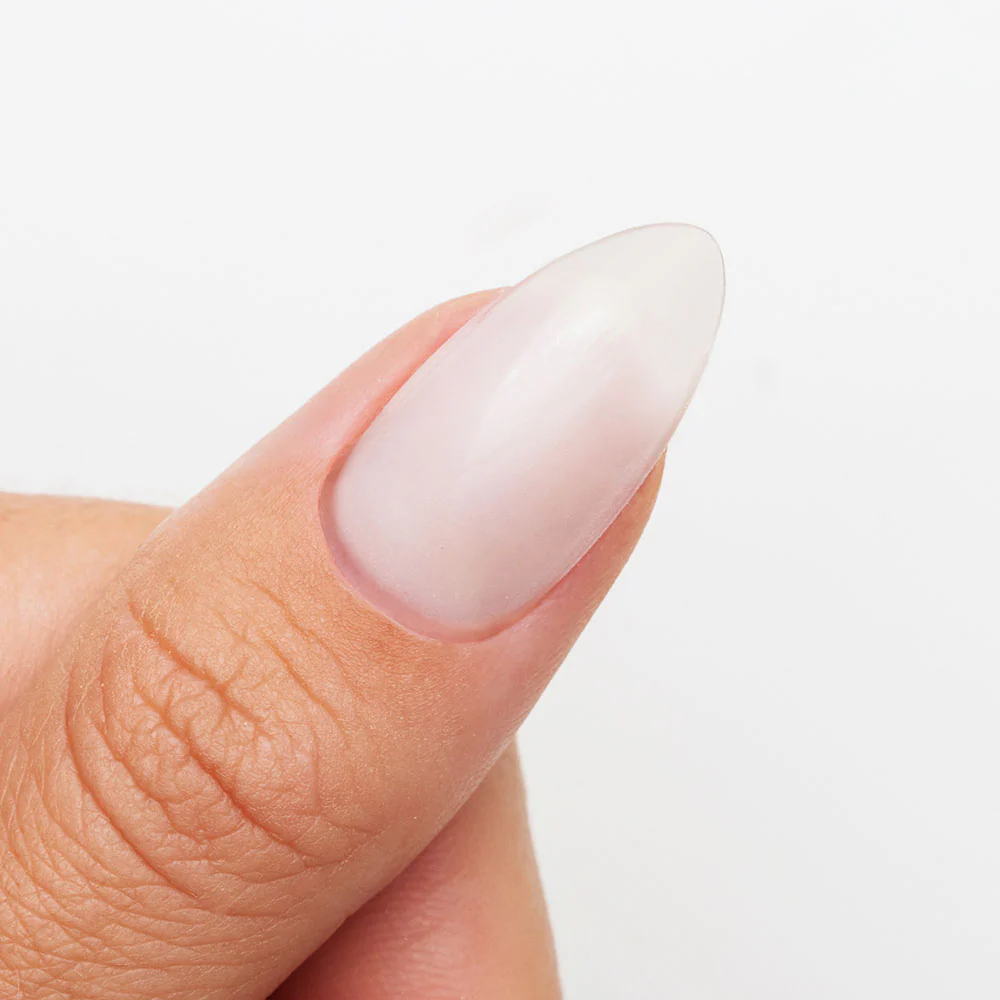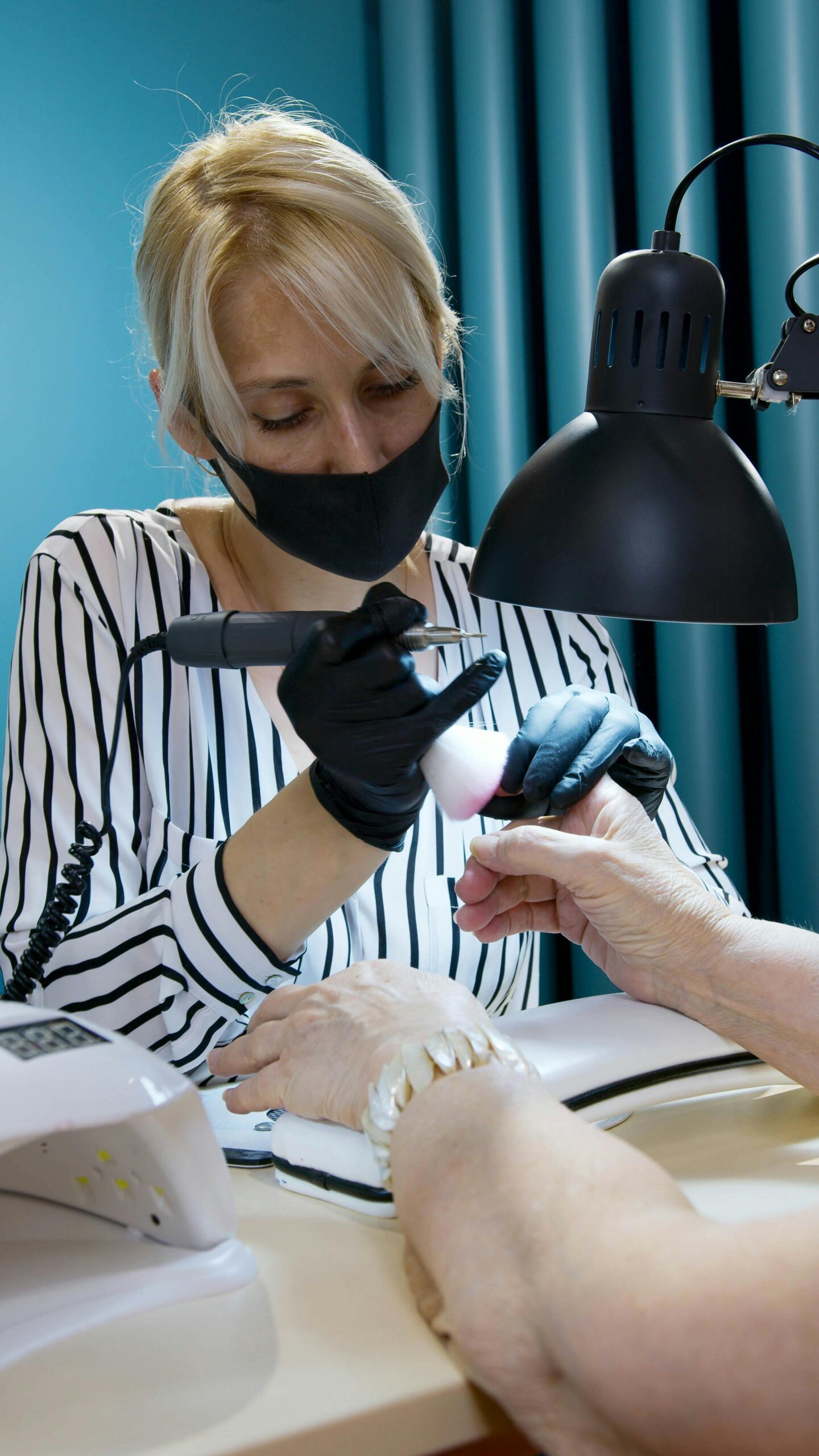
Acrylic nails are made by mixing liquid monomer and powder polymer, creating a durable, sculptable extension that air dries. Gel nails use a liquid resin cured under UV or LED light, offering a more flexible, glossy, and natural-looking finish. Both have pros and cons, and the best option depends on nail condition, lifestyle, and personal preference.
Choosing between acrylic and gel nails can be overwhelming, especially for beginners or aspiring nail technicians entering the Canadian beauty industry. Both are popular, long-lasting nail enhancements that dominate salon menus across the country, but they differ significantly in how they’re made, how they wear, and how they’re maintained.
At Canadian Beauty School, we train future nail professionals to understand these distinctions inside and out through our comprehensive Certificate in Nail Tech. This knowledge allows technicians to recommend the right service for each client’s unique needs and build trust through expertise.
How Acrylic Nails Work
Acrylic nails are a strong, sculpted type of artificial nail enhancement created by combining a liquid monomer with a powder polymer. The chemical reaction between these two components creates a malleable paste that can be shaped before hardening:
The nail surface is prepped by gently buffing and cleaning to create texture for adhesion. Proper prep is essential—skipping this step leads to lifting and poor retention. An acrylic bead is formed by mixing monomer and polymer on a brush in precise ratios. The ratio affects the consistency and workability of the product.
The paste is applied and shaped on the nail or extension tip while still workable. Technicians have a limited window before the product hardens, requiring skill and speed. The mixture air dries and hardens through a chemical reaction called polymerization without the need for curing lamps.
The result is a hard, durable enhancement that can withstand significant daily wear. Acrylics have been the industry standard for decades and remain popular for their strength, versatility, and ability to create dramatic lengths.
Advantages of Acrylics
According to the American Academy of Dermatology, acrylics are the strongest nail enhancement option available on the market. They’re ideal for:
Clients who want significant length additions that will withstand active lifestyles without breaking. Those with naturally weak or brittle nails who need maximum reinforcement to prevent breakage. Creating dramatic nail art designs that require a sturdy canvas that won’t flex or bend.
Clients who prefer harder, more rigid nails with a substantial feel. Some clients prefer the solid, weighty feel of acrylics compared to lighter options.
Acrylics are also highly versatile—they can be shaped into any length or form, from natural-looking overlays to dramatic stiletto extensions.
Disadvantages of Acrylics
The application process produces a strong chemical odour from the monomer that some clients and technicians find unpleasant. Proper ventilation is essential in salons offering acrylic services, and some clients with chemical sensitivities may not tolerate the smell.
Acrylics can look less natural if applied too thick, requiring skilled technique to achieve elegant results. The learning curve for acrylic application is steeper than for gel systems.
The removal process can be harsher on natural nails if done improperly, requiring extended soaking in acetone and careful technique to avoid damage.
How Gel Nails Work
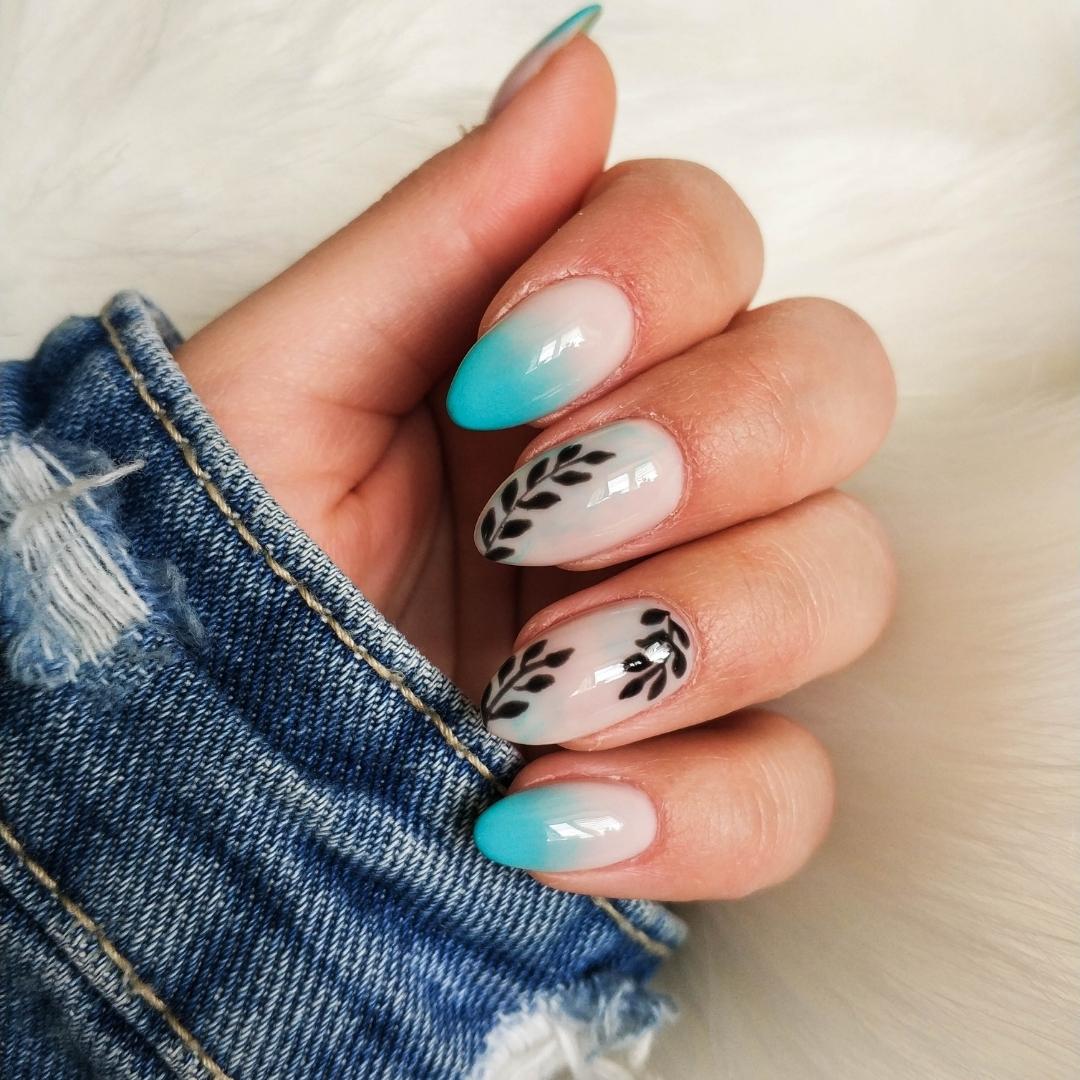
Gel nails use a pre-mixed gel formula that’s applied in layers and cured under UV or LED light. The curing process hardens each layer through a chemical reaction called photopolymerization:
A base coat is applied and cured under the lamp for 30-60 seconds. This layer bonds to the natural nail and provides a foundation for colour. Colour layers are applied and cured individually, building colour intensity gradually.
A top coat seals the colour and adds shine that lasts throughout the wear period. Each layer requires separate curing under the lamp for complete hardening.
Gel systems come in various forms, from soak-off gel polish to builder gels that can create extensions. The technology has advanced significantly in recent years, offering options for virtually every client need.
Advantages of Gels
Gel nails offer a more natural, flexible finish that moves with the nail and feels lighter than acrylics. Many clients find gels more comfortable for everyday wear. There’s no strong odour during application, making it more pleasant for both technician and client.
The glossier appearance often requires no extra top coat, and properly applied gel maintains its shine throughout the wear period without dulling. When applied and removed correctly, gels are gentler on natural nails than acrylics.
The application process is often considered more beginner-friendly than acrylics, with more forgiving timing and easier correction of mistakes.
Disadvantages of Gels
Gel nails are generally less durable than acrylics and may chip or lift sooner under heavy use or impact. UV lamp exposure has raised some concerns, though LED options significantly reduce exposure time.
Gel services can be more expensive due to product costs and the specialized equipment required. Some gel systems are more difficult to remove than others, requiring careful attention to product selection and proper removal techniques.
Key Differences Compared
Durability
Acrylics last 2-3 weeks before needing fills, and many clients stretch this to 4 weeks with proper care. Gel can last up to 3-4 weeks with proper care but may lift or chip earlier. Acrylics are significantly more resistant to breakage and impact damage.
Appearance
Gel provides a glossier, more natural look that mimics healthy nail shine. Acrylics can be thicker and more dramatic, which some clients prefer for statement looks and elaborate nail art.
Application
Acrylics require more skill to sculpt properly and have a steeper learning curve. The timing and ratio must be precise. Gel is generally easier for beginners to apply with consistent results. Both require proper training for professional-quality results.
Removal
Both systems require professional removal to avoid nail damage—picking or peeling off either type causes significant harm to the natural nail plate. Acrylics are soaked off in acetone, typically taking 20-30 minutes. Gel removal varies by product type but often requires filing plus soaking.
Maintenance
Acrylics may require more frequent fills as the nail grows out, with the demarcation line becoming visible. Gel maintenance varies by system, with some requiring full removal and reapplication.

Which Is Better for Damaged Nails?
Acrylic is stronger and can provide more structural support for damaged nails. But gel can be safer if the nail beds are thin or damaged, as it’s generally gentler on the natural nail and doesn’t require as much buffing during prep.
For clients with very damaged nails, consider whether enhancements are appropriate at all—sometimes a period of nail care and recovery produces better long-term results than immediately applying product.
A thorough consultation helps determine the best option for each client’s specific situation and nail health history.
Can You Use Both Systems?
Absolutely. You can combine both by using acrylics for structure, topped with a gel overlay for shine—the best of both worlds. This hybrid approach is popular among nail technicians and clients alike who want the durability of acrylic with the glossy finish of gel.
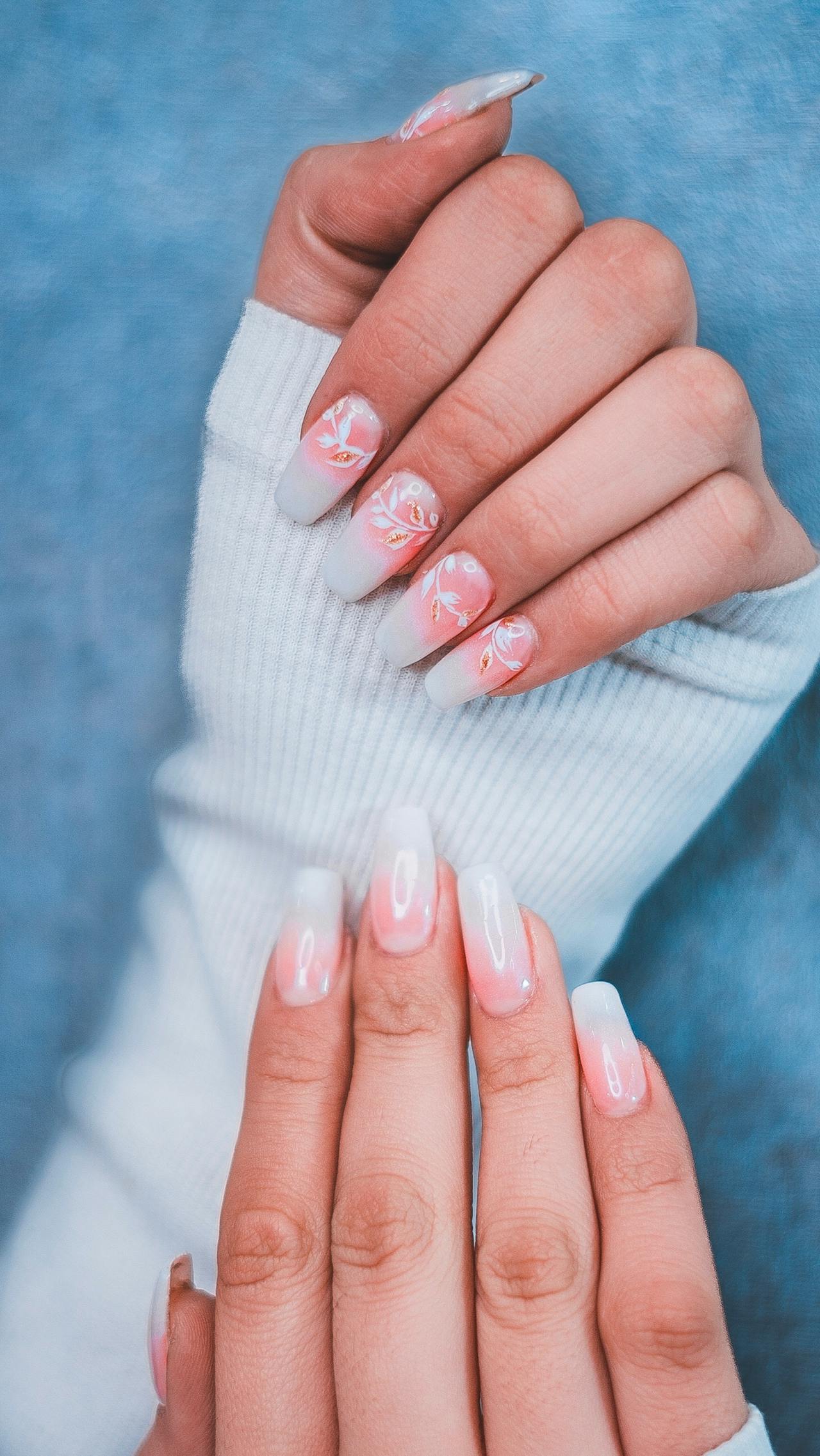
Both are great canvases for nail art, though techniques may differ. Our Nail Art & Design Course covers techniques for both acrylic and gel surfaces, preparing you to create stunning designs regardless of the underlying system.
Making the Right Choice
Understanding the difference between acrylic and gel nails is essential for any aspiring or practicing nail technician in Canada. Each type has unique benefits and drawbacks, and the right choice depends on:
The client’s nail condition and health history. Their desired length, style, and aesthetic preferences. Daily activities and lifestyle factors that affect nail wear. Budget and maintenance preferences for ongoing appointments. Personal comfort with product feel and weight.
As a professional, your role is to assess all these factors and guide clients toward the best choice for their specific needs—not simply recommend what’s easiest or most profitable.