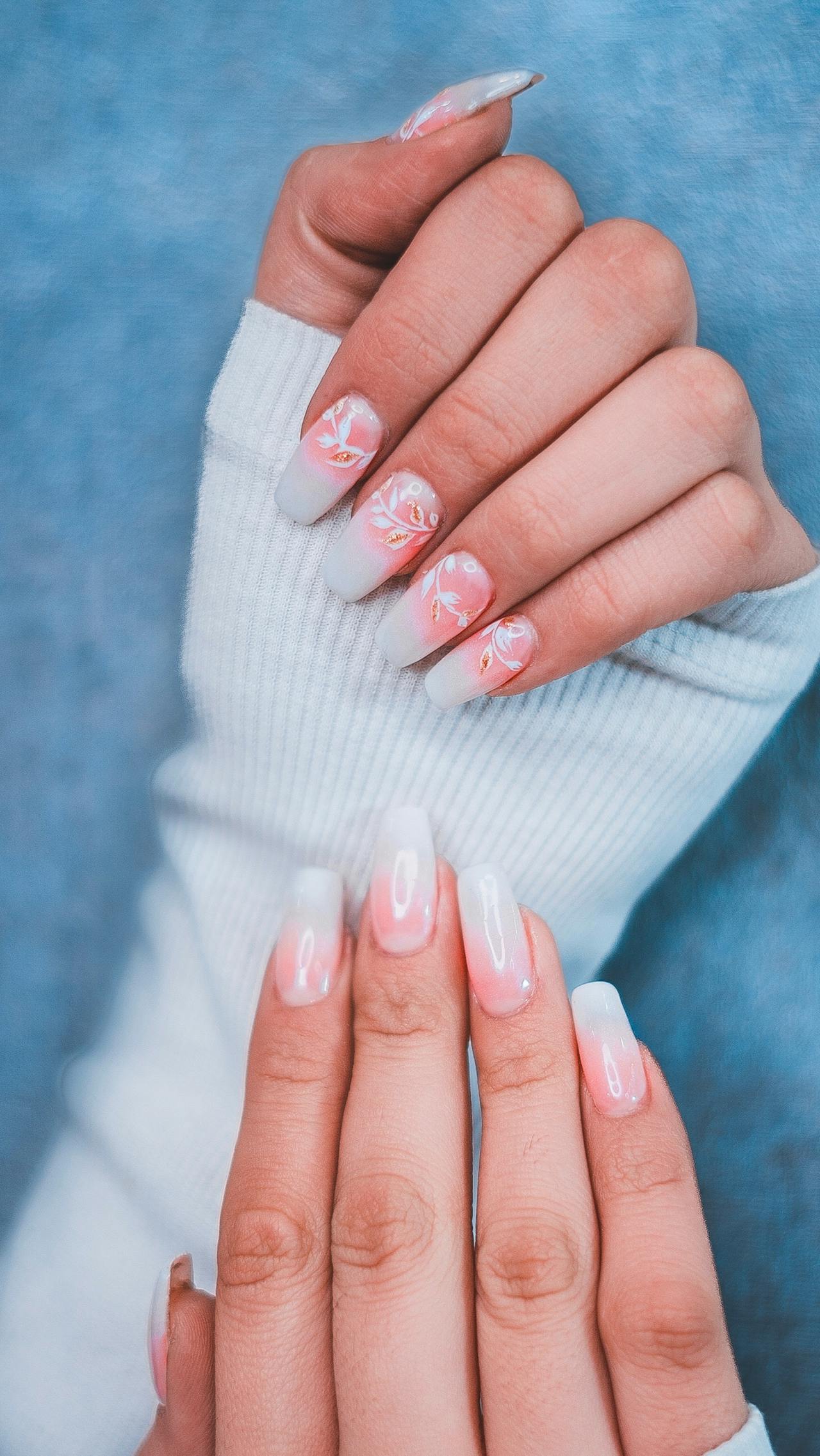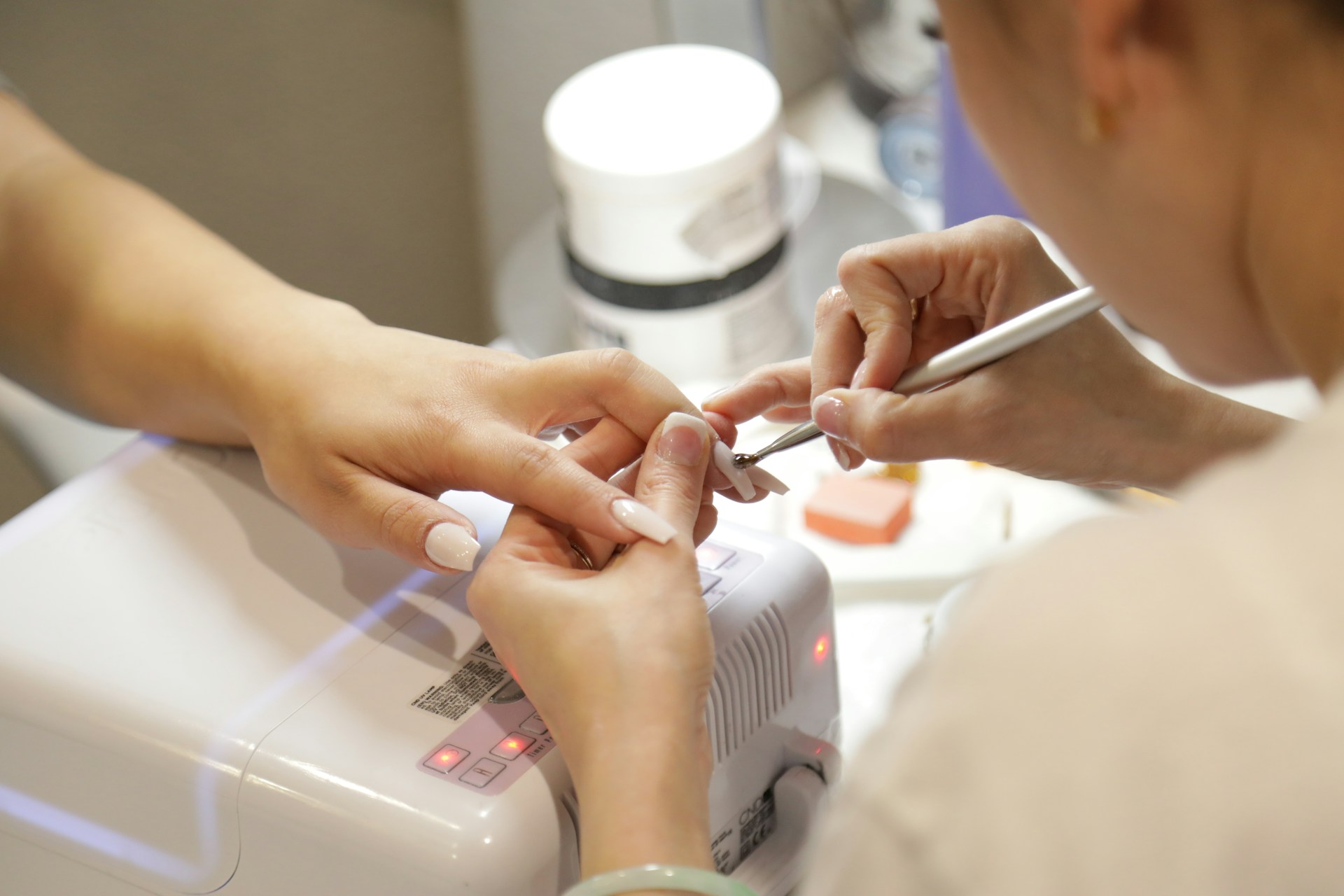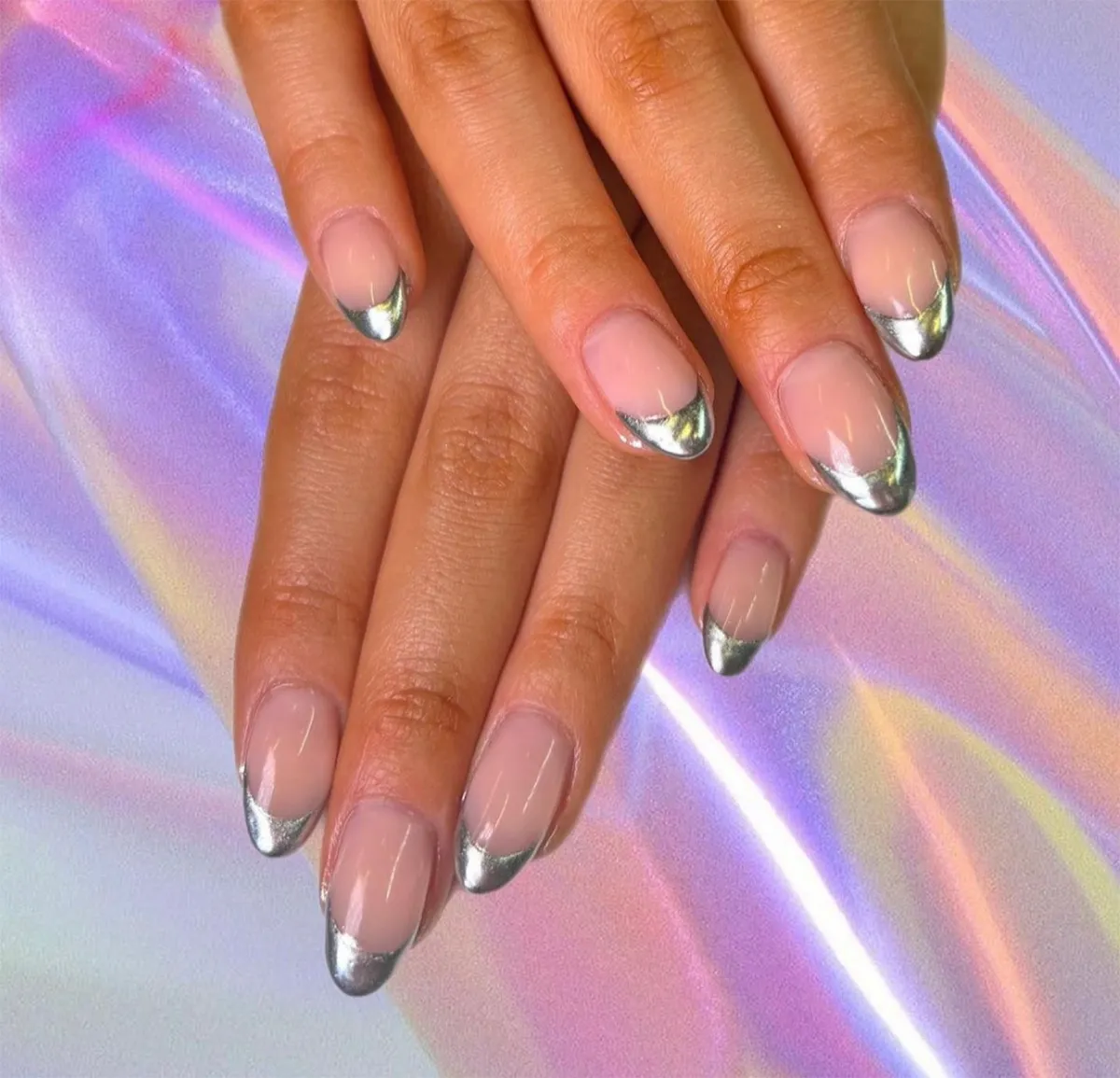
The eternal debate in the nail industry—gel versus acrylic—isn’t just theoretical. For aspiring nail technicians, understanding both systems deeply is essential for career success. Your clients will ask which they should choose. Salons will expect you to perform both. Your earning potential depends on mastering diverse techniques that serve different client needs and preferences.
Quality nail technician training must comprehensively cover both gel and acrylic systems, teaching not just how to apply them, but when to recommend each, how they differ chemically and aesthetically, and how to troubleshoot common issues with both materials.
This comprehensive guide explores what your nail course should teach you about gel and acrylic systems, helping you evaluate training programs and understand the depth of knowledge required for professional competency.
Why Both Systems Matter
Before diving into what you should learn, understanding why both gel and acrylic expertise matter helps you appreciate comprehensive training’s importance.
Client Preference Diversity
Some clients strongly prefer gel nails’ natural appearance and lighter feel. Others swear by acrylics’ durability and strength. Many clients don’t know which they prefer until you educate them about the differences and help them choose based on their lifestyle, natural nail condition, and aesthetic preferences.
According to industry research from Nails Magazine, successful nail technicians offer both enhancement systems to serve diverse client needs. Nail technicians who can only perform one system turn away roughly half their potential clients. Those who master both serve everyone, maximizing their market opportunity.
Service Menu Breadth
Salons expect employed nail technicians to offer complete service menus including both gel and acrylic enhancements. Limiting yourself to one system significantly reduces your employability and earning potential within salon environments.
Self-employed technicians benefit equally from dual expertise. Comprehensive service menus attract more diverse clientele and allow you to recommend the genuinely best option for each client rather than pushing them toward your sole capability.
Different Applications for Different Needs
Gel and acrylic systems each excel in specific situations. Gels work beautifully for clients wanting natural-looking enhancements, those with healthy natural nails needing moderate extension, and anyone concerned about strong chemical odours associated with traditional acrylics.
Acrylics are superior for clients needing significant nail strength or length, those with very weak or damaged natural nails requiring substantial reinforcement, and situations requiring maximum durability like manual labour or frequent water exposure.
Professional nail technicians assess individual client circumstances and recommend appropriate systems rather than applying one-size-fits-all solutions.
Market Trends and Innovation
The nail industry constantly evolves with new products and techniques. Currently, soft gels and gel-X systems are trending heavily. However, acrylics remain enormously popular, and hard gels are experiencing resurgence.
Comprehensive training in both systems provides foundation for learning new variations and products as they emerge, ensuring your skills remain current throughout your career.

What You Should Learn About Acrylic Nails
Acrylic systems—combining liquid monomer with powder polymer to create sculptured enhancements—have been nail industry workhorses for decades. Comprehensive acrylic training should cover multiple essential areas.
Understanding the Chemical Process Behind Acrylic Nails
Understanding the chemical process behind acrylic nails helps you work more effectively and troubleshoot problems. Your nail course should explain how liquid monomer and powder polymer chemically react, the polymerization process that hardens the mixture, how temperature and humidity affect working time and curing, and why proper ratios matter for strength and flexibility.
For a deeper understanding of the chemistry involved, the American Chemical Society provides educational resources about polymer chemistry that can enhance your technical knowledge.
This foundational chemistry knowledge explains why acrylic behaves differently in various conditions and helps you adapt your technique to environmental factors like cold winters or humid summers.
Application Techniques
Comprehensive acrylic training covers proper nail preparation including pushing back cuticles, removing shine from natural nail plate, and applying primers or binders correctly.
You’ll learn bead consistency and placement, understanding dry, medium, and wet bead ratios, where to place beads for optimal structure, and how to work beads into proper apex and sidewall shapes.
Filing and shaping instruction teaches proper file holds and angles, creating C-curves and apex points, shaping various nail styles from square to almond, and achieving smooth surfaces requiring minimal buffing.
Advanced techniques should include sculpting extensions using forms rather than tips, creating perfect smile lines for French manicures, and building proper structure that balances strength with natural appearance.
Product Selection and Quality
Not all acrylic systems are equal. Quality training teaches you to recognize professional-grade versus consumer products, understand different acrylic system variations like odourless acrylics and coloured powders, and select appropriate products for different client needs and service types.
You should learn why cheaper products often perform poorly and how investing in quality systems improves your results and efficiency.
Timing and Efficiency
Professional nail technicians must work efficiently without sacrificing quality. Training should develop your speed through proper bead placement reducing filing time, smooth application minimizing corrections, and systematic working methods creating consistent results.
Experienced technicians complete full acrylic sets in 60-90 minutes whilst beginners often require 2-3 hours. Quality training bridges this gap through practice and technique refinement.
Maintenance and Fills
Most clients return every 2-4 weeks for fills rather than complete removal and reapplication. Fill procedures differ significantly from initial application, requiring skills in removing lifted areas, filling regrowth zones, rebalancing the enhancement, and matching existing nail shape and structure.
Many nail technicians earn substantial income from regular fill appointments, making this skill essential for business sustainability.
Removal Techniques
Safe, efficient acrylic removal protects natural nails whilst providing good client experience. Training should cover proper soaking methods and duration, safe filing techniques removing bulk before soaking, and avoiding damage to natural nail plate.
Rushed or improper removal causes significant nail damage that takes months to recover, damaging your reputation and losing clients.
Common Problems and Troubleshooting
Experienced technicians know how to prevent and fix common acrylic issues. Your training should address lifting and separation issues, air bubbles creating weak spots, inconsistent curing or yellowing, and cracking or breaking under stress.
Understanding why problems occur prevents them recurring and helps you maintain high-quality results consistently.
What You Should Learn About Gel Nails
Gel systems—using UV or LED light to cure liquid gel products—have surged in popularity for their natural appearance and versatility. Comprehensive gel training should match acrylic coverage depth.
Gel Chemistry and Curing
Understanding how gel systems work helps you use them effectively. Training should cover how photoinitiators react to UV/LED light, why different gels require different curing times, how wattage and bulb quality affect curing, and the difference between oxygen-inhibited and no-wipe gels.
This chemistry knowledge prevents under-cured gels causing allergies or premature lifting, and over-curing creating brittle enhancements prone to cracking.
Gel System Types
Multiple gel variations exist, each with specific applications. Your course should thoroughly cover hard gels for building extensions and adding strength, soft gels (including gel polish) for natural nail overlays and colour, and builder gels in a bottle (BIAB) for structured natural nail enhancements.
Understanding which gel type suits different situations allows you to recommend optimal solutions for each client.
Application Techniques
Gel application differs significantly from acrylics. Training must cover proper nail preparation specific to gel systems, thin layer application preventing heat spikes during curing, proper curing between each layer, and building apex and structure with gel materials.
Gel requires patience and precision—rushing through layers or applying too thickly causes problems including incomplete curing, excessive heat during cure causing discomfort, and weak enhancements prone to breaking.
UV/LED Lamp Knowledge
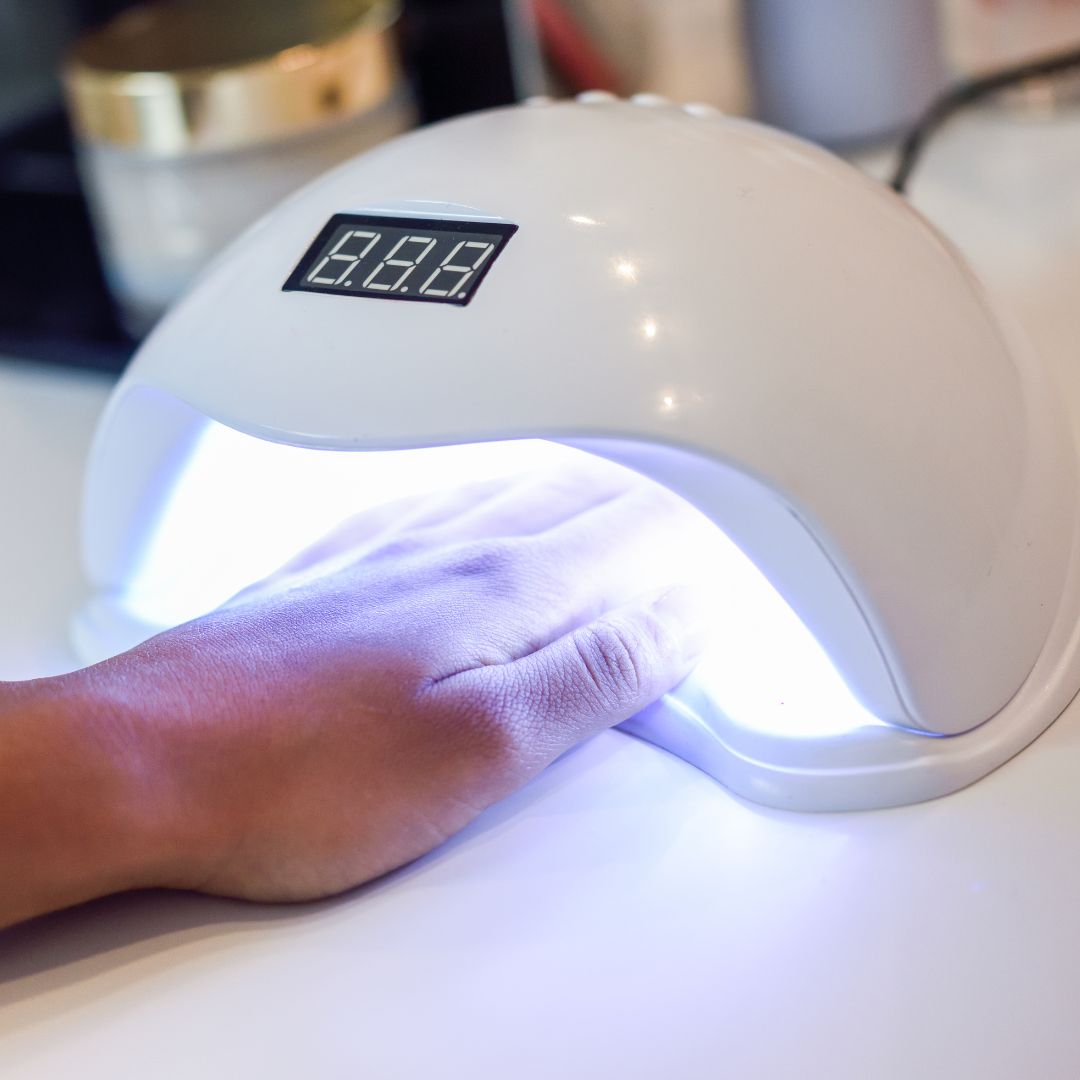
Your lamp is crucial equipment for gel services. Quality training teaches lamp wattage and bulb type requirements, proper hand positioning for complete curing, recognizing when bulbs need replacement, and troubleshooting under-curing issues.
Inadequate lamp knowledge leads to persistent problems with gel services failing prematurely.
Gel Extensions and Forms
Building gel extensions requires specific techniques. Training should cover using nail forms for gel sculpting, dual forms and gel-X application systems, building proper structure and strength with gel, and creating various shapes and lengths.
Gel extensions have become enormously popular, making this skill increasingly valuable for nail technicians.
Gel Polish Application
Gel polish—soft gel in colour form—requires specific technique for long-lasting results. Training should address proper nail preparation and pH balance, thin, even application in multiple coats, proper base and top coat selection, and curing between every layer.
Gel polish services generate significant recurring revenue through regular appointments every 2-3 weeks, making technical excellence crucial for client retention.
Removal Methods
Gel removal differs substantially from acrylic removal. Hard gels cannot be soaked off—they must be filed away carefully without damaging natural nails. Soft gels and gel polish can be soaked in acetone using proper wrapping techniques, appropriate soak times preventing excessive natural nail dehydration, and gentle removal without forcefully scraping.
Improper gel removal causes more natural nail damage than almost any other nail service error. Comprehensive training in safe removal protects your clients and your reputation.
Managing Heat Spikes
Some clients experience burning sensations when gel cures under UV/LED light, especially with thick applications or on damaged nails. Training should explain why heat spikes occur, how to prevent them through thinner layers and proper technique, and what to do if clients experience discomfort during curing.
Understanding and managing this issue prevents negative client experiences that could damage your business.
Comparing Systems: What to Recommend When
Beyond technical application skills, professional nail technicians must understand when to recommend each system. Quality training teaches these consultation and decision-making skills.
Acrylic Advantages
Recommend acrylics for clients needing maximum strength and durability, those with very weak or damaged natural nails, anyone wanting dramatic length extensions, people in manual jobs or frequent water exposure, and clients on tight budgets (acrylics typically cost less than gels).
Gel Advantages
Recommend gels for clients prioritizing natural appearance, those with healthy natural nails needing moderate enhancement, anyone sensitive to acrylic odours, people wanting less damaging enhancements more easily removed, and clients willing to pay premium prices for aesthetic benefits.
Client Lifestyle Considerations
Professional nail technicians consider client lifestyles when recommending systems. Office workers with desk jobs do well with either system. Manual workers or those frequently in water benefit from acrylic durability. Musicians or typists might prefer gel’s thinner, more natural feel. Parents constantly washing hands and doing housework might need acrylic strength.
Training should develop your consultation skills to gather this information naturally and use it to make appropriate recommendations.

Business Skills Around Both Systems
Technical competency alone doesn’t build successful nail businesses. Your training should address business aspects of offering both gel and acrylic services.
Pricing Strategies
Different products have different costs affecting your pricing. Generally, acrylic services price lower than gel services at $45-$70 for full sets versus $60-$90+ for gel extensions. However, regional markets vary significantly.
Training should help you understand cost structures, competitive market pricing in your area, how to position different services at different price points, and when premium pricing is justified by superior products or techniques.
Service Menu Development
Comprehensive service menus might include acrylic full sets and fills, gel extensions and overlays, gel polish on natural nails, nail art on both systems, and specialty services like ombré or encapsulation.
Training should help you create coherent service menus, describe services in appealing yet accurate ways, and recommend appropriate services to new clients based on their needs and budgets.
Product Inventory Management
Offering both systems requires managing diverse product inventory. Training should address which products are essential versus optional, how to manage stock levels without excessive capital tied up in inventory, and when to invest in premium products versus budget options.
Marketing Each Service Type
Different client demographics gravitate toward gel versus acrylic services. Marketing strategy might include targeting gel services toward brides, professionals, and aesthetic-focused clients, positioning acrylics for value-conscious clients, manual workers, and those needing maximum durability, and using your social media portfolio to showcase capabilities in both systems attracting diverse clientele.
What Comprehensive Training Looks Like
Understanding what your nail course should teach helps you evaluate training options and choose programs preparing you for real-world success.
Hands-On Practice Requirements
Reading about techniques isn’t enough—professional competency requires extensive hands-on practice. Quality courses require you to complete minimum numbers of full sets in both systems, practice on real people (friends, family, volunteer models), document your work for instructor feedback, and demonstrate proficiency before certification.
Online nail courses like Canadian Beauty School’s Certificate in Nail Tech balance flexibility with practical requirements, ensuring you develop actual skills not just theoretical knowledge.
Professional Kit Inclusion
Comprehensive nail courses should include or provide detailed guidance on professional starter kits containing quality acrylic liquids and powders in multiple colours, various gel products including base, builder, and top coats, UV/LED lamp appropriate for professional use, professional-grade files, bits, and tools, and proper sanitation and disinfection supplies.
Kits should contain professional products you’ll actually use in practice, not cheap consumer-grade materials that perform poorly and teach bad habits.
Ongoing Support
Learning doesn’t end when you finish course modules. Quality programs provide ongoing tutor support for technical questions, feedback on your practical work photos or videos, business and marketing guidance, and community forums connecting you with fellow students and graduates.
This support system helps you overcome challenges during training and early career stages when you’re still developing confidence and consistency.
Business Training Integration
Technical skills without business knowledge leaves you unprepared for actual nail tech career. Comprehensive courses integrate business education covering pricing and profitability, client consultation and retention, basic bookkeeping and tax obligations, and marketing fundamentals for beauty businesses.
This well-rounded education prepares you for success whether working in salons or building your own practice.

Choosing Your Nail Training
Now that you understand what comprehensive nail training should include, you can evaluate course options more effectively.
Red Flags in Nail Training
Avoid courses that teach only gel or only acrylic systems exclusively, provide inadequate hands-on practice requirements, use low-quality or consumer-grade products in kits, lack ongoing tutor support or feedback mechanisms, or make unrealistic income or timeline promises.
Quality Training Characteristics
Seek programs that provide thorough coverage of both gel and acrylic systems, require substantial practical work with instructor feedback, include professional-grade products and equipment, offer experienced tutor support throughout your learning, and provide realistic expectations about learning curves and career building.
Investment and Return
Comprehensive nail courses represent modest investment with strong return potential. Course fees typically range from $1,500-$3,000 for comprehensive programs including starter kits. Additional startup costs for insurance, business registration, and initial product inventory typically total $500-$1,500.
Most new nail technicians recover their total investment within 3-6 months of starting practice, making nail technology one of the more accessible skilled trades financially. For detailed information about launching your nail business in Ontario’s largest city, read our complete guide on starting a nail business in Toronto.
The key is choosing training that actually prepares you for professional work rather than cheap courses leaving you underqualified and unable to compete effectively.
Your Next Steps
Understanding what comprehensive nail training should include empowers you to make informed education choices positioning you for career success.
Research nail courses offering both gel and acrylic training, compare curriculum depth and practical requirements, verify professional kit quality and contents, and read reviews from past students about their experiences and preparation for real-world work.
Quality training investing in your technical skills, business knowledge, and ongoing support creates strong foundation for thriving nail career serving Canadian clients’ diverse needs and preferences with professional expertise in both major enhancement systems.
Ready to master both gel and acrylic systems? Canadian Beauty School’s Certificate in Nail Tech provides comprehensive training in both enhancement systems plus natural nail care, nail art, business skills, and professional kit—everything you need to build successful nail career serving all clients regardless of their nail enhancement preferences. Before enrolling, explore our full guide on nail courses in Toronto to understand the complete training landscape and career opportunities available to you. View all our beauty courses to discover how you can build a versatile skillset in the beauty industry.