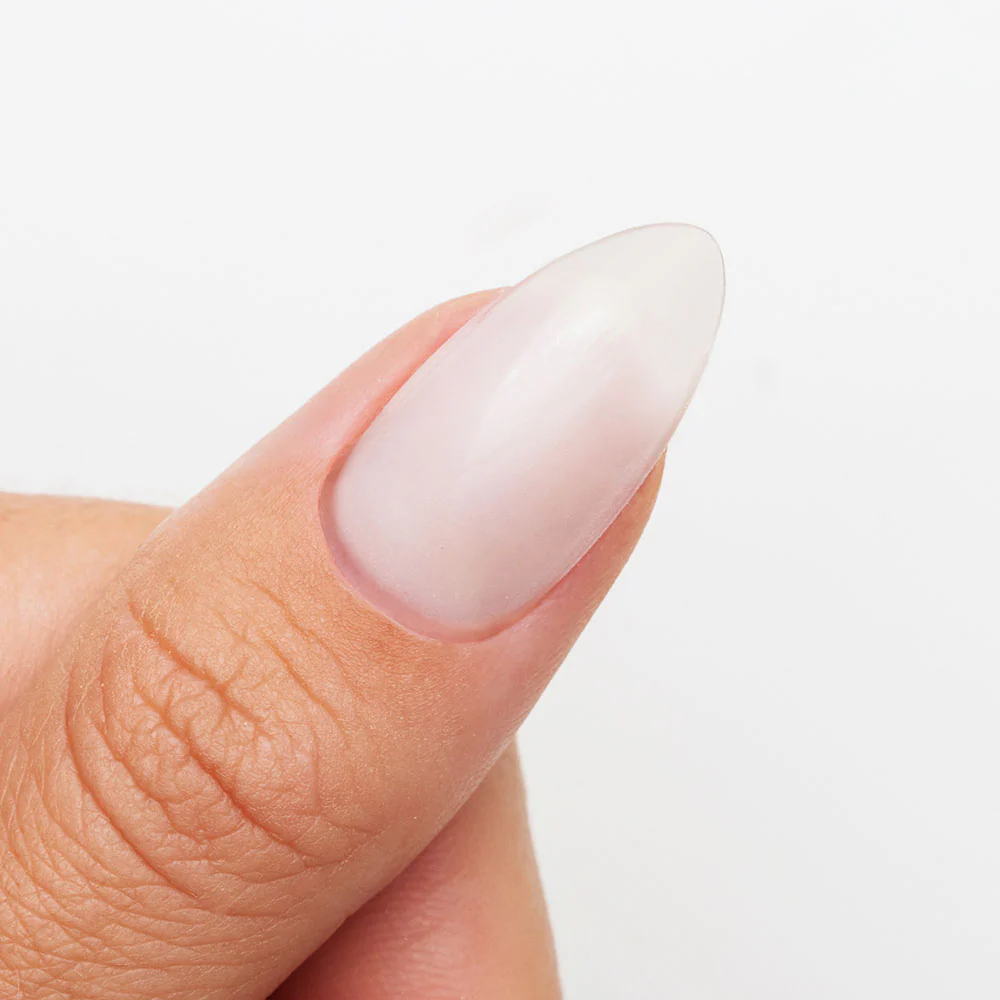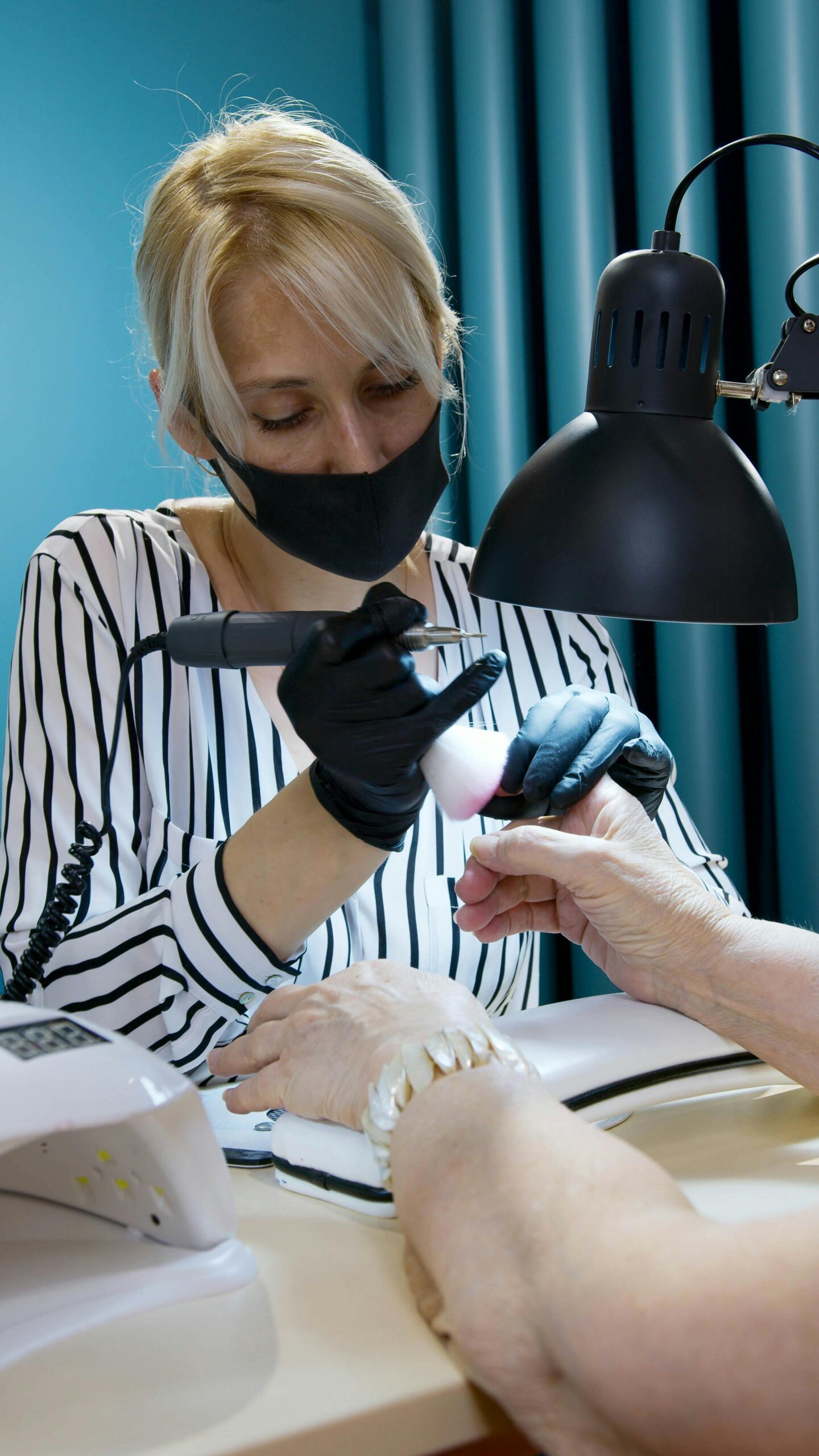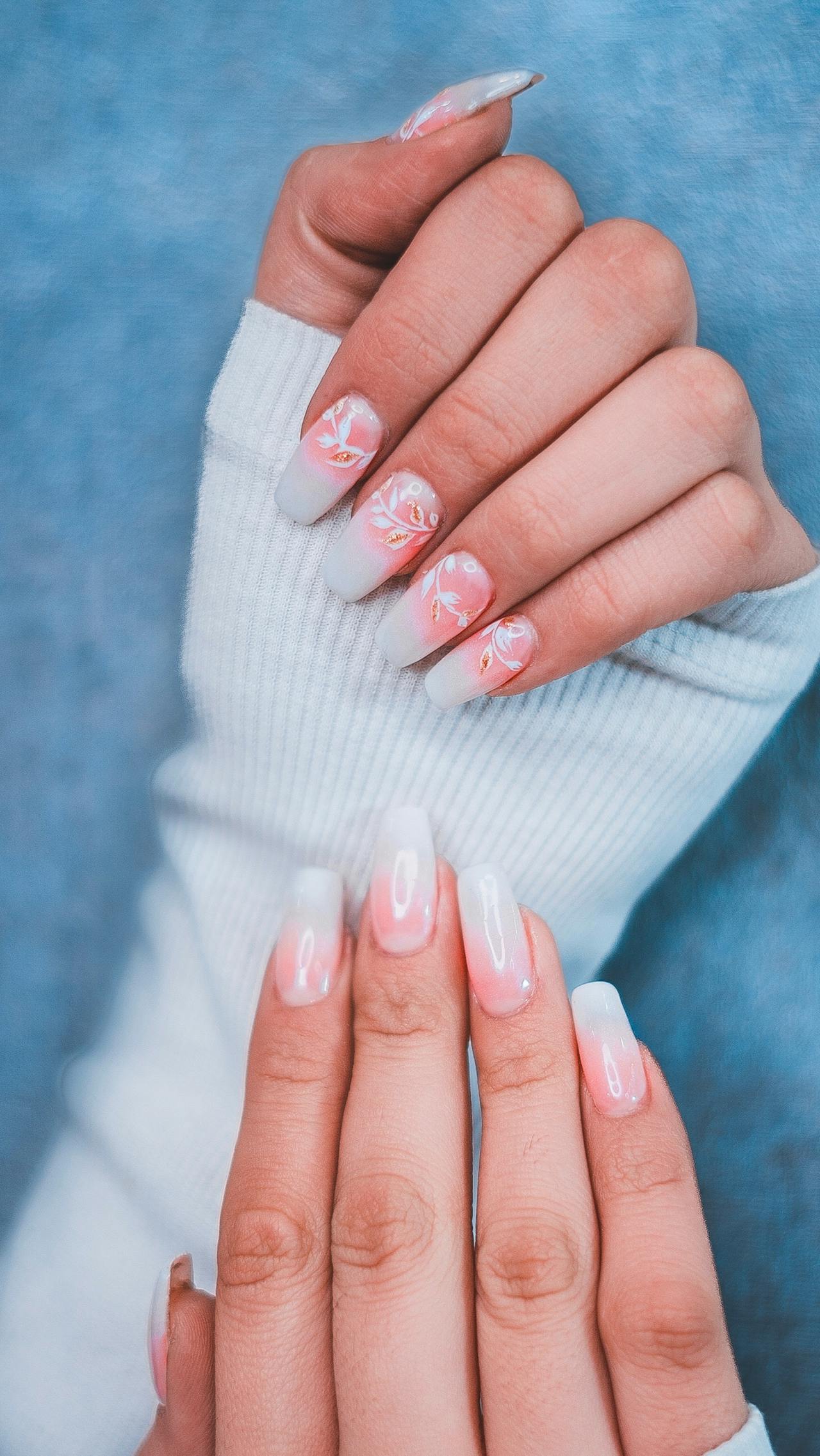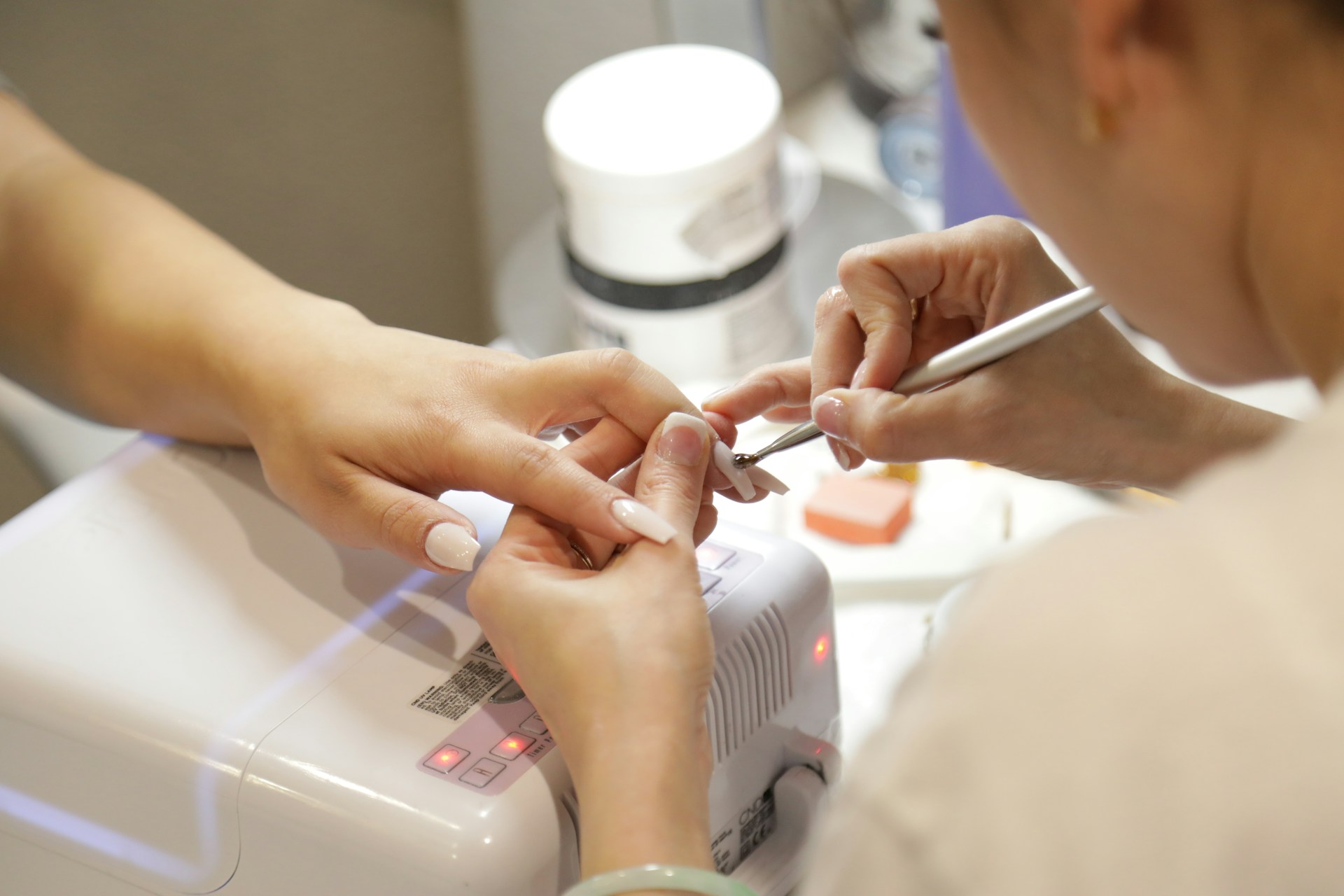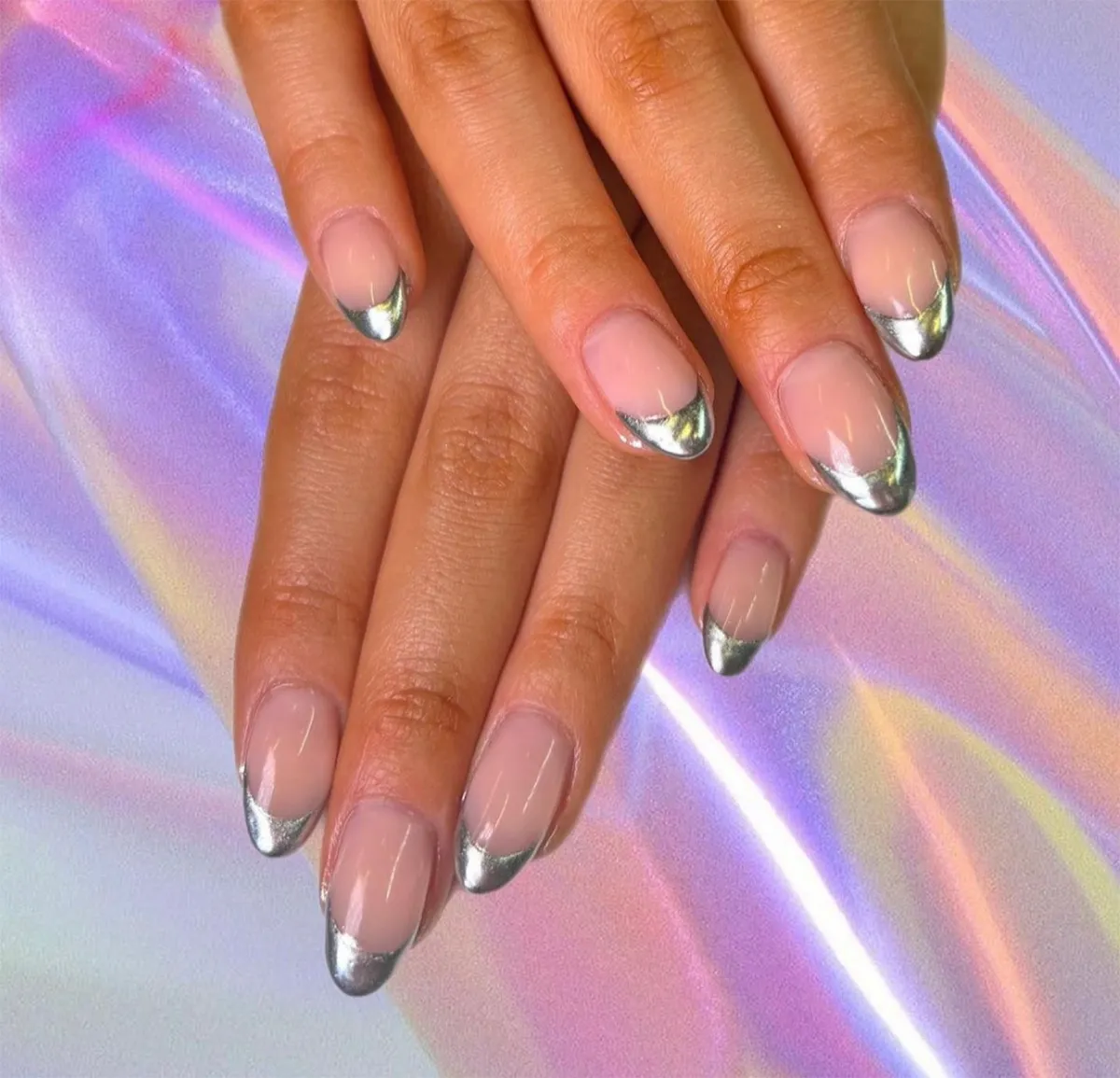
Yes, you can apply gel polish over acrylic nails! It’s a common practice in both professional salons and home manicures across Canada. This hybrid approach combines the strength and durability of acrylics with the vibrant, glossy finish of gel polish, giving clients the best of both worlds.
Many people confuse gel polish with “gel nails” or builder gel. Unlike builder gel, which is used to build structure and add strength, gel polish is purely for colour and finish. Understanding this distinction is essential for proper application, client education, and setting appropriate expectations.
Why This Combination Works
The textured surface of buffed acrylic provides excellent adhesion for gel polish, often gripping better than it would on natural nails. Gel polish enhances the appearance of acrylics by adding:
Depth and dimension to the overall look through rich, pigmented colours that pop against the solid acrylic base. A high-shine finish that lasts without the chipping, dulling, or peeling common with regular polish.
Colour flexibility, allowing easy changes without removing the acrylic base—clients can switch colours every 2-3 weeks while maintaining the same acrylic structure. Superior chip resistance compared to traditional lacquer, often lasting the entire time between acrylic fills.
It’s a hybrid nail solution that’s become increasingly popular as clients seek both durability and aesthetics from their manicures.
How Long Does the Process Take?
A full acrylic set with gel polish typically takes about 1.5 to 2 hours, factoring in shaping, buffing, and gel curing time. For existing acrylic fills with a gel polish change, expect about 60-90 minutes depending on nail art complexity and whether the previous colour needs complete removal.
The extra time compared to acrylic alone is worth it for the enhanced aesthetic results and the extended wear clients enjoy. Many salons find that clients prefer this combination once they’ve tried it.
Step-by-Step Application Guide
Preparation
Begin by lightly buffing the acrylic surface to create texture. Use a 180-grit file or fine buffer to gently remove shine without thinning the acrylic significantly. This step is essential for proper adhesion.
Clean the nail with a lint-free wipe and alcohol or a nail prep dehydrator. Remove all dust, oils, and residue that could interfere with adhesion. Even small amounts of oil can cause lifting.
Apply dehydrator or primer if desired—this step is optional but can improve adhesion for clients who tend to experience lifting or have oily nail beds.
Application
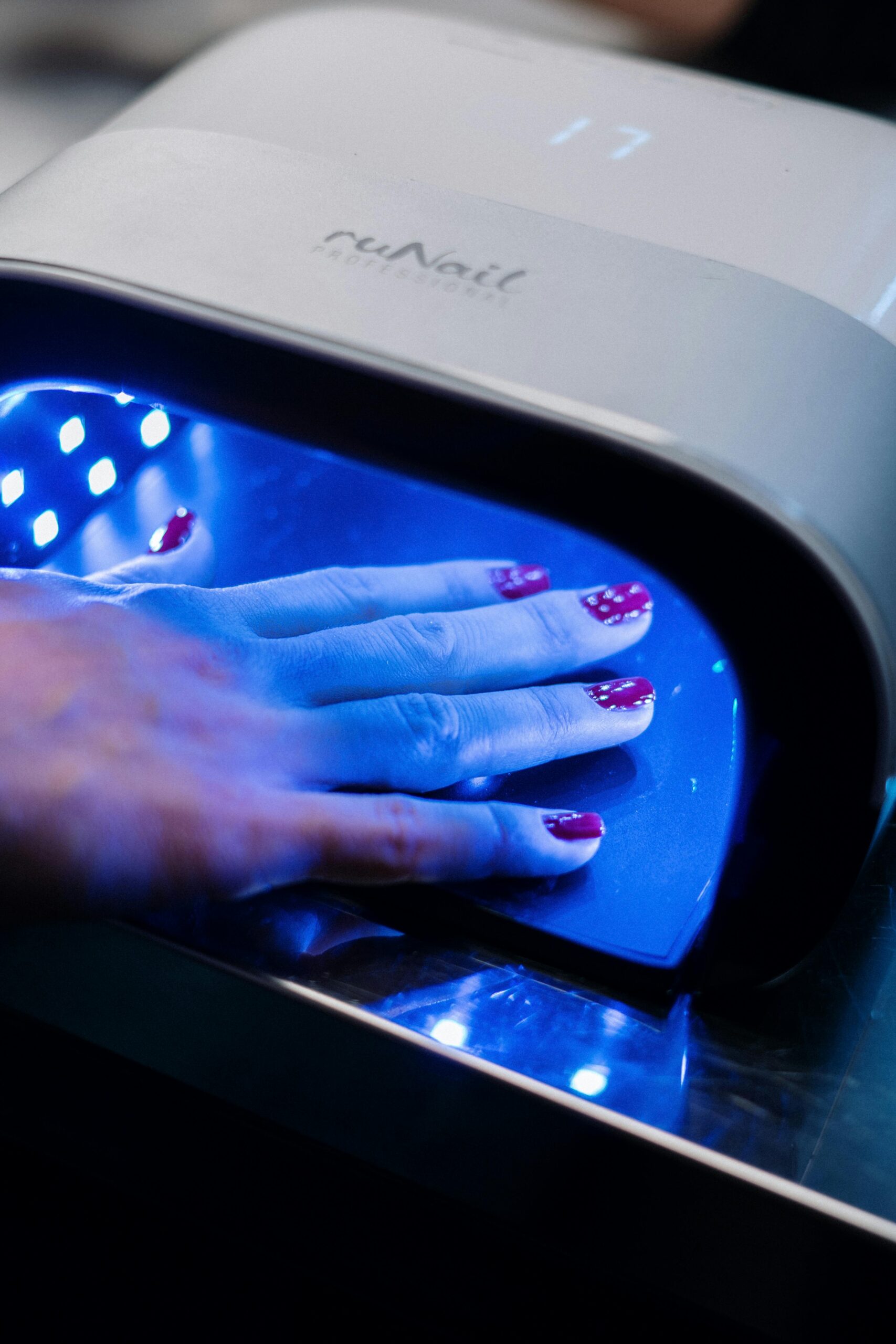
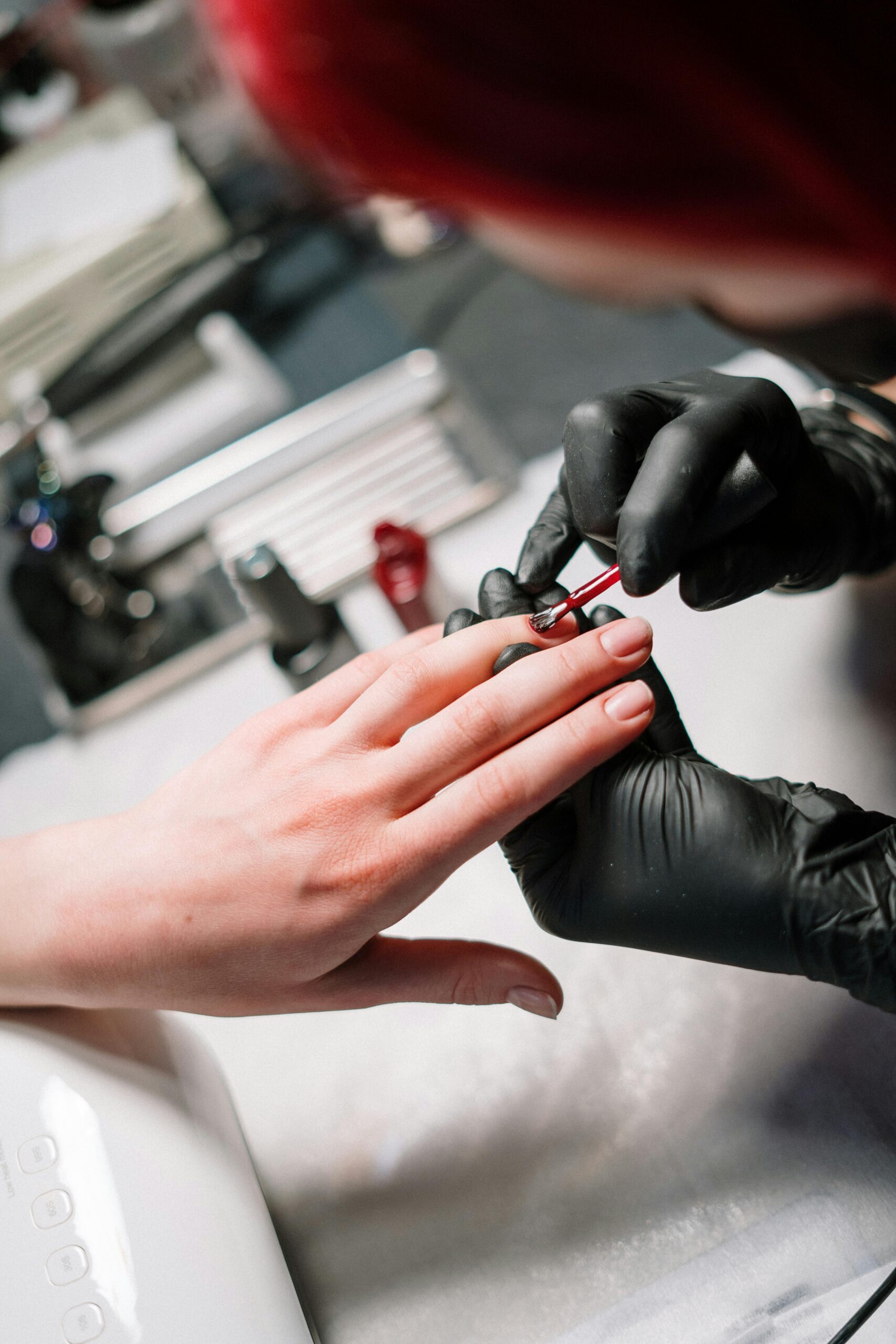
Apply a thin base coat and cure under your lamp according to product specifications—typically 30-60 seconds for LED lamps. The base coat protects the acrylic and provides a foundation for colour adhesion.
Apply the first thin colour coat and cure. Thin, even coats cure more completely and last longer than thick, gloopy applications that may remain soft underneath. Repeat for the second colour coat, ensuring complete curing between layers.
Apply top coat and cure for the final seal. Some top coats require wiping with cleanser to remove the tacky inhibition layer; others cure to a true shine without wiping.
How Long Do Results Last?
On average, gel polish over acrylic nails lasts 2–3 weeks with proper care—often longer than gel polish on natural nails due to the stable acrylic base. With gel polish applied over acrylics, your nails can stay looking flawless for up to three weeks, provided you follow a good aftercare routine.
The acrylic base won’t chip, but gel polish may wear at the tips as the nail grows out and experiences normal daily friction. Many clients opt for fill-ins around week 3, combining acrylic maintenance with a fresh gel polish colour.
Aftercare Tips for Lasting Results
Following these guidelines will help extend your results and maintain nail health:
Avoid water exposure right after curing—wait 1–2 hours before washing dishes or showering. The gel continues to harden slightly after initial curing, and water can interfere with this final setting process.
Use cuticle oil daily to maintain nail health and prevent the polish from lifting at the edges. Healthy cuticles and surrounding skin contribute to better wear and prevent moisture from entering under the polish.
Wear gloves when cleaning or handling harsh chemicals that could dull or damage the finish. This simple habit extends wear significantly and protects both the gel polish and the underlying acrylics.
Don’t pick at your nails—once the edge lifts, moisture gets in and lifting accelerates. If you notice lifting, see your technician for repair rather than picking, which causes damage.
Removal Process
Gel polish should be removed without damaging the acrylic layer underneath. Here’s the proper process:
File the top coat gently to break the seal, using a fine-grit file. Avoid filing aggressively, which can thin the acrylic and compromise its strength.
Soak cotton pads in acetone and place them on each nail. Wrap each nail with foil to hold the cotton in place and prevent evaporation, which reduces effectiveness.
Wait 10-15 minutes, checking periodically. The gel should begin to wrinkle and lift away from the acrylic surface.
Gently push off the softened gel with an orangewood stick or cuticle pusher. Never scrape aggressively, as this can damage the acrylic surface and require more filing.
Buff lightly if needed to remove any remaining residue, then proceed with new polish application.
Important: Acrylics don’t dissolve in acetone the way soft gel does, so be careful to only remove the polish layer and preserve the underlying structure.
Best Practices for Professionals
At Canadian Beauty School, we recommend these best practices for combining acrylics and gel polish:
Always prep the nail surface correctly—this single step determines most of your success with wear time. Choose compatible products, ideally from the same brand for base and top coat when possible.
Stick to thin layers and proper curing times. Uncured gel is the most common cause of premature lifting and service breakdown.
Follow a consistent aftercare routine and educate clients about proper home care. Providing written aftercare instructions improves results and client satisfaction.
Our Certificate in Nail Tech covers both acrylic application and gel polish techniques, preparing you to offer this popular hybrid service with confidence.