Lash extension longevity is one of the most frequently asked questions among both prospective clients and students training as lash technicians. The answer is not a single number — it depends on the natural lash growth cycle, the quality of application, the adhesive used, the aftercare the client follows, and environmental factors that vary from person to person.
For lash technicians, understanding the genuine drivers of retention — and being able to communicate them clearly to clients — is one of the most important skills you develop beyond basic application. Clients whose extensions last well rebook consistently; clients whose extensions shed prematurely cancel and do not return. This guide explains both the science and the practical management of lash extension longevity.
The Natural Lash Growth Cycle and Why It Matters
Every natural eyelash follows a three-phase growth cycle. The anagen phase is the active growth phase, lasting between 30 and 45 days. The catagen phase is a transitional resting phase of approximately two to three weeks. The telogen phase is the shedding phase, after which the follicle restarts the cycle.
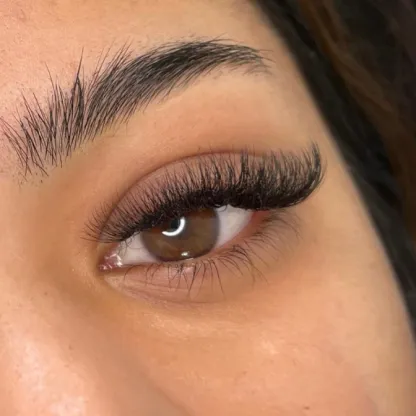
This cycle is critical to understanding lash extension longevity because extensions are attached to natural lashes — and when those natural lashes reach the end of their cycle and shed, the extension goes with them. This is entirely normal and expected, not a failure of application. A client with a full set of classic extensions will typically see meaningful shedding begin around the three to four week mark simply due to the natural lash cycle progressing.
The position of each natural lash in its growth cycle at the time of application determines how long that individual extension will last. Lashes in early anagen phase will carry their extension for the longest period; lashes already approaching telogen will shed relatively quickly. A skilled lash technician assesses lash cycle during consultation and maps accordingly — avoiding placing extensions on very short, very new lashes or visibly fragile lashes nearing the end of their cycle.
Typical Retention Timeline: What to Tell Clients
In normal conditions with proper aftercare, clients can expect to retain a presentable set of lash extensions for three to four weeks before needing an infill. At this point, a significant enough number of natural lashes will have cycled through that the set looks incomplete rather than full.
Infill appointments — sometimes called lash fills or top-ups — are typically scheduled at two to three week intervals and involve replacing the extensions that have shed with fresh applications. A client who books consistently on this schedule maintains a perpetually full, fresh-looking set. This recurring appointment structure is one of the reasons lash extension clients generate some of the highest lifetime revenue of any beauty service client.
Some clients retain their extensions for five or six weeks before their set begins to look sparse. Others find their natural shedding cycle is faster and prefer shorter infill intervals of two weeks. Part of a lash technician’s value is understanding individual client biology and scheduling appointments accordingly.
What Affects Retention
Adhesive quality and conditions during application have a direct and significant impact on retention. Lash adhesive cures through a reaction with moisture — specifically the humidity in the air and on the lash. Optimal application humidity is typically 45 to 65 per cent, and optimal temperature is 18 to 22 degrees Celsius. Working outside these ranges — in very dry environments or extreme temperatures — produces weaker adhesive bonds and faster shedding.
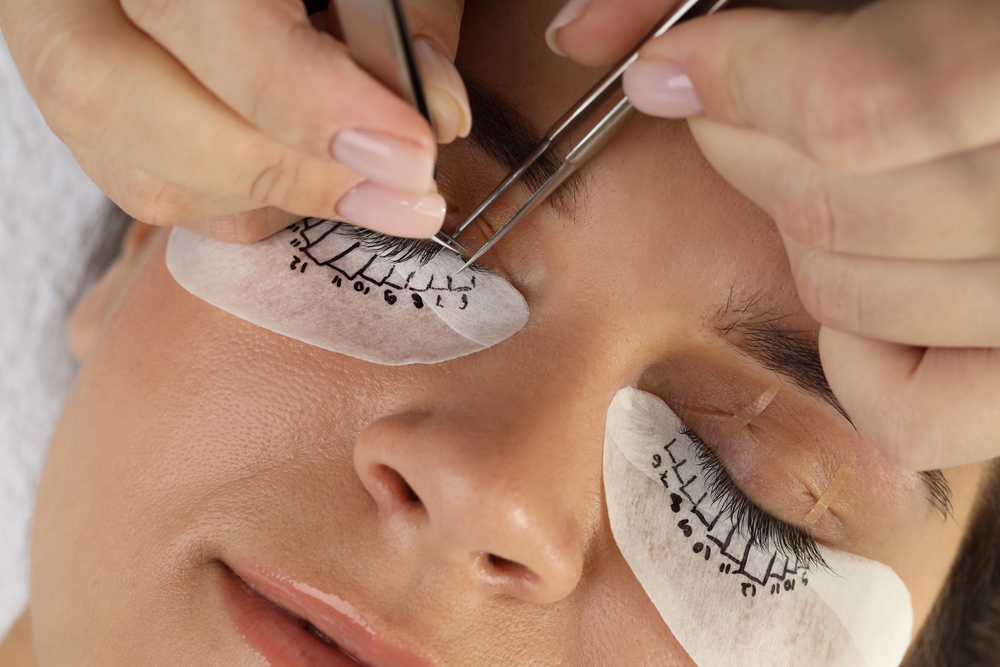
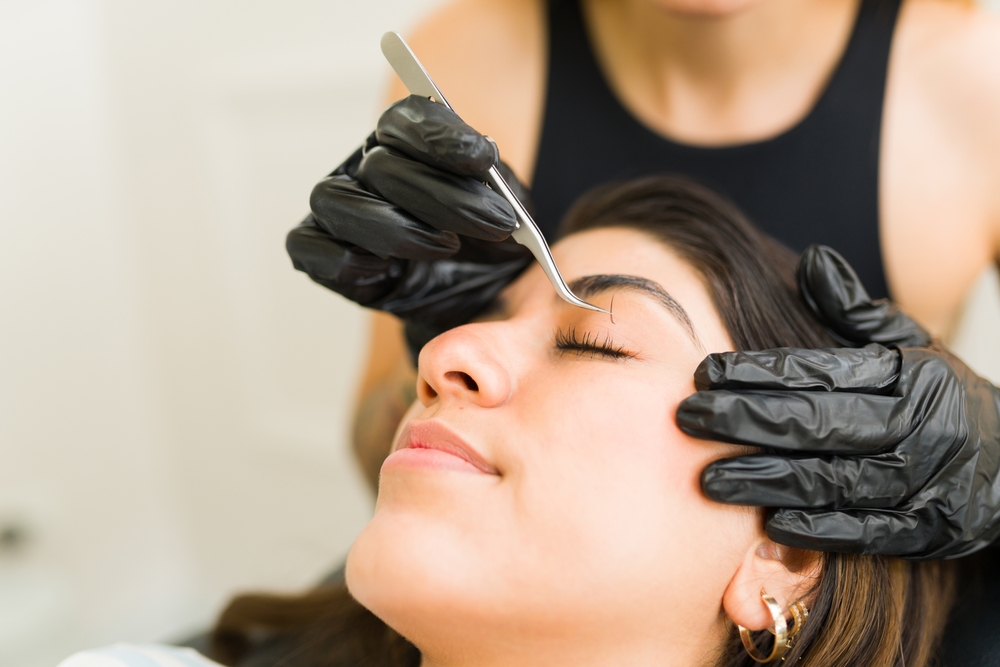
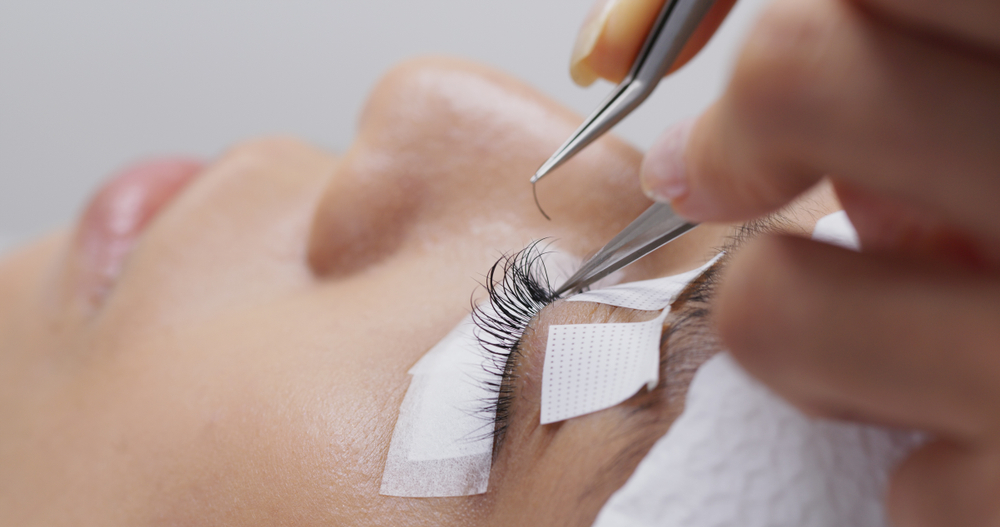
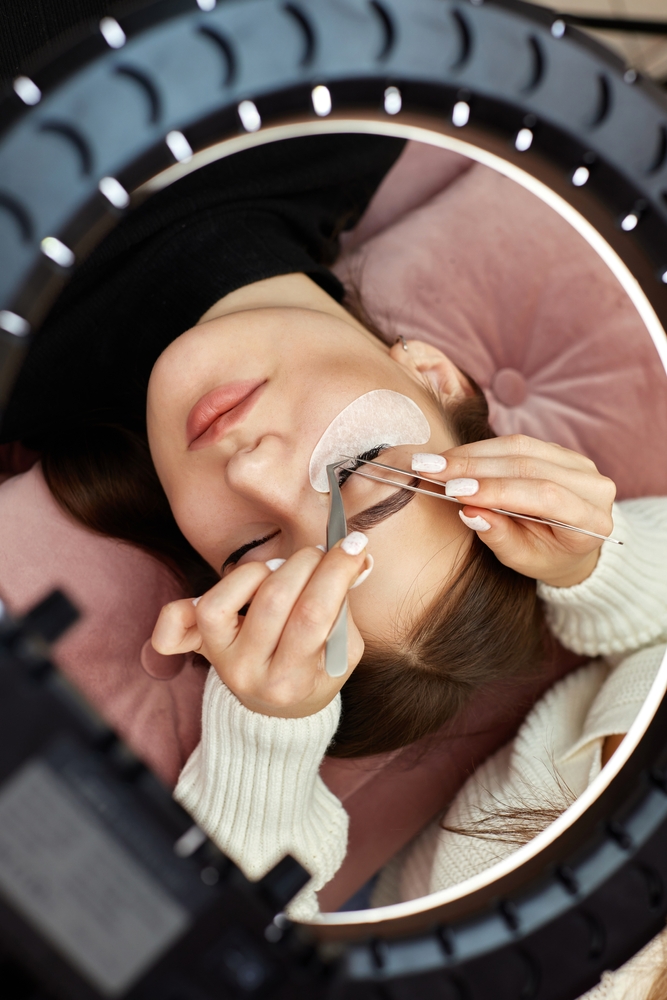
Application technique is the other major technical factor. Proper isolation of natural lashes before extension placement prevents bonding of multiple lashes together, which causes premature breakage and shedding as the glued cluster grows out. Extension placement at precisely 1mm from the lash line — not touching the lid — is also critical for comfortable, lasting wear.
Oil-based products on the lash area are one of the most common causes of early retention failure. Oil breaks down lash adhesive over time, which is why clients are advised to avoid oil-based makeup removers, heavy eye creams near the lash line, and sunscreen applied too close to the eyes. This guidance should be communicated in writing at every new client appointment.
Aftercare: What Clients Must Do
For the first 24 to 48 hours after a fresh set, clients should keep their lashes completely dry. The adhesive continues curing during this period, and moisture exposure before full cure weakens the bond.
After the initial curing period, clients should clean their lashes regularly — at least every two days — using a lash-safe foaming cleanser and a soft brush. This removes the natural oils, skin cells, and environmental debris that accumulate at the lash line and degrade the adhesive bond over time. This is one of the most counterintuitive pieces of aftercare for many clients: they avoid washing their lashes to protect the extensions, when in fact regular cleaning significantly extends longevity.
Sleeping position affects retention for many clients. Side and stomach sleepers create friction on their lash line that can cause lashes on one side to shed faster. A silk or satin pillowcase reduces this friction meaningfully. For clients who consistently report faster shedding on one side, sleep position is usually the explanation.
What Lash Technicians Can Do to Maximise Client Retention
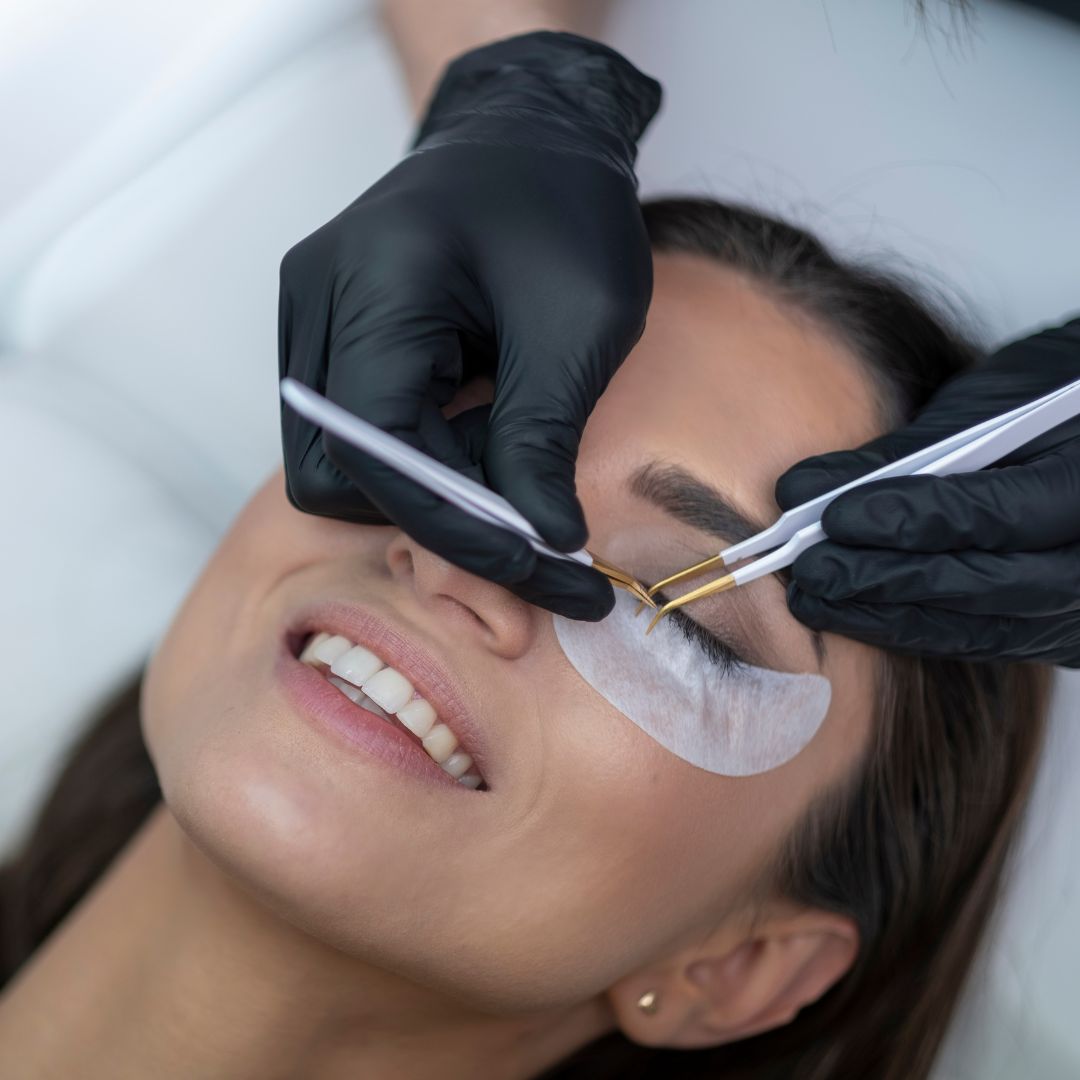
The single most impactful thing a lash technician can do for client retention is thorough isolation. Taking the time to properly separate each natural lash before application prevents the sticking problems that cause premature shedding and damage. Speed shortcuts during isolation consistently produce retention problems that undermine client satisfaction.
Using the right adhesive for current environmental conditions matters significantly. Most professional lash adhesives have optimal humidity ranges — using a slow-cure adhesive in a high-humidity environment or a fast-cure adhesive when conditions are dry produces a weaker bond than using the product within its optimal parameters. Experienced lash technicians keep two adhesives on their kit and select based on daily conditions.
Our Certificate in Eyelash Extensions covers retention science, adhesive chemistry, and the full range of aftercare guidance in depth. For more on the lash lift alternative for clients who prefer no extensions, see our article on lash lift vs lash extensions. And for current trends shaping client expectations, read our 2026 lash trends guide.