Volume lashing has transformed the lash extension industry. What began as a technique originating in Eastern Europe — specifically the hand-crafted fan application method that became known as Russian volume — has become one of the most requested and most premium services in Canadian lash studios. For technicians who invest in mastering it, volume lashing represents one of the most significant income-driving specialisations available.
This guide covers everything a developing lash technician needs to understand about volume lashing: the technique fundamentals, how it differs from classic application, when to recommend it versus other styles, how to learn it effectively, and how to price it in the Canadian market.
What Are Volume Lash Extensions?
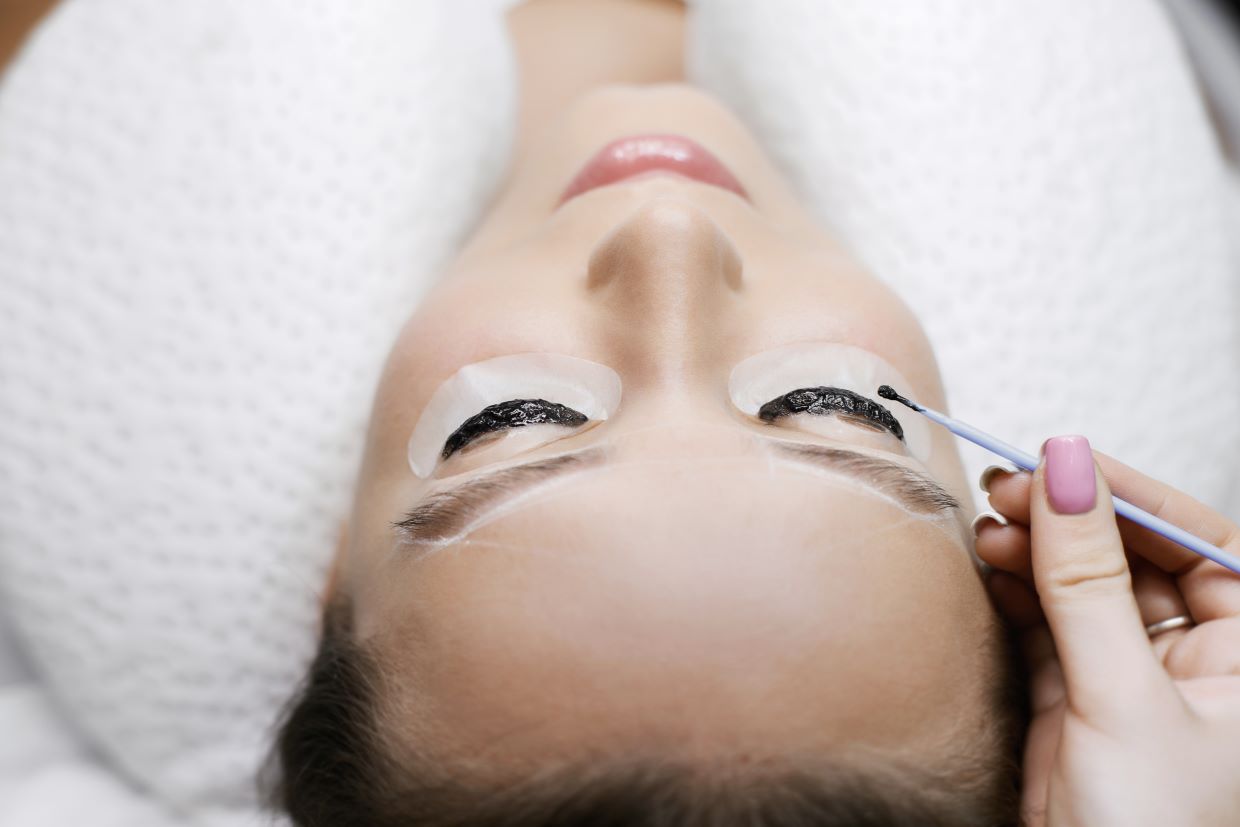
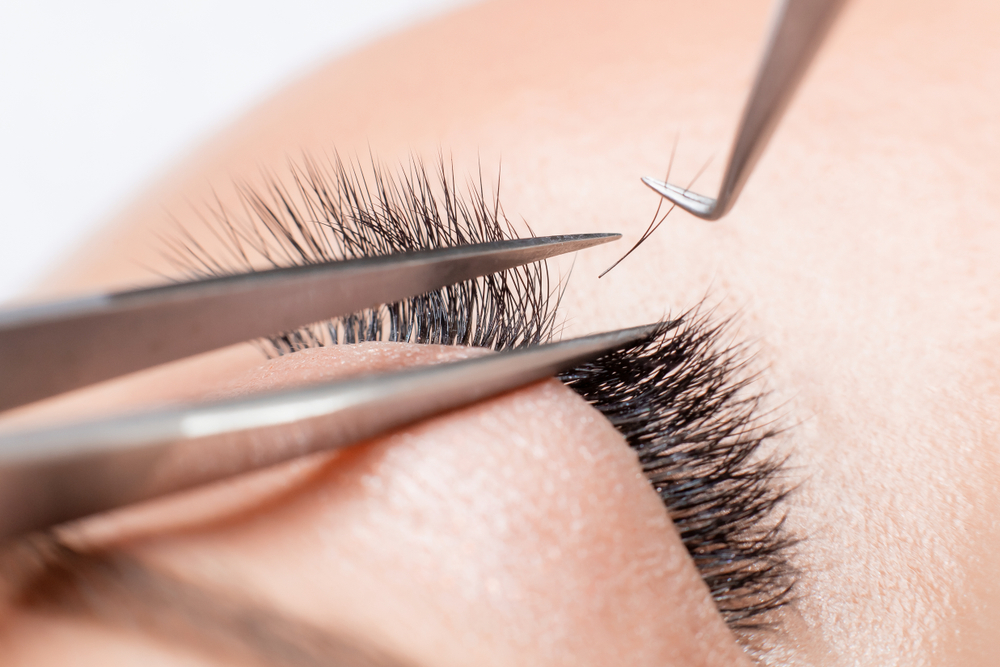
Volume lash extensions involve applying multiple ultra-fine extension fibres to each individual natural lash in the form of a hand-crafted fan. Where classic lashing places a single extension (typically 0.15mm to 0.20mm diameter) on one natural lash, volume lashing places a fan of two to six very fine extensions (typically 0.03mm to 0.07mm) on each natural lash.
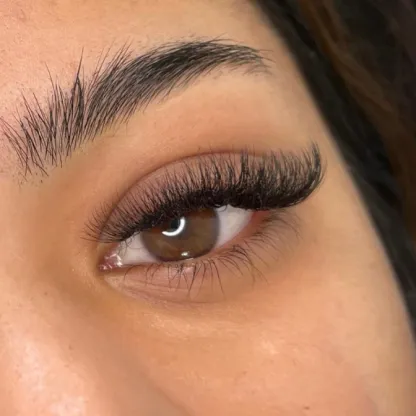
Because the individual fibres are much finer than classic extensions, the combined weight of a volume fan is comparable to — or even less than — a single classic extension. This allows a fuller, fluffier, more textured look without placing excessive weight on the natural lash. The result is a set with significantly more apparent density than classics, achieved without compromising natural lash health when applied correctly.
Beyond standard Russian volume (2D to 5D fans), technicians who develop advanced skills can offer mega volume (6D to 16D fans) for the most dramatic possible look, and light volume or nano lashing (2D to 3D ultra-fine fans) for clients who want more than classic but a more natural result than full volume. This range of styles within the volume category gives technicians a complete spectrum of offerings under a single specialisation.
How Is Volume Different From Classic Application?
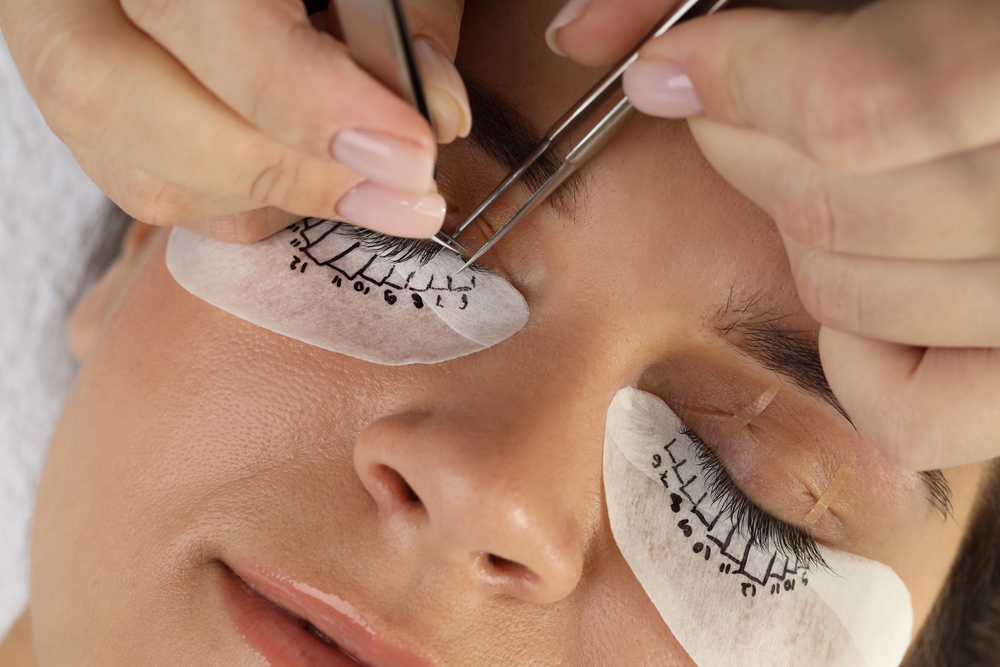
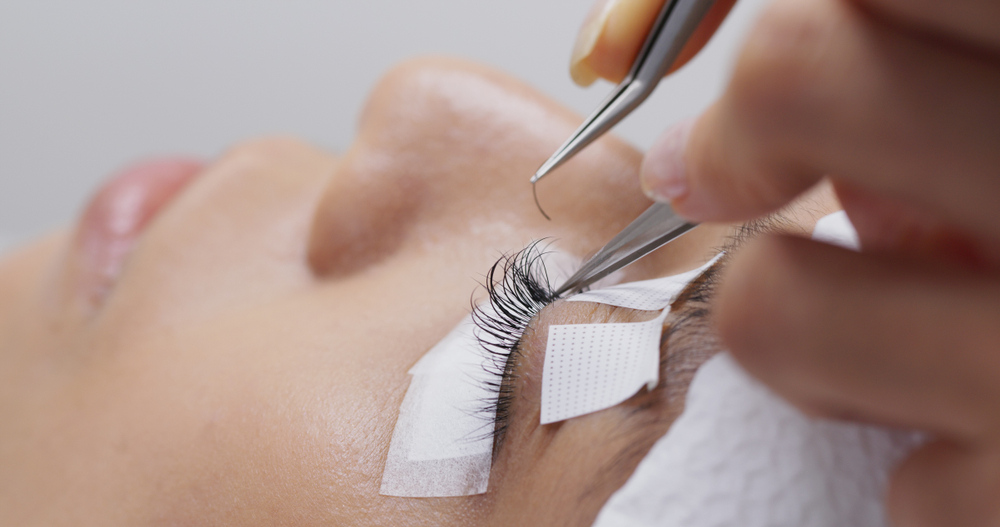
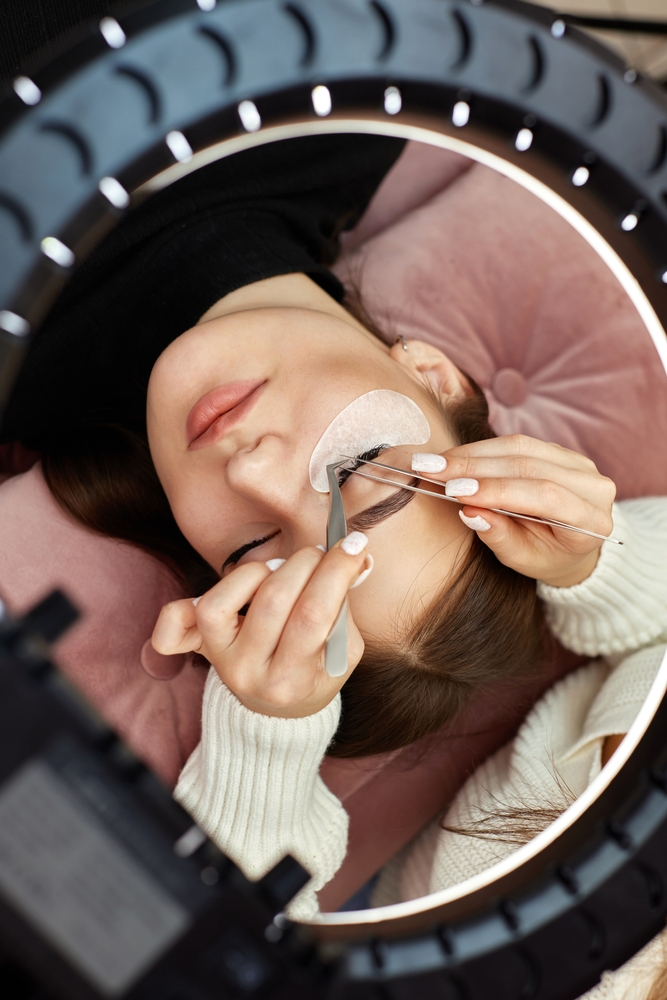
The fundamental technical difference between classic and volume lashing is in the fan creation. Classic lashing is a one-to-one placement: you pick up a single extension and attach it to a single natural lash. Volume lashing requires the technician to first construct a fan — picking up multiple fine fibres from a tape strip and forming them into a symmetrical, even spread — before then placing that fan on an isolated natural lash.
Fan creation is the skill that takes the most practice to develop. A poorly formed fan — with uneven spacing, fibres that are not adhered at a consistent base point, or asymmetric spread — produces an irregular, unprofessional result. A well-formed volume fan should resemble a symmetrical bloom: an even spread of fibres tapering from a neat, narrow base. Achieving this consistently across a full set of 80 to 100+ natural lashes per eye is what separates competent volume technicians from exceptional ones.
Volume sets generally take longer to apply than classic sets — typically 90 minutes to two and a half hours for a full set — compared to 60 to 90 minutes for a classic application. This additional time is reflected in higher service prices, which is one reason volume lashing commands a meaningful income premium over classics.
When to Recommend Volume vs Classic
Not every client is a candidate for volume lashing, and part of a technician’s consultation skill is identifying the right recommendation. Clients with strong, healthy natural lashes in good condition are ideal candidates for volume — their lash structure can support the additional, albeit lightweight, fibres without undue stress.
Clients with fine, sparse, or compromised natural lashes may be better served by classic or light volume, where the extension weight per lash is lower. Applying full volume fans to very fine natural lashes risks premature shedding and, in the long term, traction damage if repeated without allowing periods of natural lash recovery.
Lifestyle is also a factor. Very active clients who swim frequently, attend hot yoga, or work in humid environments may find that volume sets shed faster than classics due to increased adhesive exposure. This does not mean volume is unsuitable for these clients — but it does affect infill scheduling and aftercare recommendations.
Pricing Volume Sets in Canada
Volume lash sets command the highest prices in the lash extension category. In Toronto and Vancouver, full volume sets are typically priced between $160 and $220 for a new set. Mega volume can reach $200 to $280 in premium markets. Classic sets in the same markets typically start at $100 to $135.
This price differential reflects the additional time, skill, and material cost involved in volume application. Technicians who can offer volume alongside classics can meaningfully increase their average revenue per client. A client who upgrades from a classic fill ($80 to $100) to a volume fill ($120 to $150) every three weeks generates substantially more annual revenue per booking slot. Multiplied across a full client book, this differential represents thousands of dollars annually.
How to Learn Volume Lashing
Volume lashing is significantly more technically demanding than classic application and rewards dedicated, structured practice. Most lash educators recommend establishing solid classic technique before attempting volume — the isolation and placement fundamentals developed in classic lashing translate directly to volume, and a technician who cannot place a single extension cleanly will struggle considerably with fan placement.
The core skill to develop is consistent fan creation: the ability to produce symmetrical, evenly spaced fans with a clean, narrow base across an entire application session without sacrificing quality in later stages of the set. This takes genuine repetition — expect to practise fan creation as a standalone exercise separate from full model application before integrating the skill into complete sets.
Our Certificate in Eyelash Extensions covers both classic and volume application techniques within a sequenced curriculum. For context on what clients are requesting right now, our 2026 lash trends guide covers the wispy, natural, and wet-look volume styles that are defining current demand. And for the business perspective on building a lash career, our how to start a lash business from home guide provides end-to-end launch guidance.