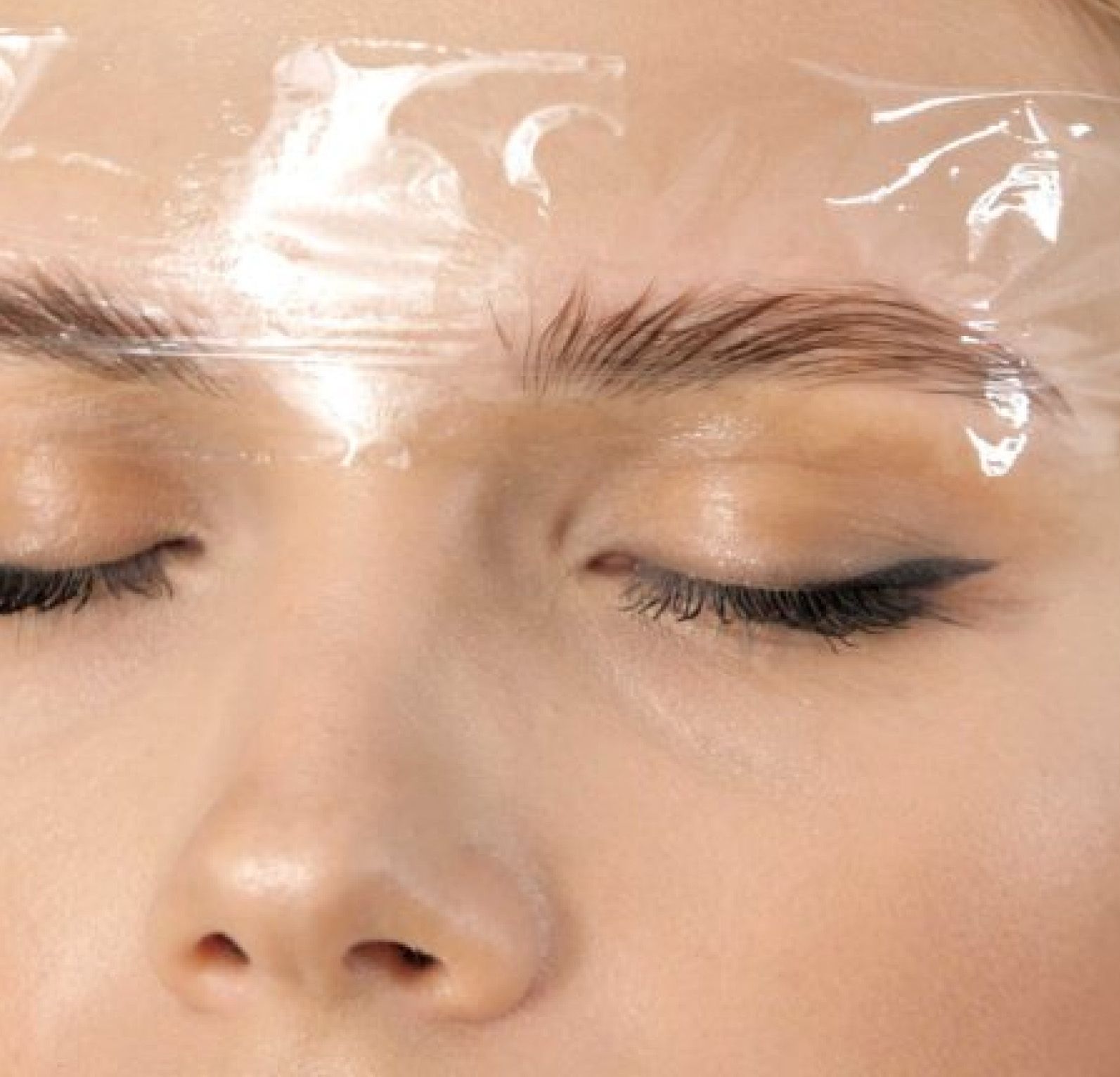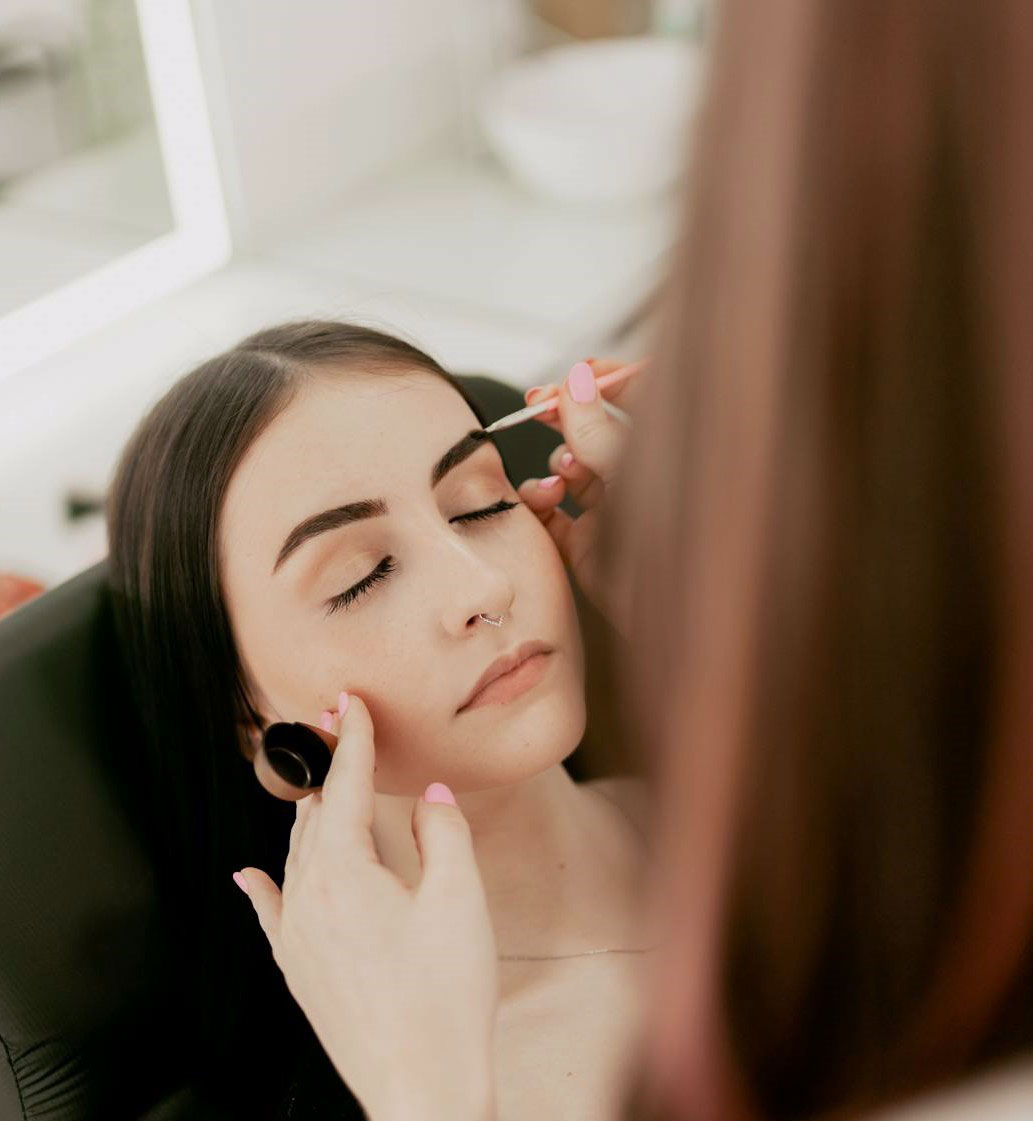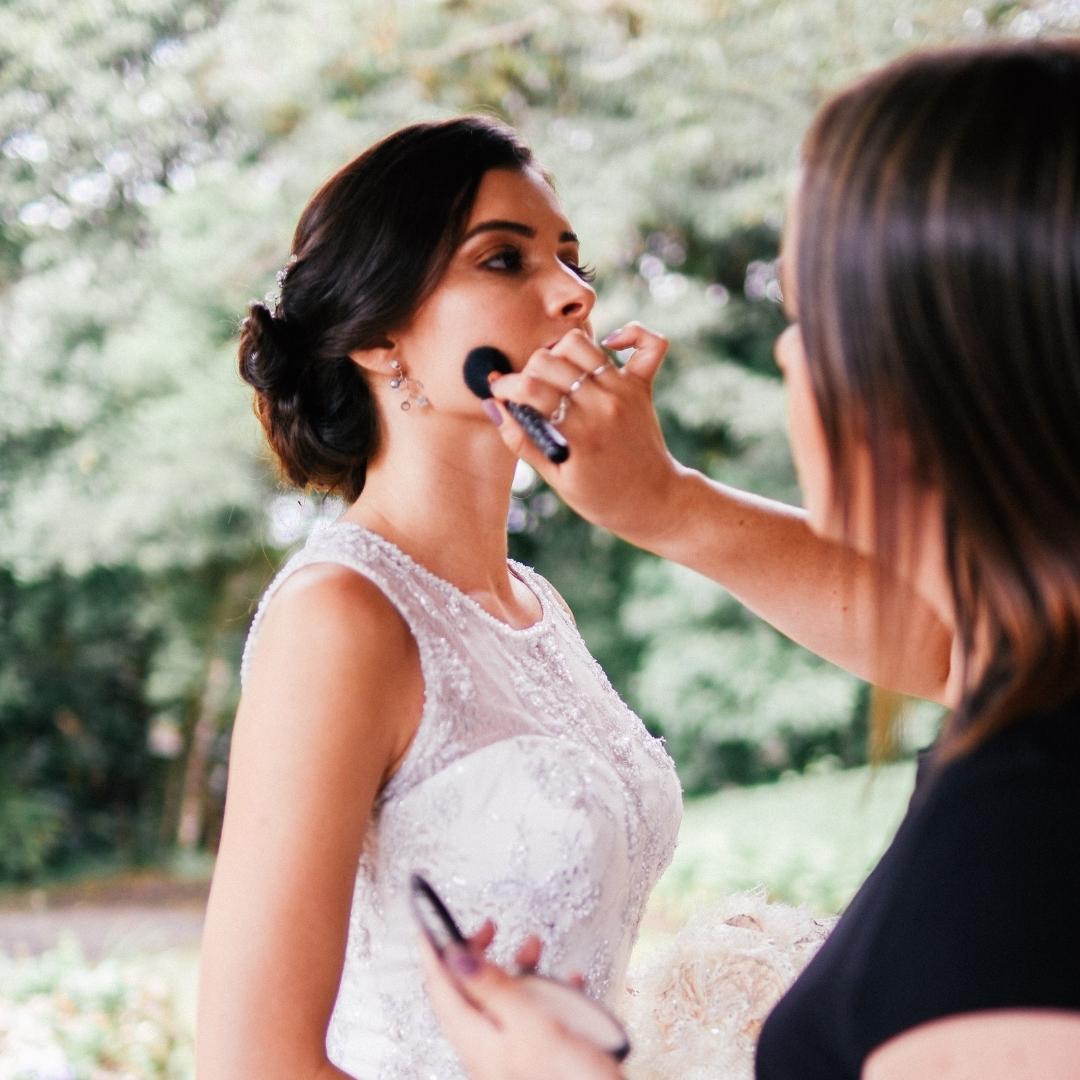
Makeup artistry is one of the most creatively rewarding careers in Canada’s beauty industry. From transforming a bride on the most important morning of her life to working on film sets, fashion shoots, or corporate events, the range of contexts in which professional makeup artists work is genuinely broad. The career path is also among the most accessible — with the right training, a strong portfolio, and a systematic approach to building your client base, you can move from complete beginner to working professional within a year.
This guide walks through every stage of becoming a makeup artist in Canada, from choosing the right course to landing your first professional bookings.

Step 1: Get Properly Trained
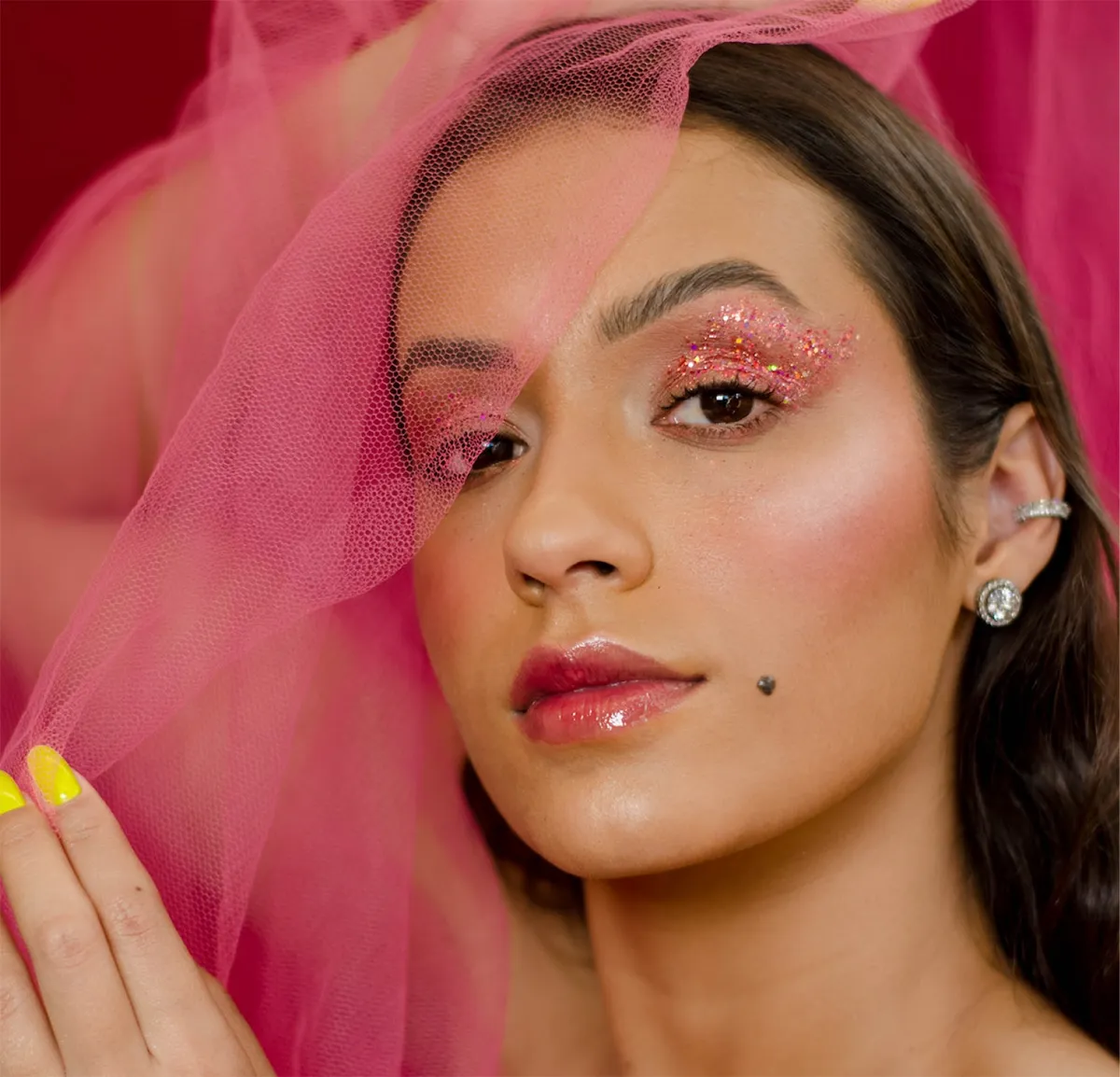
Professional makeup artistry is learnable, but it requires structured training that goes well beyond watching YouTube tutorials. A quality makeup artist course covers the full spectrum of professional techniques: foundation matching and application across diverse skin tones; colour theory and how to apply it practically; contouring and highlighting; eye makeup from natural to dramatic looks; lip techniques; airbrush application; bridal and special occasion makeup; and the specific considerations of makeup for photography, which behaves very differently under a camera than it appears to the naked eye.
Business and client management training is equally important. Understanding how to conduct a professional consultation, how to manage bridal party bookings, how to price your services, and how to handle the business side of freelance work is what allows your technical skill to translate into a financially viable career.
Online makeup artist courses offer the same curriculum flexibility that makes online training attractive across all beauty specialisations — study at your own pace, access demonstrations as many times as needed, and build your practical skills on your own schedule. The key is choosing a program with genuine tutor feedback on your practical assessments rather than simply watching videos with no interactive component.
Step 2: Invest in Your Kit
A professional makeup kit is one of the most significant early investments a new MUA makes. Your kit does not need to be enormous from day one, but it does need to cover the essentials: a foundation range across diverse undertones and depths; concealer, powder, contour, and highlight products; a comprehensive eye shadow palette; mascara; lip products in a range of tones; primers and setting sprays; brushes covering foundation, powder, eye shadow, blending, lip, and detail work; and sanitation supplies including disposable wands and brush cleaner.
Purchasing a starter kit through your training program is often the most cost-effective way to build your initial kit, as the products are selected to support your coursework and are usually priced more accessibly than purchasing individually. As your career develops, you will replace and expand products based on your own technique and client base — but a strong foundational kit is all you need to begin.
Step 3: Develop Your Technique Across Skin Tones
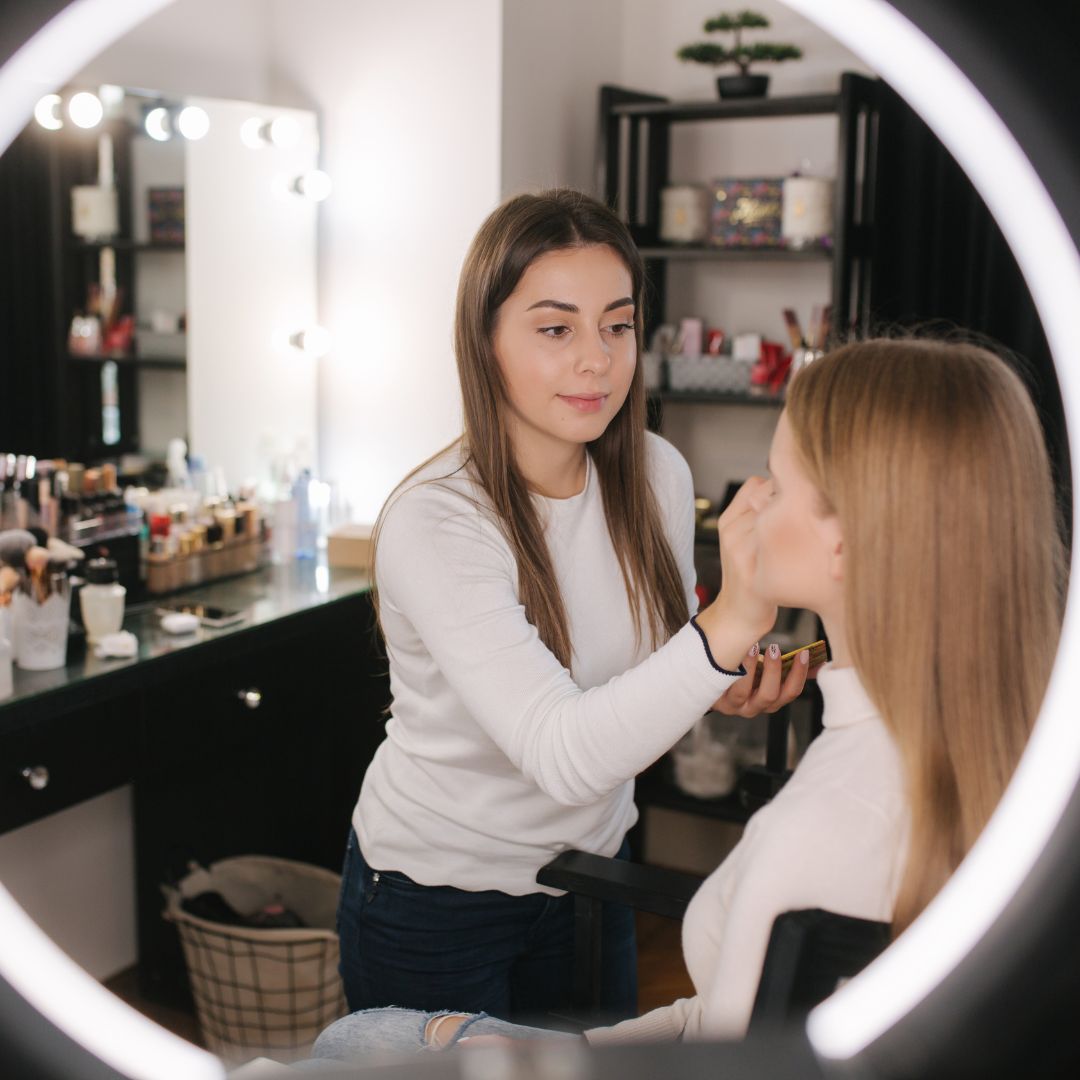
One of the professional standards that distinguishes skilled makeup artists from beginners is the ability to work confidently and skillfully across all skin tones, undertones, and skin types. Canada’s diverse population means you will regularly work with clients spanning the full human range of melanin levels — from the deepest ebony to the palest porcelain. A makeup artist who is competent only on a limited skin tone range is professionally limited in the Canadian market.
Actively seek to practise on a diverse range of volunteer models during your training. Work across warm, cool, and neutral undertones. Study the specific product formulations that work well on deeper skin tones, where foundation undertone matching is particularly critical. Develop an eye for identifying the precise shade and undertone mix that will look natural and seamless on each individual client — this skill is not automatic and requires real, varied practice.
Step 4: Build a Professional Portfolio
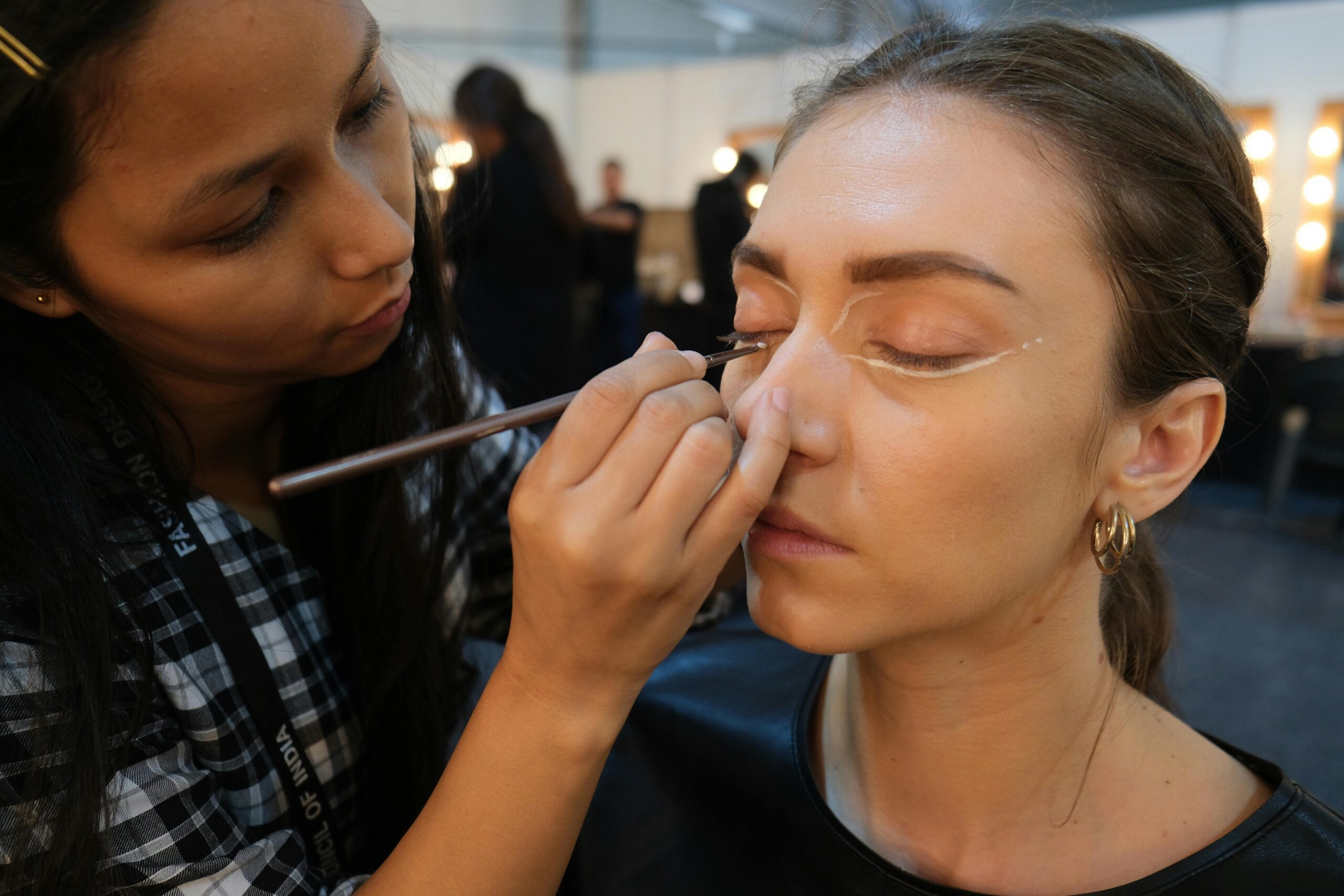
Your portfolio is your primary marketing tool — and it must be impeccable before you begin taking paying clients. A strong makeup artist portfolio shows range: natural everyday looks alongside event and bridal work, demonstrated skill across different skin tones, and the ability to create both classic and current looks. Ideally, it also includes professionally photographed images shot in collaboration with local photographers and models.
Reaching out to aspiring photographers, models, and stylists for collaboration on test shoots — known in the industry as TFP (time for print) or creative collaboration shoots — is how most early-career makeup artists build their portfolio quickly and cost-effectively. Everyone involved benefits from the resulting images; it is one of the most efficient ways to create professional-quality content before your client base is established enough to generate portfolio material organically.
Step 5: Choose Your Specialisation
While building a broad skill base is essential early in your career, most successful makeup artists eventually develop a clear specialisation that defines their brand and drives their marketing. The main specialisations in the Canadian market are bridal and special occasion makeup; film and television makeup; editorial and commercial photography; corporate and events; and special effects (SFX) makeup.
Bridal is the natural starting point for most new MUAs because the demand is consistent, the work is emotionally rewarding, and it does not require industry connections to access. A strong portfolio of bridal work and active Instagram marketing can generate a fully booked wedding season relatively quickly for a motivated practitioner. Film and television is lucrative but access-dependent — union membership, industry connections, and ideally experience as an assistant on productions are the typical entry path.
Step 6: Set Up Your Business Properly
Before taking your first paid booking, ensure your business is properly registered, insured, and operationally ready. Register as a sole proprietor with your provincial government, obtain a professional liability insurance policy, and set up a business bank account separate from your personal finances. Use a professional booking system from the start — Acuity Scheduling, Fresha, and Square Appointments are all popular among Canadian beauty professionals.
Our Makeup Artist course takes you from complete beginner to professional-ready, covering technique, client management, and business launch. For insight into the bridal specialisation, read our bridal makeup artist course guide. And for context on earnings, our makeup artist salary guide covers what you can realistically expect at different career stages.