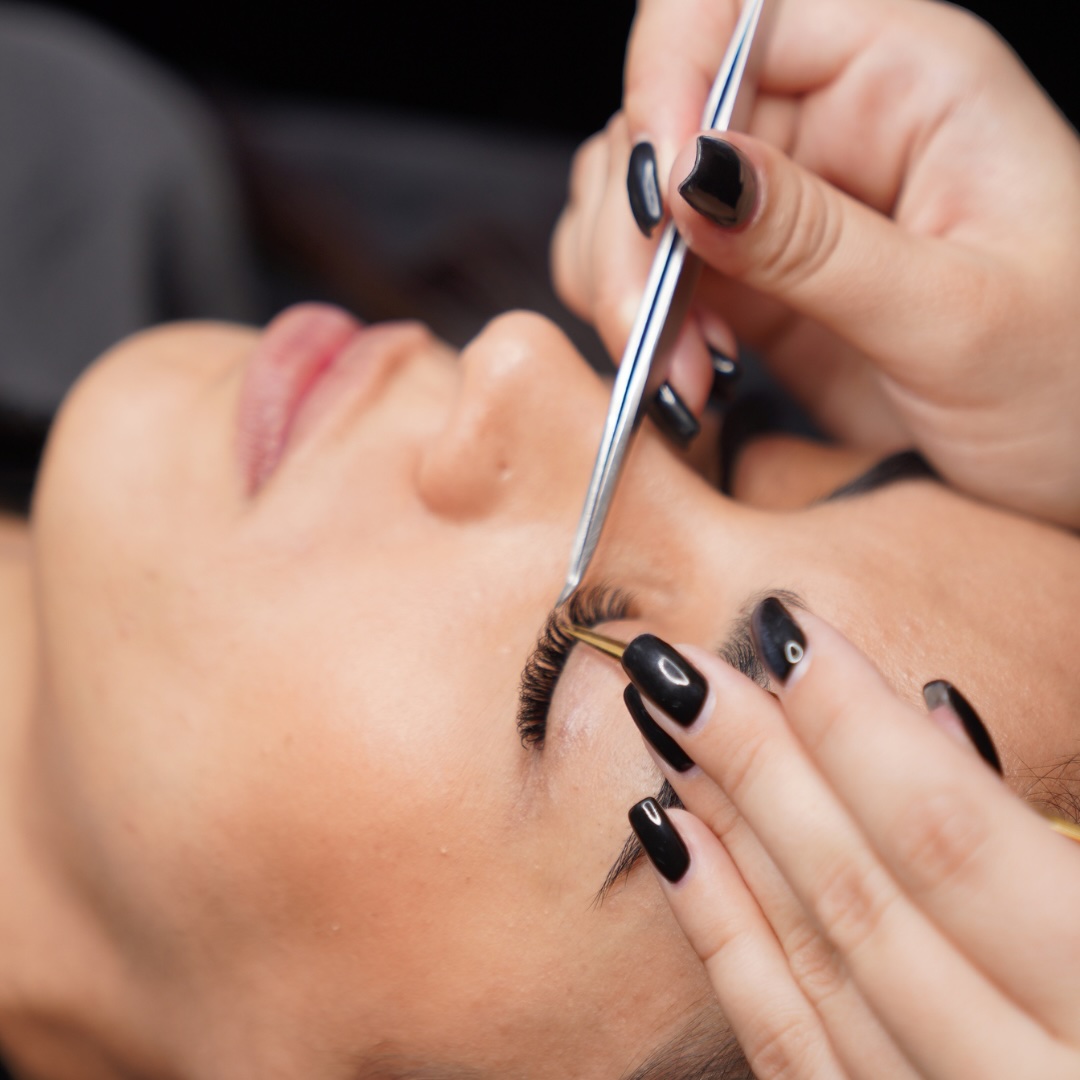
Lash extensions have become one of the most requested beauty services in Canada. Walk into virtually any salon in Toronto, Calgary, or Vancouver and you will find at least one technician offering classic extensions, volume sets, or the increasingly popular hybrid technique. For those considering a career in lashes, an online lash extension course is one of the most accessible ways to get properly trained and certified — without disrupting your existing commitments.
But with so many programs available, how do you know which course is genuinely worth your time and money? This guide breaks down exactly what a lash extension course should cover, how to evaluate your options, and what to expect once you finish.
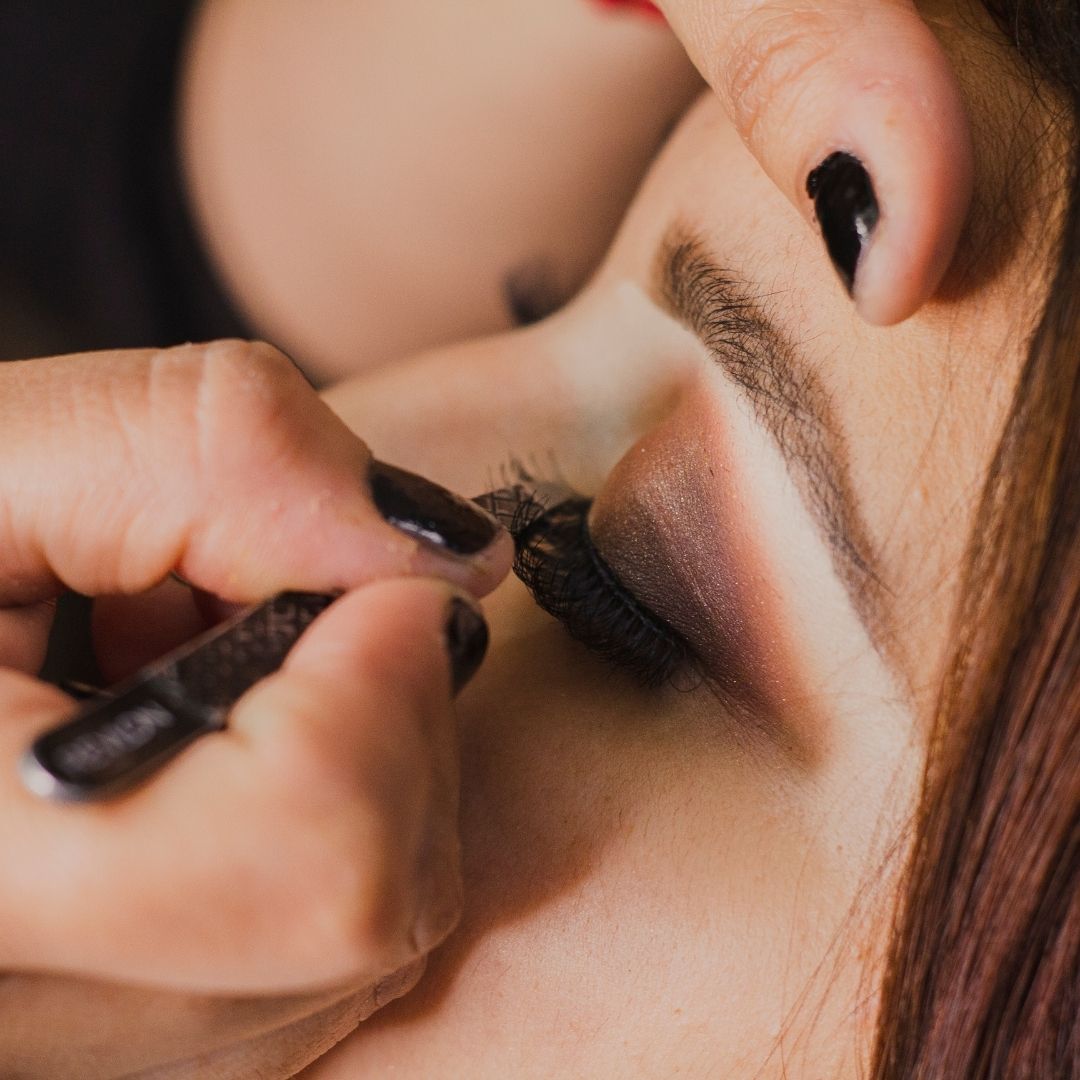
What a Lash Extension Course Should Teach
A quality lash extension course in Canada is far more comprehensive than simply learning to attach synthetic fibres to natural lashes. The best programs are structured to take you from zero to job-ready, covering everything from foundational theory to advanced technique and business skills.
The theoretical component covers lash anatomy in depth — specifically, the three phases of the natural lash growth cycle (anagen, catagen, and telogen) and why understanding this cycle is critical for managing client expectations around retention and refills. You will also learn how to assess eye shape to customise lash mapping for each individual client, and how to identify contraindications such as blepharitis, conjunctivitis, or recent eye surgery that would prevent a safe application.
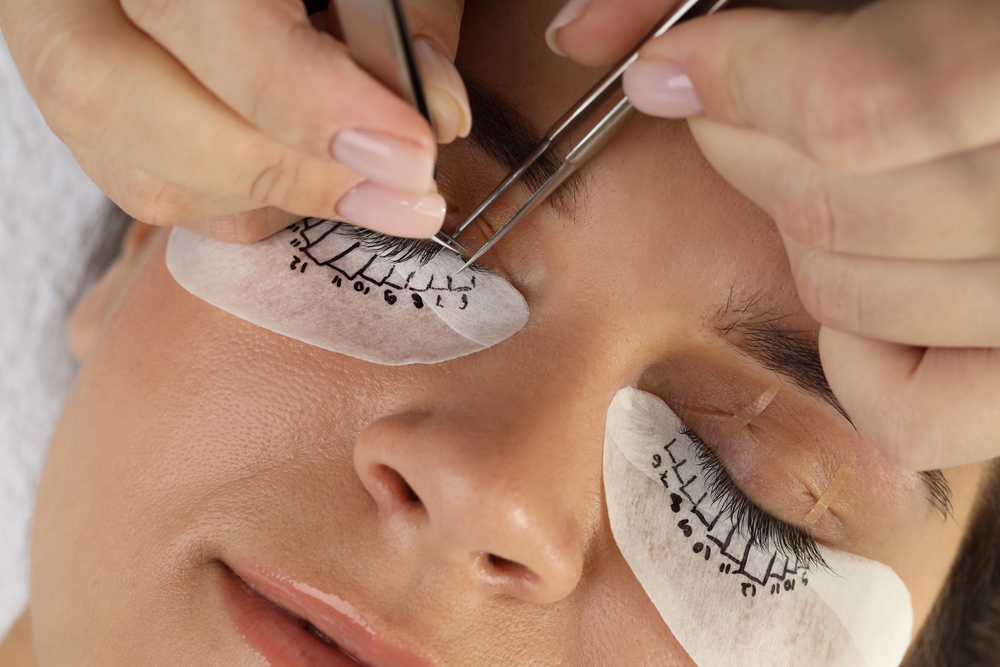
The practical curriculum should include classic application — the industry standard where one extension is applied to one natural lash — as well as Russian volume lashing (hand-made fans of two to six ultra-fine extensions per natural lash) and ideally hybrid lashing, which combines both approaches. Each technique requires different tweezers, fan-making methods, and application speed, so a course covering all three gives you significantly more versatility and earning potential as a practitioner.
Product knowledge is another non-negotiable. A thorough lash extension course explains adhesive properties, the importance of humidity and temperature during application, how to identify low-quality extension fibres, and how to advise clients on aftercare to maximise their retention between appointments.
Business training is the component that most separates strong programs from weak ones. Learning to price your services competitively, manage client consultations, handle refill appointments, and build a brand that attracts consistent bookings is every bit as important as the technical application skills.
Classic, Volume, and Hybrid: Which Techniques Should Your Course Cover?
When choosing a lash extension course, one of the first questions to ask is: which application techniques does it teach?
Classic lash extensions are the foundation of the industry. One extension per natural lash, typically 0.15mm to 0.20mm in diameter, creating a defined, mascara-effect enhancement. Almost every client who wants a natural lift will ask for classics, and any lash extension course should cover this technique thoroughly.
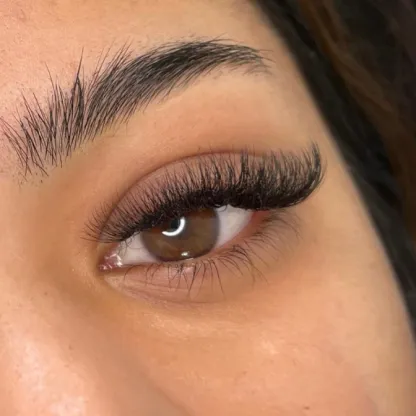
Volume lashing — sometimes called Russian volume — involves applying hand-made fans of very fine extensions (0.03mm to 0.07mm) to each natural lash. The result is a fuller, fluffier look that has become enormously popular across Canada. Volume lashing takes considerably more practice to master, but it also commands noticeably higher service prices than classics.
Hybrid lashes blend classic and volume techniques for a textured, complex look that suits clients who want more than classics but less drama than full volume. As our guide on hybrid lash extensions and why they are Canada’s most popular style explains, hybrid sets have become one of the most-requested services in Canadian salons. A comprehensive course covers all three techniques. A program that only teaches classics will limit your earning potential from the first week you open bookings.
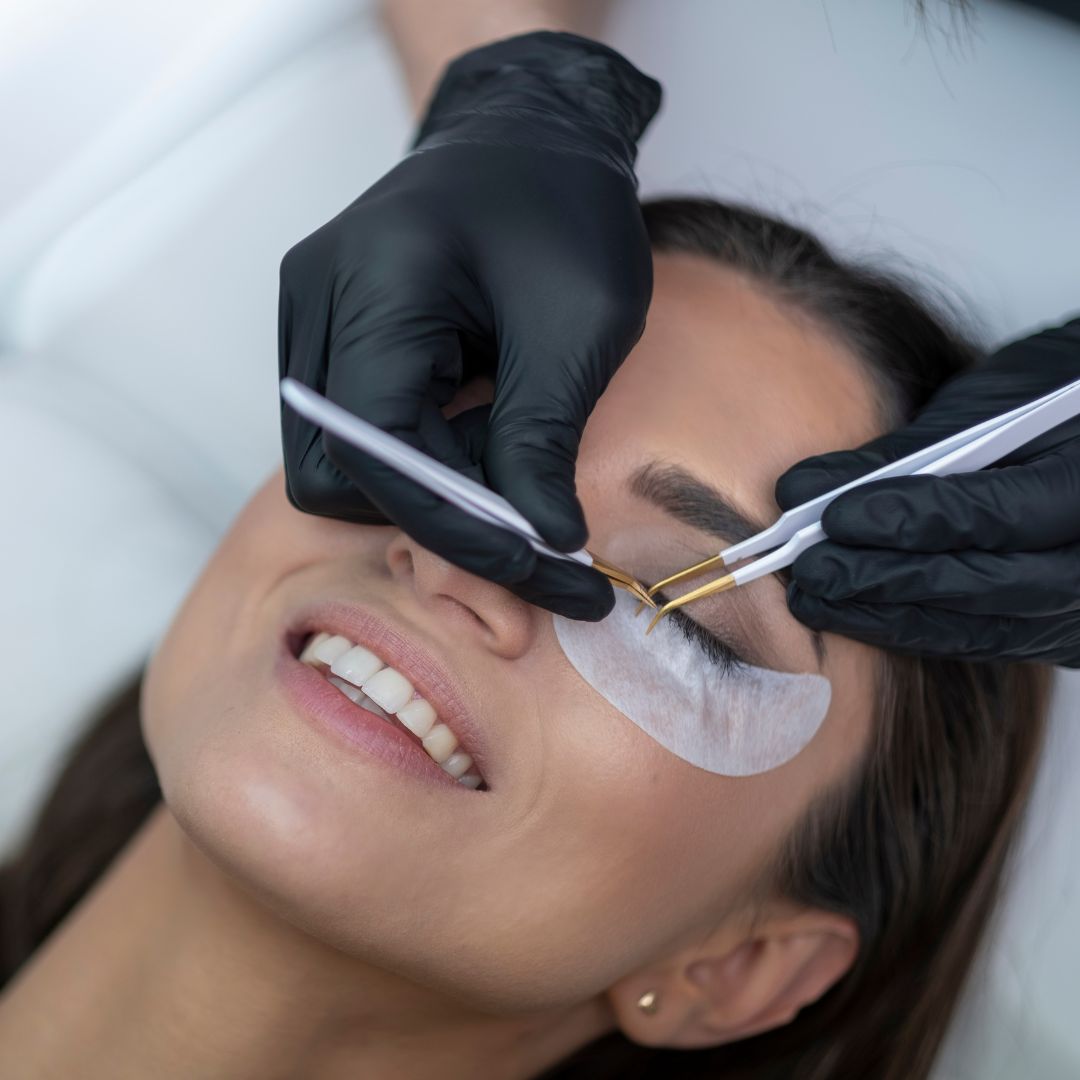
Is Online Lash Extension Training as Effective as In-Person Study?
For most students, yes — provided the online course is well-structured and includes genuine tutor support.
The theoretical component of any lash extension course — anatomy, health and safety, product knowledge, consultation skills — is perfectly suited to online delivery. Video demonstrations allow you to pause, rewind, and review techniques as many times as you need, something that is simply not possible in a live classroom environment. The practical component requires dedicated self-directed practice time, which your included kit supports from day one.
The single most important differentiator between strong and weak online programs is the feedback mechanism. A course where you watch videos but have no one reviewing your technique, identifying errors in your application photos, or answering questions about adhesive behaviour is not comparable to a course with experienced lash professionals providing real, personalised guidance throughout your training.
Look for programs that offer tutor access at least five to six days per week, with clear response time commitments. This support makes the difference between a student who graduates confident and job-ready, and one who finishes with a certificate but significant self-doubt about their practical ability.
What Can You Earn After a Lash Extension Course?
Earnings for lash technicians in Canada vary depending on location, business model, and specialisation. Employed lash technicians in Canadian salons typically earn between $35,000 and $55,000 annually at entry level, with experienced specialists in busy city locations earning considerably more.
Self-employed lash technicians have a considerably higher income ceiling. A full-time lash tech operating in an urban market, offering classic, volume, and hybrid sets, running a consistently full schedule, can earn $60,000 to $90,000 annually. Those who build a premium brand can exceed $100,000 in major markets. According to Indeed Canada, lash technician earnings trend upward meaningfully with both experience and location, with Toronto, Vancouver, and Calgary consistently showing higher average rates than smaller markets.
The earning potential improves directly with specialisation. Volume and mega volume sets command the highest prices in any market. Technicians who offer only classic extensions are leaving a significant share of available revenue on the table. A well-rounded skill set translates directly to a broader service menu and a higher average booking value.
Starting Your Lash Extension Business After Training
Many graduates of an online lash extension course move straight into self-employment. The barriers to entry are relatively low compared to other beauty specialisations: you do not need commercial premises, your startup kit is modest, and demand for lash services is reliably strong across Canada.
Build your portfolio before taking paying clients. Practise extensively on volunteer models — friends, family, or people recruited through social media who are happy to receive free or discounted treatments in exchange for photographs. Your first fifteen to twenty sets form the foundation of your marketing, so invest in them seriously even if they take longer than a professional set would.
Your consultation process protects both you and your clients from day one. Every new client should complete a health questionnaire covering allergies, eye conditions, contact lens use, and previous reactions to lash adhesives. Document this information and keep records for each client. This is not just professional best practice — it is essential for operating safely.
For a complete breakdown of how to build your lash business from the ground up — including pricing, marketing, and client retention — read our guide on how to start a lash business from home. And to explore the full range of online lash programs available, visit our online lash courses page.